Why blocked toilets become emergencies: what you need to know
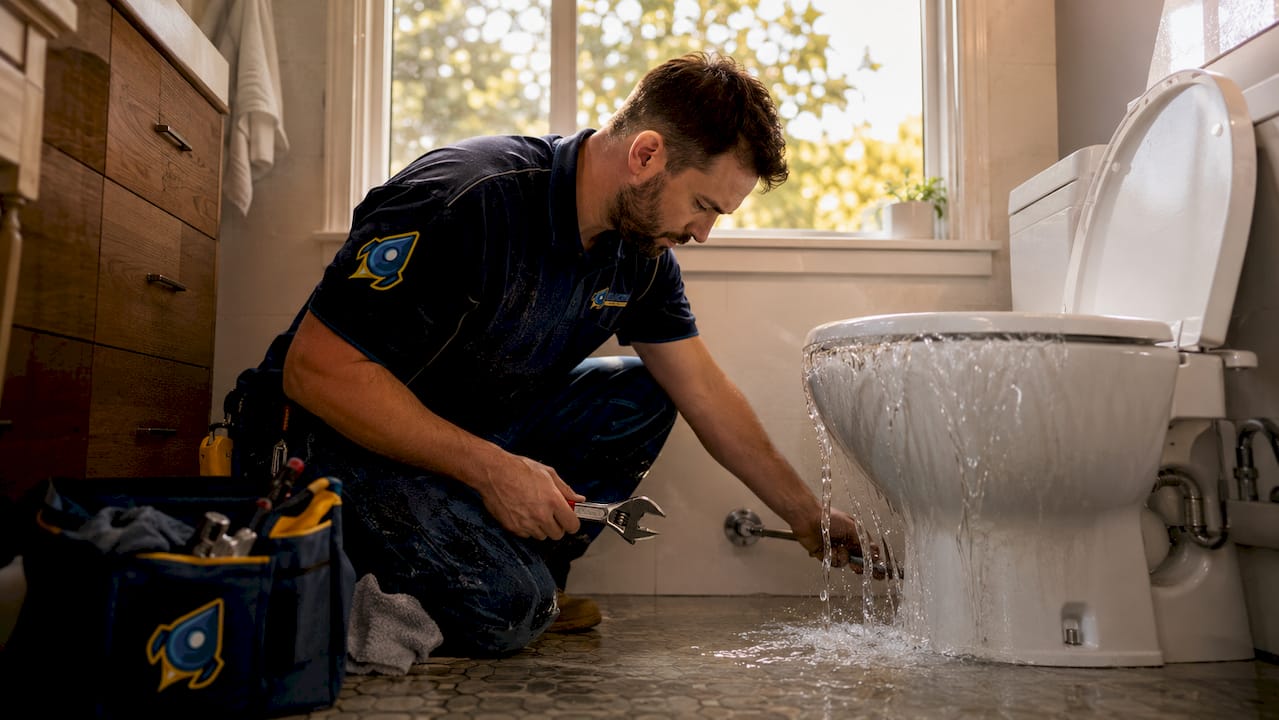
A blocked toilet becomes a plumbing emergency the moment it causes uncontrollable flooding, sewage backs up into your living areas, or multiple fixtures stop draining at once. These are not signs of a simple clog. They signal a serious failure somewhere in your drainage system. Understanding why blocked toilets become emergencies, and what to do about them, can save you thousands of dollars in repairs and protect your family’s health. This article walks you through the causes, warning signs, risks, and the right steps to take when a blocked toilet stops being an inconvenience and starts being a crisis.
Why do blocked toilets become emergencies?
A blocked toilet is classified as an emergency when active flooding cannot be stopped by closing the isolation valve, sewage backs up into living areas, or multiple fixtures are blocked at the same time. That last point matters most. When your toilet, shower, and kitchen sink all back up together, the problem is not in the toilet itself. It is in the main sewer line, and that requires professional intervention immediately.
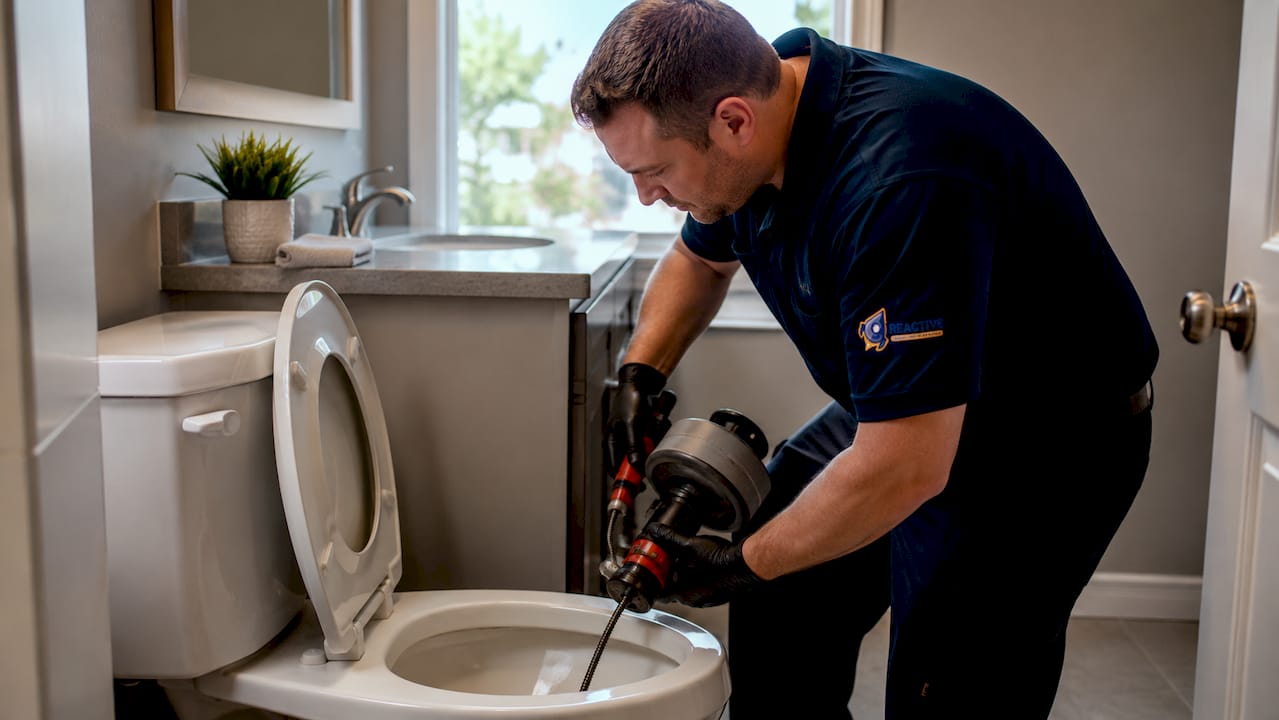
The industry term for this situation is a sewer line failure or main drain blockage. It is different from a localised toilet clog, which is typically caused by too much toilet paper or a foreign object lodged near the pan. A main drain blockage affects the entire drainage system in your home, and sometimes neighbouring properties too if you share a drainage line.
Emergency plumbing call-outs cost significantly more than standard repairs. Delaying non-emergencies can save you considerably on labour costs, but waiting too long on a genuine emergency will cost you far more in structural damage and remediation. Knowing the difference is the most valuable thing you can take from this article.
What causes a toilet blockage to turn into an emergency?
Most toilet blockages start small and escalate because of what gets flushed, the condition of the pipes, or a failure deeper in the drainage system.
- “Flushable” wipes. These are the single most common culprit we see. Flushable wipes cause recurring severe blockages by snagging inside pipes, especially in older systems. Unlike toilet paper, they do not break down in water. Over time, they build up into a dense mass that no plunger will shift. Professional hydro-jetting is usually required to clear them properly.
- Non-degradable items. Cotton buds, sanitary products, nappy liners, and paper towels all behave the same way inside a pipe. They catch on rough pipe walls and accumulate.
- Tree root intrusion. Roots follow moisture and can crack or penetrate clay pipes and older PVC lines. Once inside, they create a net that catches everything passing through.
- Scale and pipe roughness. Older properties with clay or ageing pipes are prone to limescale buildup, which narrows the pipe bore and makes blockages far more likely.
- Shared drainage systems. In terraces, units, and older suburban homes, shared drainage lines mean a blockage in one property can affect multiple fixtures across several homes. This complicates diagnosis and always requires a licensed plumber.
Pro Tip: Never use chemical drain cleaners on a blocked toilet. In older pipes, these products corrode the pipe walls and worsen the underlying problem without clearing the actual blockage.
What are the warning signs of a toilet emergency?
Recognising a genuine emergency early gives you time to act before serious damage sets in. These are the signs that tell you a blockage has moved beyond a simple fix.
- Active overflow. Water or sewage is spilling onto the floor and will not stop even after you close the isolation valve behind the toilet. This is the clearest sign of an emergency.
- Sewage smell or raw sewage backup. If you can smell sewage gas inside your home, or raw sewage is appearing in your shower or bath, the main sewer line is compromised.
- Multiple fixtures backing up at once. When your toilet, bathroom sink, and shower all drain slowly or back up together, the blockage is in the main line, not the toilet itself.
- Water level rising after isolation. If the water level in the bowl keeps rising even after you have closed the isolation valve, there is pressure building from a deeper blockage.
- Repeated blockages returning quickly. Recurring minor clogs, gurgling noises, or slow drains are early warning signs of a deeper problem. If your toilet blocks again within days of being cleared, the root cause has not been fixed.
Homeowners frequently miss early warning signs like gurgling drains or slow drainage. By the time a toilet overflows, the underlying problem has usually been developing for weeks or months.
A plumbing emergency preparedness checklist can help you know exactly where your isolation valves are before a crisis hits. Finding them in a panic wastes critical time.
What are the risks of ignoring a blocked toilet emergency?
Delaying action on a genuine toilet emergency creates damage that compounds quickly. The risks fall into three categories: health, structure, and cost.
Health hazards. Sewage contains harmful bacteria, pathogens, and viruses. Direct contact or even exposure to sewage gas inside your home poses serious health risks, particularly for children, elderly residents, and anyone with a compromised immune system. This is not a situation where you can wait until Monday morning.
Structural damage. Moisture saturating floors and walls causes mould growth within 24–48 hours. After 48 hours, structural damage can become permanent. Subfloor timbers, wall cavities, and even foundations can be affected if overflow spreads contamination through the building. Remediation at that stage costs far more than the original plumbing repair.
| Risk category | What happens | Timeline |
|---|---|---|
| Mould growth | Spores establish in wet materials | Within 24–48 hours |
| Structural damage | Subfloor and wall cavity damage | After 48 hours |
| Health exposure | Bacterial and pathogen contact | Immediate |
| Cost escalation | Remediation added to repair costs | Ongoing from hour one |
Cost. Emergency call-out costs are already higher than standard repairs. Add mould remediation, flooring replacement, and potential structural repairs, and the bill grows fast. Acting within the first hour of an overflow is always cheaper than acting the next day.
What should you do during a blocked toilet emergency?
The right response in the first few minutes limits damage significantly. Follow these steps in order.
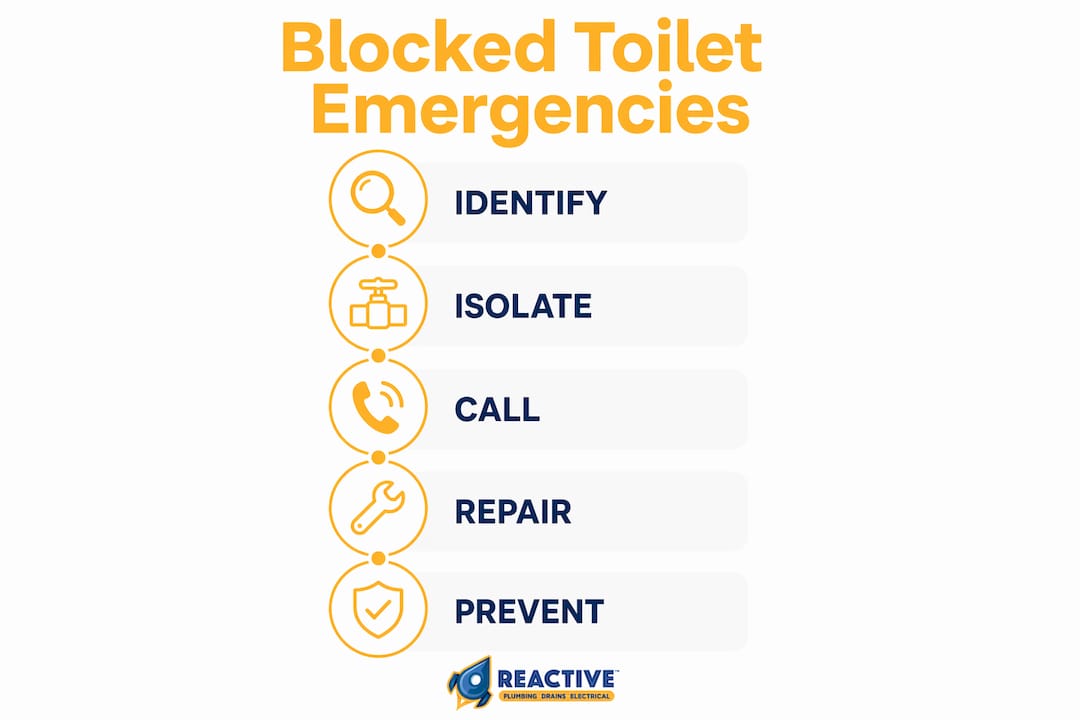
- Close the isolation valve. The isolation valve is the small tap located on the water supply pipe behind or beneath the toilet. Turn it clockwise to stop water flowing into the cistern. If you cannot find it or it does not work, shut off the main water supply to the house immediately.
- Do not flush again. This is the most common mistake homeowners make. A second flush pushes more water into an already blocked system and worsens the overflow.
- Contain the water. Use towels, buckets, or plastic sheeting to stop water spreading to other rooms. The further it spreads, the more flooring and wall material is at risk.
- Ventilate the area. Open windows and doors to reduce sewage gas concentration inside the home.
- Call a licensed plumber immediately. If the overflow cannot be contained, or if multiple fixtures are affected, this is a priority plumbing repair that requires professional equipment to diagnose and fix safely.
Pro Tip: Avoid aggressive plunging when you suspect a main sewer line blockage. Repeated plunging against a deep blockage can compact waste further into the main line, making professional extraction harder and more expensive.
If you are unsure whether your situation qualifies as an emergency, read our guide on what is a plumbing emergency before deciding to wait.
How do you prevent toilet blockages from escalating?
Prevention is far less stressful and far cheaper than emergency response. These habits and maintenance steps reduce your risk significantly.
- Flush only toilet paper. Nothing else belongs in the toilet. Not wipes labelled “flushable,” not cotton pads, not tissues. If it is not toilet paper, it goes in the bin.
- Watch for early warning signs. Slow drainage, gurgling sounds after flushing, or a toilet that needs multiple flushes are all signals worth investigating before they become urgent plumbing problems.
- Schedule regular plumbing inspections. A licensed plumber can run a CCTV camera through your drain lines to spot tree root intrusion, scale buildup, or pipe damage before it causes a blockage. This is especially important in homes more than 20 years old.
- Consider pipe relining for older homes. Homes with clay pipes or ageing PVC are at higher risk of recurring blockages. Pipe relining creates a new pipe surface inside the existing one, eliminating rough walls and root entry points without digging up your yard.
- Avoid harsh chemical cleaners. These products damage pipe walls over time, particularly in older systems, and rarely fix the actual blockage.
- Use a home plumbing maintenance checklist to stay on top of routine checks throughout the year.
Key takeaways
A blocked toilet becomes a genuine emergency when overflow cannot be contained, sewage enters living areas, or multiple fixtures fail simultaneously, requiring immediate professional response to prevent lasting health and structural damage.
| Point | Details |
|---|---|
| Emergency definition | Uncontrollable overflow, sewage backup, or multiple blocked fixtures signal a main line failure. |
| Act within 48 hours | Mould growth begins within 24–48 hours; structural damage becomes permanent after that window. |
| Do not flush again | A second flush worsens overflow and compacts blockages deeper into the sewer line. |
| Prevention saves money | Regular CCTV inspections and pipe relining reduce the risk of recurring emergency blockages. |
| Call a licensed plumber | DIY plunging against a deep blockage makes professional extraction harder and more expensive. |
What I have seen after years on the tools
When homeowners call us after a toilet emergency, the story is almost always the same. They noticed the toilet draining slowly for a week or two. They plunged it a few times and it seemed fine. Then one morning it overflowed and they could not stop it.
The slow drain was the warning. The plunging bought time but did not fix anything. And by the time we arrived, the water had been sitting under the vinyl for hours.
What surprises most people is how quickly a manageable situation becomes an expensive one. The plumbing repair itself is often straightforward. The mould remediation and flooring replacement that follow are not. I have seen a $400 drain clearing job turn into a $6,000 remediation because the homeowner waited two days before calling.
The other thing I want to be direct about: not every blocked toilet is an emergency. If you can close the isolation valve, stop the overflow, and the blockage is clearly localised to one fixture, you have time to book a standard appointment. Knowing when to call a licensed plumber versus attempting a DIY fix is genuinely useful knowledge. But when sewage is on your floor and multiple drains are backing up, do not wait. Call immediately.
— Brent
Reactive Plumbing & Electrical: here when it matters most
A blocked toilet that overflows or backs up sewage into your home needs a licensed professional, not a plunger and a prayer.
Reactive Plumbing & Electrical provides 24/7 emergency plumbing services across Sydney, Newcastle, Wollongong, Brisbane, Ipswich, and the Gold Coast. Our licensed plumbers carry the equipment needed to diagnose and clear blockages fast, including CCTV drain cameras and hydro-jetting gear. For homes with recurring blockages caused by ageing pipes or tree root intrusion, we also offer pipe relining solutions that fix the underlying problem without digging up your yard. Contact Reactive Plumbing & Electrical today for fast, reliable help when you need it most.
FAQ
When does a blocked toilet become a plumbing emergency?
A blocked toilet becomes an emergency when active overflow cannot be stopped by the isolation valve, sewage backs up into living areas, or multiple fixtures block simultaneously. These signs indicate a main sewer line failure rather than a simple localised clog.
How quickly does water damage occur after a toilet overflow?
Mould growth begins within 24–48 hours of moisture exposure, and structural damage to subfloors and wall cavities can become permanent after 48 hours. Acting within the first hour of an overflow significantly reduces repair costs.
Should I keep plunging a blocked toilet?
Stop plunging if multiple fixtures are backing up or the blockage keeps returning. Repeated plunging against a deep blockage compacts waste further into the main sewer line, making professional extraction harder and more expensive.
What should I never flush down a toilet?
Never flush wipes (including those labelled “flushable”), sanitary products, cotton buds, nappy liners, or paper towels. These items do not break down in water and are the leading cause of severe recurring blockages in residential drainage systems.
Can I use chemical drain cleaners on a blocked toilet?
Chemical drain cleaners are not recommended for blocked toilets. In older clay or PVC pipes, these products corrode pipe walls and worsen damage without clearing the actual blockage. A licensed plumber using hydro-jetting or a drain snake is a safer and more effective solution.