Types of residential drain blockages: 2026 homeowner guide
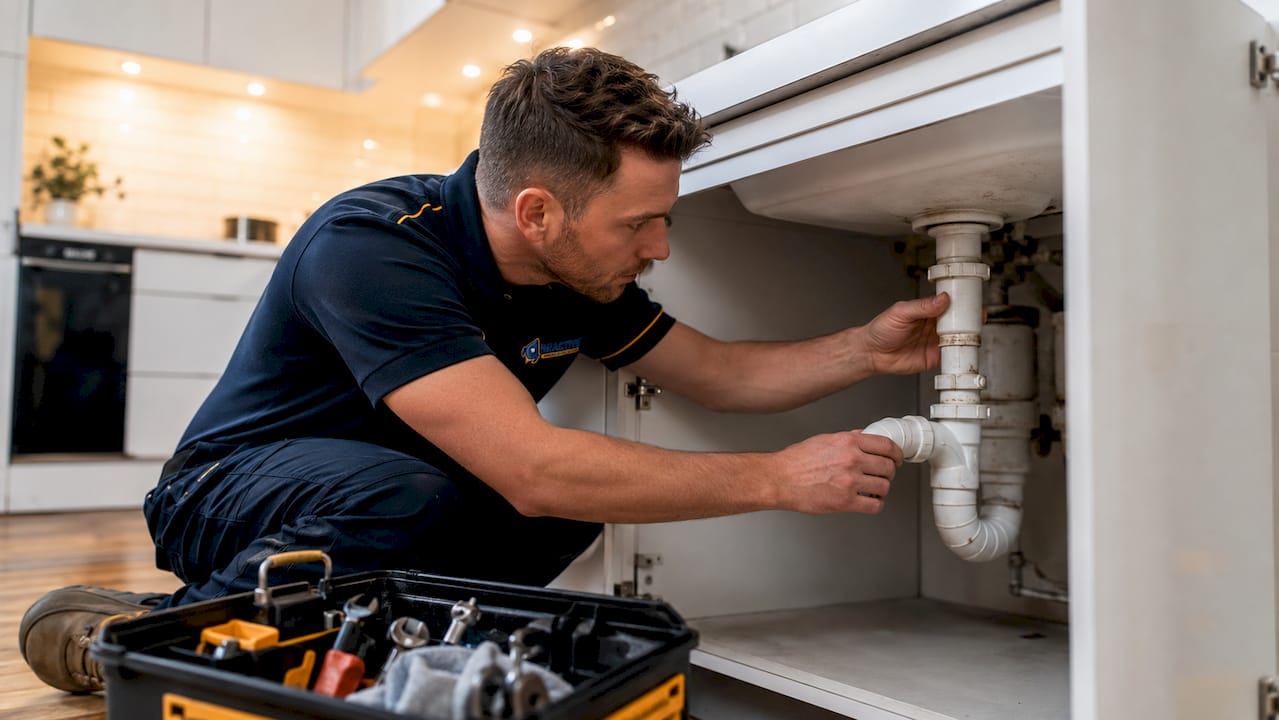
Residential drain blockages are defined as material or structural obstructions inside household drainage pipes that restrict or stop water flow. The most common types of residential drain blockages include hair accumulation, fats, oils and grease (FOG), mineral scale, tree root intrusion, and foreign objects. Each type behaves differently inside your pipes and requires a different fix. Slow drainage, gurgling sounds, foul odours, or water backup are the earliest warning signs that something is wrong. Catching a blockage early saves you from a far more expensive emergency repair down the track.
1. What are the most common types of residential drain blockages in bathrooms?
Hair is the number one cause of bathroom drain clogs. It collects at P-traps and pipe bends, tangling into dense mats that trap soap residue and slow water to a trickle.
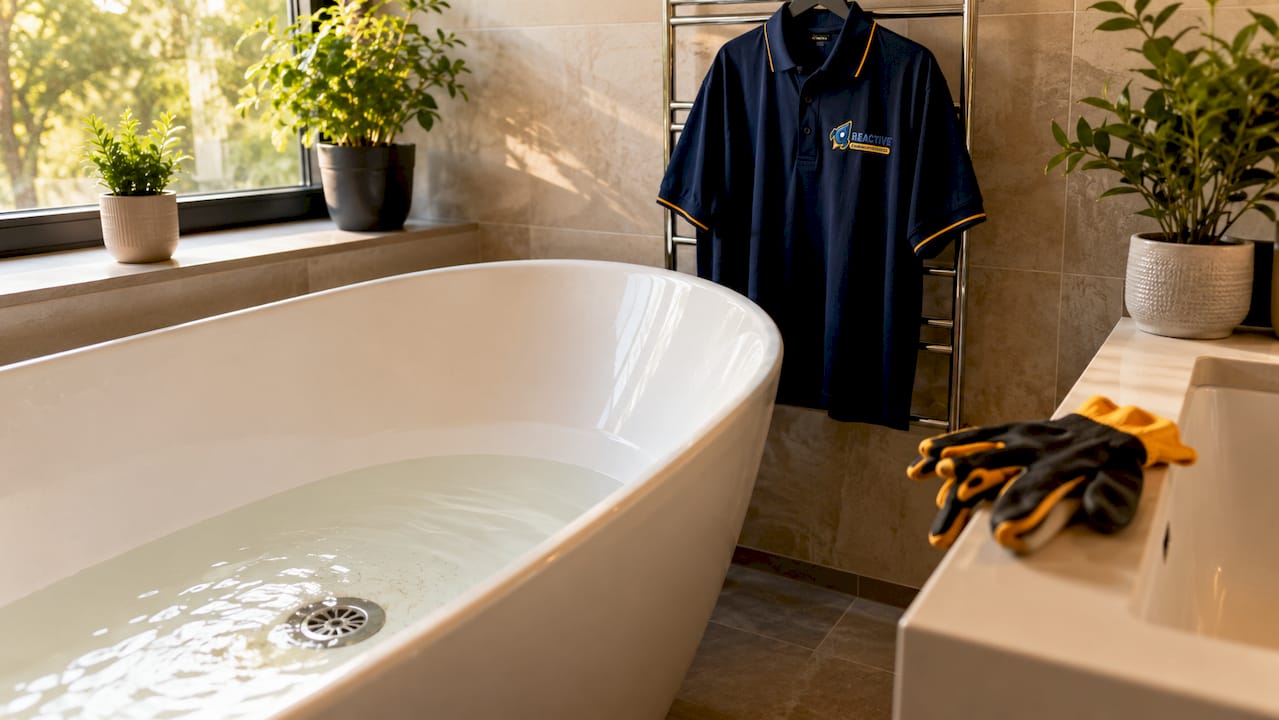
Soap scum makes the problem worse. It leaves a sticky film on pipe walls that narrows the internal diameter over time. Combined with hair, it creates a blockage that builds gradually until the drain stops working altogether.
Chemical cleaners are a tempting first response, but alkaline cleaners above pH 12 only partially dissolve hair. They leave behind a residue and can accelerate joint deterioration in older pipes. Mechanical removal with a drain snake or a simple hand tool is the most reliable fix for hair blockages.
Signs your bathroom drain is blocked include:
- Water pooling in the shower or bath during use
- A sink that drains slowly even after cleaning the plug hole
- Gurgling sounds after the water drains
- A faint sulphur or mildew smell near the drain
Pro Tip: Fit a mesh drain strainer over every bathroom drain. Clean it weekly. This single habit prevents the majority of hair blockages before they start.
2. How fat, oils, and grease cause kitchen drain blockages
FOG (fats, oils, and grease) is the leading cause of kitchen drain blockages. It enters your pipes as a warm liquid but solidifies below 20°C, sticking to pipe walls and trapping food debris with every subsequent wash.
The build-up is progressive. Each time you rinse a greasy pan, another thin layer coats the inside of the pipe. Over weeks and months, that layer thickens until water can barely pass. FOG is also a major cause of municipal sewer overflows, which means the problem extends well beyond your kitchen.
The most common mistakes that lead to kitchen clogs include:
- Pouring cooking oil or pan drippings down the sink
- Running hot water while rinsing greasy dishes (this delays solidification but does not prevent it)
- Disposing of dairy products, sauces, or butter down the drain
- Using liquid dish soap as a substitute for proper grease disposal
The right approach is to collect cooled cooking fat in a container and dispose of it in the bin. For households that cook frequently, a grease interceptor fitted under the sink traps FOG before it reaches the main drain line. If you are already dealing with a stubborn kitchen clog, our guide on clearing a blocked kitchen drain walks through the practical steps.
3. What structural and external factors cause serious sewer line blockages?
Structural blockages are the most serious category of residential plumbing problems. They are not caused by what you put down the drain. They are caused by what is happening to the pipes themselves.
Tree root intrusion is the leading cause of main sewer line blockages, particularly in older homes with earthenware or clay pipes. Roots follow moisture and enter through hairline cracks or loose joints. Once inside, they expand to fill the entire pipe bore, causing a complete blockage.
Mineral scale is the second major structural cause. Hard water above 120 mg/L calcium carbonate deposits scale on pipe walls, gradually narrowing the internal diameter. The flow slows, debris catches more easily, and recurring blockages follow.
Other structural issues include:
- Pipe belly: a sagging section of pipe where water and debris pool
- Joint misalignment: offset pipe connections that catch debris and restrict flow
- Collapsed pipe sections: common in older homes where pipes have deteriorated over decades
| Structural cause | How it presents | Recommended diagnosis |
|---|---|---|
| Tree root intrusion | Complete or recurring blockage in main line | CCTV inspection |
| Mineral scale | Slow flow across multiple fixtures | CCTV inspection, water hardness test |
| Pipe belly | Recurring blockage in same location | CCTV inspection |
| Joint misalignment | Intermittent blockages, debris catch | CCTV inspection |
| Collapsed pipe | Sudden complete blockage | CCTV inspection, urgent repair |
Recurring blockages almost always signal an underlying structural defect. Clearing the blockage without diagnosing the cause means it will return. A CCTV inspection (where a small camera is fed through the pipe) reveals exactly what is happening inside without any digging.
Pro Tip: Book a CCTV drain inspection every three to five years if your home is more than 20 years old or has large trees near the sewer line. Catching root intrusion early is far cheaper than dealing with a collapsed pipe.
4. Which foreign objects and habits cause unusual or recurring blockages?
Foreign object blockages are almost entirely preventable. They happen when items that should go in the bin end up in the drain or toilet instead.
The biggest offender is so-called “flushable” wipes. No universal standard for flushability exists, and most wipes do not break down in residential pipes. They snag on pipe imperfections and act as a net, catching other debris until a full blockage forms. In severe cases, wipes combine with FOG to create what plumbers call a fatberg, which requires professional high-pressure jetting to clear.
Common foreign objects that cause residential blockages include:
- Hygiene products (sanitary pads, cotton buds, dental floss)
- Children’s toys or small household items dropped into toilets
- Food scraps, coffee grounds, and eggshells washed down the kitchen sink
- Paper towels and tissues flushed instead of toilet paper
The rule for toilets is simple: only flush the Three Ps. Pee, poop, and paper. Everything else belongs in the bin.
Chemical cleaners cannot resolve a physical blockage. If a foreign object is lodged in the pipe, no amount of drain cleaner will shift it. Signs that a foreign object is the cause include a sudden complete blockage (rather than a gradual slowdown), water backing up immediately, and no improvement after basic clearing attempts. In these cases, professional retrieval is the only reliable fix. Knowing when to call a licensed plumber rather than attempting DIY saves time and prevents pipe damage.
5. What are the signs of a drain blockage you should never ignore?
Early signs of a blockage are easy to dismiss, but acting on them quickly prevents a minor inconvenience from becoming a costly repair.
Slow drainage is the most common first sign. If your sink, shower, or bath takes noticeably longer to empty than it used to, a partial blockage is already forming. Gurgling sounds from the drain after water has passed through indicate air being displaced by a partial obstruction. Foul odours, particularly a rotten egg or sewage smell, suggest organic matter is decomposing inside the pipe.
Water backup is the most serious sign. If water rises in a toilet when you run the kitchen tap, or backs up into the shower when the washing machine drains, the blockage is in the main sewer line rather than a single fixture. This requires immediate professional attention. Understanding how emergency drain clearing works helps you know what to expect when you call for help.
6. How to prevent drain blockages before they start
Prevention is far less expensive than repair. Using strainers, disposing of grease correctly, and scheduling regular inspections are the three habits that reduce blockage risk most effectively.
Strainers belong on every drain in the house, not just the kitchen. A simple mesh cover over the shower, bath, and laundry tub catches hair, lint, and debris before it enters the pipe. Clean strainers weekly rather than waiting until they are visibly clogged.
Grease disposal is a kitchen discipline. Keep a jar or tin near the stove for cooled cooking fat. Wipe greasy pans with a paper towel before washing. Run cold water rather than hot when rinsing dishes, since cold water keeps any residual fat solid and easier for the pipe to carry rather than coating the walls.
Many blockages stem from improper disposal habits rather than pipe age alone. This means most residential plumbing problems are within your control. Regular professional inspections catch the problems that habits cannot prevent, such as root intrusion and scale build-up, before they become emergencies. Exploring drain cleaning methods that licensed plumbers use gives you a clear picture of what professional maintenance actually involves.
Key takeaways
Identifying the specific type of drain blockage is the most important step, because debris blockages and structural blockages require completely different solutions.
| Point | Details |
|---|---|
| Hair and soap scum | Use mesh strainers and mechanical removal; chemical cleaners only partially work. |
| FOG blockages | Dispose of cooking fat in the bin; never pour grease down the kitchen sink. |
| Structural causes | Tree roots, mineral scale, and pipe collapse require CCTV diagnosis before repair. |
| Foreign objects | Only flush the Three Ps; wipes and hygiene products cause serious blockages. |
| Early warning signs | Act on slow drainage and gurgling sounds before they become full blockages. |
What I have learned after years of diagnosing blocked drains
After working with homeowners across Sydney, Brisbane, and the Gold Coast, the pattern I see most often is this: the blockage that finally causes a call-out has been building for months. The slow drain that “sorts itself out” rarely does. It just gets worse slowly enough that you stop noticing.
The thing that surprises most homeowners is how often chemical cleaners make the situation worse. A high-pH drain cleaner poured into an older pipe does not just dissolve the clog. It can soften the pipe joints and leave a residue that catches the next round of debris faster. I have seen pipes that were in reasonable condition deteriorate noticeably after repeated chemical treatments. Mechanical clearing or professional jetting is almost always the better call.
The other thing I would push back on is the idea that a cleared drain is a fixed drain. Drain cleaning resolves the symptom, not necessarily the cause. If your drain blocks every six months in the same spot, that is a structural problem. A CCTV inspection will show you exactly what is happening inside the pipe, whether it is a root, a belly, or a collapsed section. Spending a few hundred dollars on a proper diagnosis is almost always cheaper than the third or fourth call-out for the same blockage.
My honest advice: treat your drains the way you treat your car. Regular maintenance, sensible habits, and a professional check when something does not seem right. The homeowners who call us in a panic are almost always the ones who ignored the early signs.
— Brent
Pipe relining: a lasting fix for structural drain blockages
When a CCTV inspection reveals root intrusion, a collapsed section, or significant scale build-up, clearing the blockage is only half the job. The pipe itself needs repair.
Reactive Plumbing & Electrical specialises in pipe relining, a no-dig method that inserts a resin-coated liner into the damaged pipe and cures it in place. The result is a new pipe inside the old one, without excavating your garden or driveway. It is suited to root intrusion, joint misalignment, pipe belly, and scale-damaged pipes. The benefits of pipe relining over traditional replacement include lower cost, faster completion, and no structural damage to your property. If you are dealing with a recurring blockage or have an older home with ageing sewer lines, contact Reactive Plumbing & Electrical for a CCTV assessment and an honest recommendation.
FAQ
What are the most common types of residential drain blockages?
The most common types are hair accumulation, fats, oils and grease (FOG), mineral scale, tree root intrusion, and foreign objects such as wipes and hygiene products. Each type requires a different clearing method.
Can I use chemical drain cleaners to fix any blockage?
Chemical cleaners only partially dissolve hair and cannot shift physical blockages caused by foreign objects or structural issues. Repeated use of high-pH cleaners can also damage older pipes.
How do I know if my blockage is structural or debris-related?
Recurring blockages in the same location, or blockages affecting multiple fixtures at once, usually indicate a structural problem such as root intrusion or a collapsed pipe. A CCTV inspection provides a definitive diagnosis.
What is the Three Ps rule for toilets?
The Three Ps rule means only flushing pee, poop, and paper down the toilet. All other items, including wipes labelled “flushable,” should go in the bin to prevent blockages.
When should I call a licensed plumber for a blocked drain?
Call a licensed plumber if the drain is completely blocked, water is backing up into multiple fixtures, or the blockage returns within a few weeks of clearing. These are signs of a problem that DIY methods cannot resolve.