Roof plumbing emergency: what it is and what to do
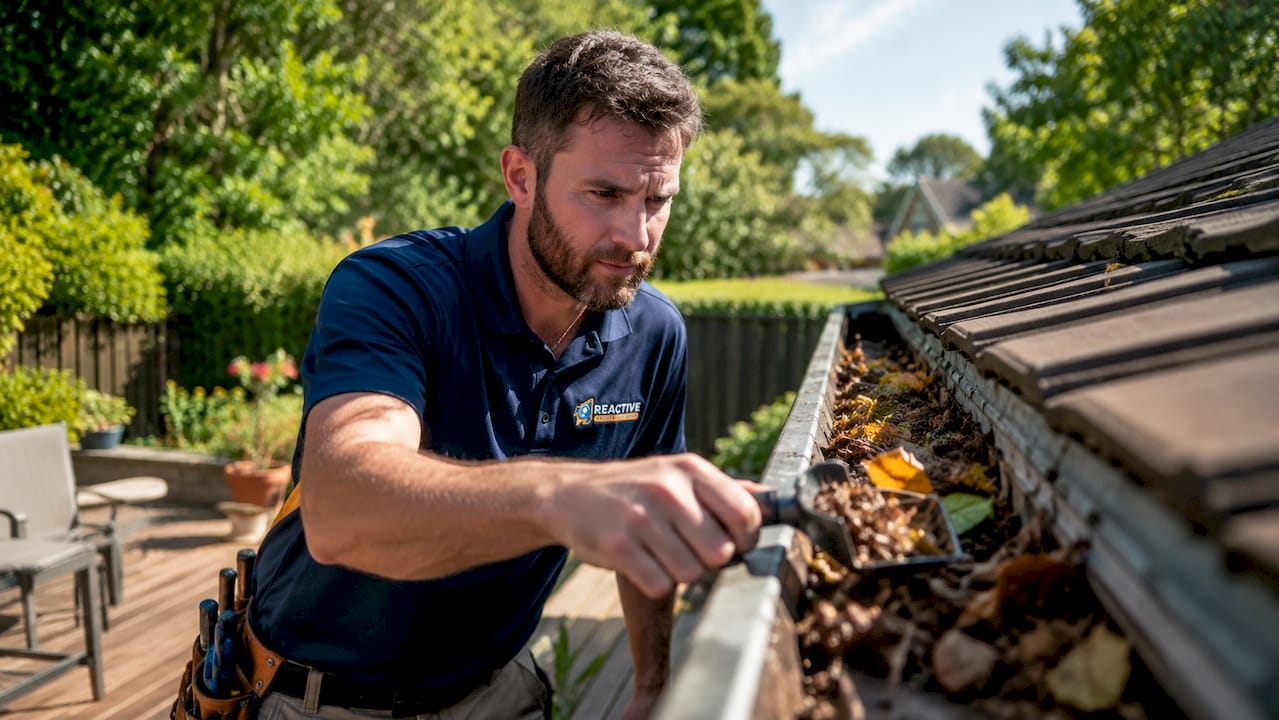
A roof plumbing emergency is any urgent failure in your roof’s drainage system, including gutters, downpipes, flashings, or roof penetrations, that causes active water ingress or poses an immediate structural or safety risk. The industry term is “roof drainage emergency,” and it covers far more than a simple drip. Mould can begin growing within 24–48 hours of sustained moisture exposure, which means the window for safe, cost-effective action is narrow. If water is streaming into your living areas, your ceiling is sagging, or moisture is near any electrical fixture, you are dealing with an emergency. Knowing exactly what qualifies, and what to do about it, is the difference between a manageable repair and a catastrophic one.
What is a roof plumbing emergency?
A roof plumbing emergency is defined by two factors: the source of the problem and the speed at which damage spreads. The source is always the roof’s water management system, which includes gutters, downpipes, metal flashings around vents or skylights, and any penetration through the roof surface. The speed factor is what separates an emergency from a routine repair.
Ceiling sagging or bulging is the clearest sign that water has already compromised your ceiling structure. A sagging ceiling can collapse without warning, turning a plumbing problem into a physical danger. Any time you see this, treat it as an emergency regardless of the time of day.
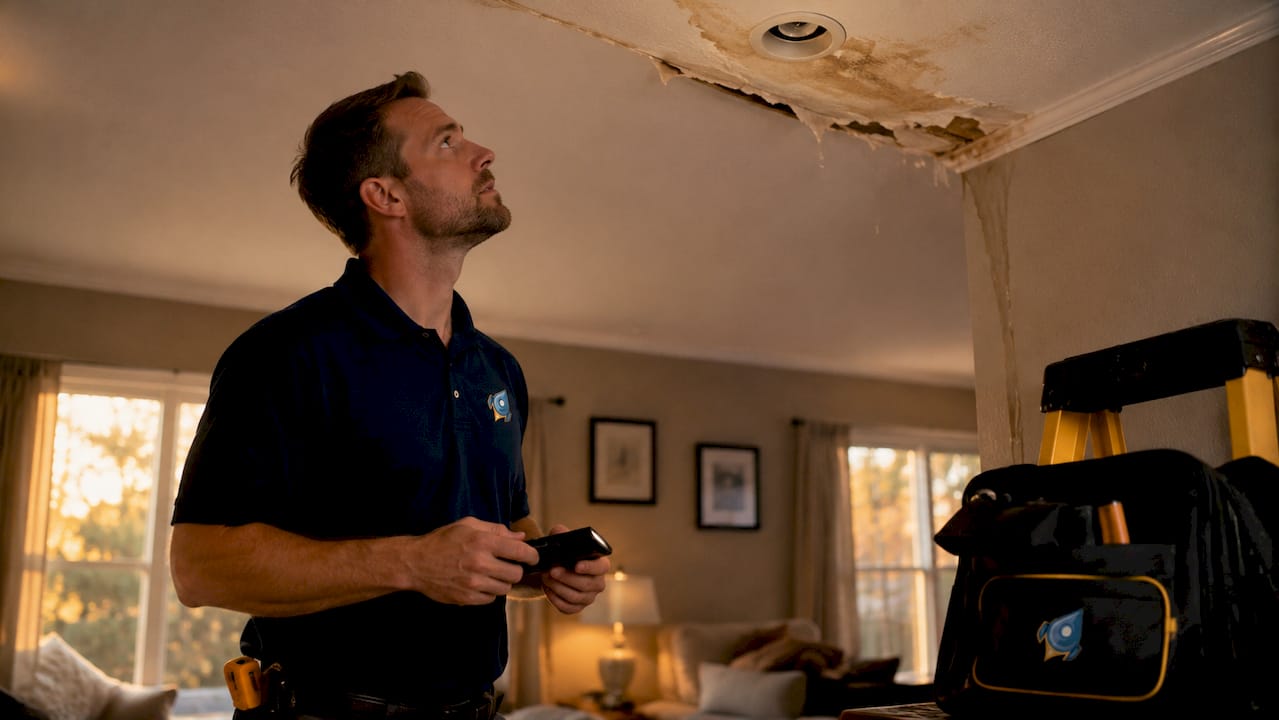
Water near electrical fixtures is equally serious. Water ingress near light fittings or switchboards creates an electrocution and fire risk that no homeowner should manage alone. Switch off the circuit at the switchboard if you can do so safely, and call a licensed professional immediately.
One detail that surprises many homeowners: rainwater leaks look different from internal pipe leaks. Rain leaks appear during or after rainfall and often leave brown water stains on ceilings. Internal pipe leaks can occur in dry weather and typically produce clearer water. Knowing which type you are dealing with helps you describe the problem accurately when you call for help.
What are the common types of roof drainage emergencies?
Roof drainage emergencies fall into several distinct categories. Recognising each one early gives you a better chance of containing damage before a licensed professional arrives.
- Burst or cracked gutters and downpipes. When gutters split or downpipes separate at the joints, water pours directly against your external walls and into the subfloor. Overflowing gutters that block roof drainage can also cause foundation damage over time. This is one of the most common roof plumbing issues after heavy storms.
- Failed vent boot flashings. The rubber collar that seals a vent pipe where it exits the roof is called a vent boot. Vent boots are the leading cause of roof plumbing leaks, and they typically last 10–15 years before cracking. Once cracked, every rain event pushes water directly into your ceiling cavity.
- Lifted or damaged metal flashings. Flashings seal the joins between the roof surface and any penetration, such as a skylight, chimney, or exhaust vent. Wind, thermal expansion, and age cause flashings to lift or corrode. When they fail, water tracks along the roof structure and appears inside the property well away from the actual entry point.
- Storm damage causing broken tiles or holes. A single displaced tile or a branch impact can open a gap large enough to let significant water in during a downpour. This type of damage often goes unnoticed until the ceiling shows staining.
- Sagging or bulging ceilings. This is a symptom rather than a cause, but it signals that a large volume of water has already pooled above the ceiling lining. Do not poke the ceiling to release the water yourself. The weight and the hidden extent of damage make this a job for a professional.
Pro Tip: Distinguishing the type of emergency before you call speeds up the repair. Note whether the leak appears during rain or in dry weather, where the water enters the room, and whether you can see any visible roof damage from the ground. This information helps your plumber prepare the right equipment before arriving.
How can you tell if it needs urgent attention right now?
Not every roof plumbing issue demands a 3AM phone call. The key is assessing the risk to people and property in the next few hours.
Call for emergency help immediately if any of the following apply:
- Water is entering your living or working space actively. A steady drip that fills a bucket in minutes is not containable and will cause rapid damage to flooring, walls, and contents.
- Your ceiling is sagging, bulging, or showing cracks around a wet patch. Structural failure can happen quickly once water saturates the ceiling lining.
- Water is near any power point, light fitting, or switchboard. This is a life-safety issue, not just a property issue.
- Storm damage has left an open hole in the roof. An unprotected opening during ongoing rain will cause damage that multiplies by the hour.
- You can smell mould or see it forming rapidly. Mould beginning to appear within a day of a leak means moisture levels are already high enough to cause health and structural concerns.
For situations that do not meet these criteria, a contained minor leak that you can manage with a bucket and that is not near any electrical fitting can reasonably wait until business hours. Waiting for a scheduled appointment can reduce costs significantly, as after-hours callout fees can be substantially higher than standard rates. That said, never let cost be the deciding factor when safety is at risk.
Pro Tip: Take a photo of the leak and the surrounding area as soon as you notice it. If the situation worsens overnight, you will have a timestamped record of when it started. This matters for insurance claims and helps your plumber assess how quickly the damage progressed.
Understanding emergency plumbing cost factors before you call also helps you make a clear-headed decision rather than a panicked one.
Who should you call? Roof plumbers versus general roofers
Calling the wrong specialist is one of the most common and costly mistakes homeowners make during a roof plumbing emergency. Confusion between roof plumbers and general roofers causes repair delays and allows damage to worsen while the wrong tradesperson assesses a problem outside their scope.
| Role | What they handle | What they do not handle |
|---|---|---|
| Licensed roof plumber | Gutters, downpipes, flashings, rainwater systems, roof drainage | Tiling, shingles, roof surface coverings |
| General roofer | Roof tiles, shingles, sarking, roof surface repairs | Drainage systems, flashings, downpipes |
A licensed roof plumber holds specific accreditations for water management systems on roofs. In states like Victoria, this includes VBA (Victorian Building Authority) registration. In New South Wales, roof plumbers must hold a valid plumbing licence issued under the relevant state authority. These credentials are not interchangeable with a general builder’s licence.
If your emergency involves water coming in around a vent, skylight, or gutter, call a licensed roof plumber. If a storm has physically broken tiles and left a hole, you may need both a roofer to replace the tiles and a roof plumber to reseal the flashings and drainage components. When in doubt, call a licensed plumber first. They can assess the drainage system and advise on whether a roofer is also needed.
Always verify credentials before work begins. Ask for the licence number and check it against your state’s licensing register. A reputable tradesperson will provide this without hesitation.
What should you do right now while waiting for help?
Taking the right steps before your plumber arrives can limit damage significantly. The wrong steps can make things worse or put you in danger.
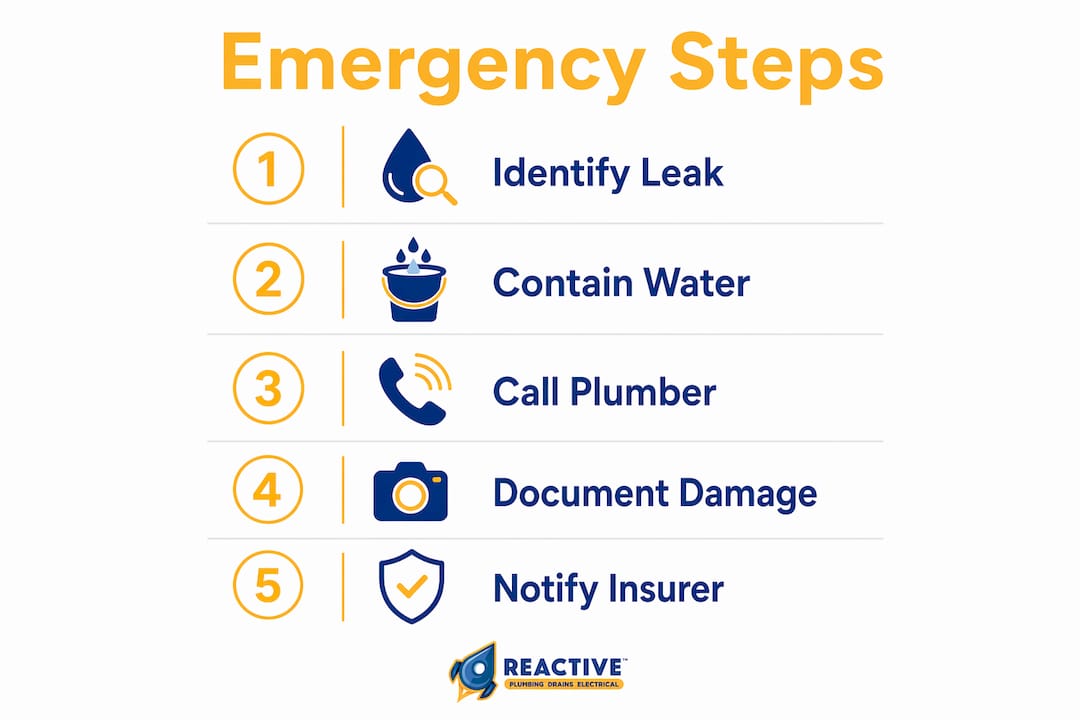
- Place buckets or containers under active drips. Use towels around the base to absorb splash. Check containers every 30 minutes and empty them before they overflow.
- Move valuables, electronics, and furniture away from the affected area. Water travels along ceiling joists and can appear well away from the original entry point.
- Switch off electricity to affected circuits at the switchboard. Do this only if you can reach the switchboard safely without walking through standing water. If there is any doubt, leave it and call an electrician alongside your plumber.
- Do not attempt to climb onto the roof. A wet roof is extremely slippery, and the structural integrity of the roof surface may already be compromised. Leave roof access to licensed professionals with the right equipment.
- Apply a temporary tarp if a professional advises you to do so. Some licensed plumbers will walk you through a safe temporary measure over the phone. Do not attempt this without guidance.
- Document everything with photos and video. Documenting damage thoroughly before repairs begin is one of the most overlooked steps in managing a roof emergency. Your insurer will ask for evidence of the initial damage, and photos taken before any repair work protect your claim.
After the emergency is under control, you may also want to look into post-emergency restoration cleaning to understand what the remediation process involves and how quotes are structured.
Pro Tip: Call your insurer as soon as the immediate danger is managed. Most home and contents policies require you to notify them promptly after an event. Delaying that call can complicate your claim, even if the damage is clearly covered.
For guidance on priority repairs during an emergency, knowing what to address first helps you direct your plumber efficiently when they arrive.
Key takeaways
A roof plumbing emergency requires immediate action when water enters living spaces, threatens structural integrity, or contacts any electrical system, and calling a licensed roof plumber rather than a general roofer is the single most important decision you can make.
| Point | Details |
|---|---|
| Define the emergency correctly | Any active water ingress, ceiling sagging, or water near electrical fittings qualifies as an emergency. |
| Act within 24–48 hours | Mould growth begins quickly after sustained moisture exposure, making fast response critical. |
| Call the right specialist | A licensed roof plumber handles gutters, downpipes, and flashings; a general roofer handles tiles and roof surfaces. |
| Document before repairs begin | Photos and notes taken before work starts protect your insurance claim and repair justification. |
| Know when to wait | Minor contained leaks away from electrical systems can wait for business hours to avoid after-hours callout costs. |
What I have learned from years of roof plumbing emergencies
The calls that concern me most are not the dramatic ones. They are the calls from homeowners who noticed a small brown stain on the ceiling three weeks ago and decided to keep an eye on it. By the time they ring us, the ceiling lining is saturated, the insulation is ruined, and mould has started tracking along the joists. A repair that would have cost a few hundred dollars has become a multi-thousand-dollar remediation job.
The second most common mistake I see is calling a general roofer for what is clearly a drainage problem. The roofer inspects the tiles, finds nothing wrong, and the homeowner is left with a bill and no solution. The actual culprit is almost always a cracked vent boot or a lifted flashing, which sits squarely in a roof plumber’s scope. Knowing the benefits of a licensed plumber before an emergency happens means you make the right call the first time.
Regular seasonal inspections change everything. Checking your roof and ceiling cavity in autumn before the winter rains, and again in spring, catches cracked flashings, blocked gutters, and deteriorating vent boots before they become 2AM emergencies. It takes less than an hour and costs far less than an after-hours callout.
My honest advice: treat any ceiling stain as guilty until proven innocent. Get a licensed roof plumber to inspect it. If it turns out to be nothing serious, you have spent a small amount for peace of mind. If it is serious, you have caught it early enough to fix it properly.
— Brent
Reactive Plumbing & Electrical: here when roof emergencies strike
When a roof plumbing emergency hits, you need a licensed team that can respond fast and fix the problem properly the first time.

Reactive Plumbing & Electrical provides 24/7 emergency response across Sydney, Newcastle, Wollongong, Brisbane, Ipswich, and the Gold Coast. Our licensed plumbers handle gutters, downpipes, flashings, and drainage systems, and we carry the equipment to manage temporary mitigation and full repairs in a single visit. We also assist with damage documentation to support your insurance claim. For properties where storm damage has affected underground drainage, our pipe relining services offer a no-dig solution that restores drainage without tearing up your property. Call us any time, day or night.
FAQ
What counts as a roof plumbing emergency?
A roof plumbing emergency is any situation where gutters, downpipes, flashings, or roof penetrations cause active water ingress, structural risk, or water contact with electrical systems. Mould can begin growing within 24–48 hours, so fast action is critical.
How do I know if I need a roof plumber or a general roofer?
Call a licensed roof plumber if the problem involves gutters, downpipes, flashings, or drainage. Call a general roofer if the issue is broken or missing tiles. Many storm events require both specialists.
Can I temporarily fix a roof leak myself?
Placing buckets and moving valuables is safe and sensible. Climbing onto the roof is not. A wet roof is slippery and may be structurally compromised. Wait for a licensed professional to assess and carry out any roof-level work.
Will my home insurance cover a roof plumbing emergency?
Most home insurance policies cover sudden and accidental water damage, but you must notify your insurer promptly and document the damage with photos before repairs begin. Gradual damage from a known leak that was left unattended is typically excluded.
How quickly does water damage become serious after a roof leak?
Structural damage and mould growth can begin within 24–48 hours of sustained moisture exposure. The faster you contain the leak and call a licensed professional, the lower the total cost and the smaller the repair scope.