Interconnected smoke alarms: your 2026 home safety guide
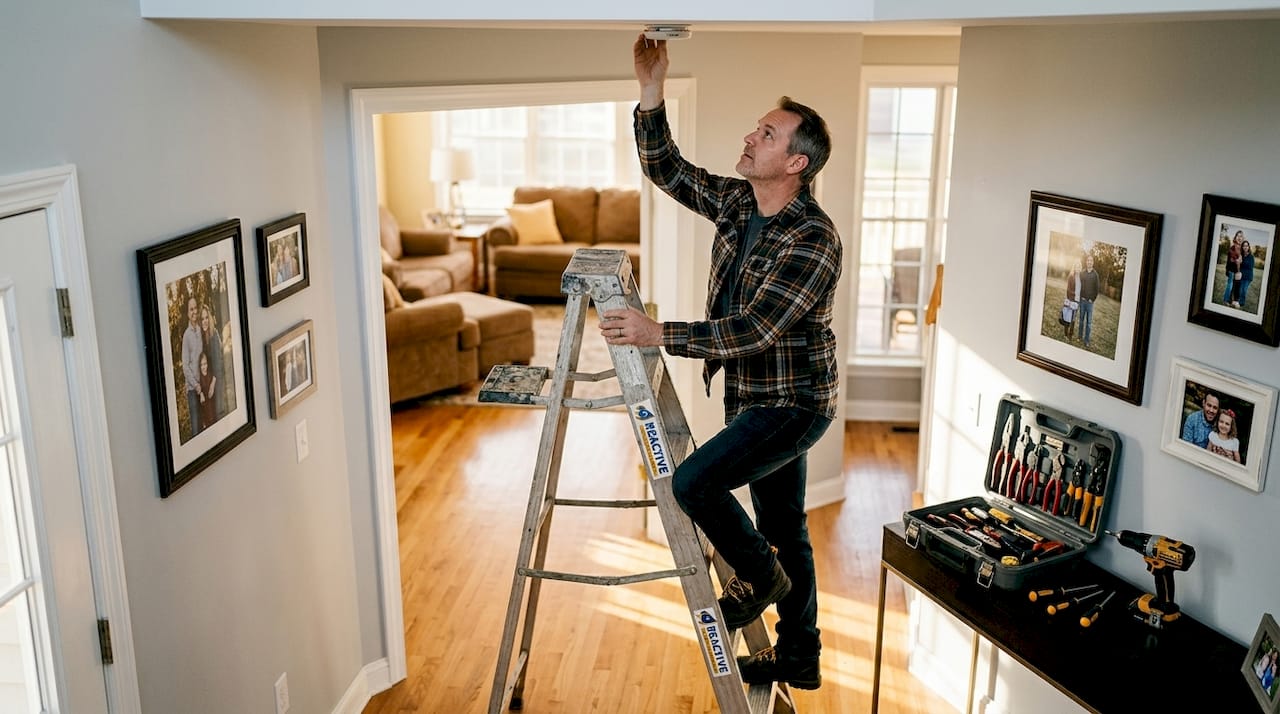
Interconnected smoke alarms are defined as a linked system of smoke detectors that all sound simultaneously when any single unit detects smoke, giving every occupant in the home a coordinated warning at the same time. This matters most in larger homes, multi-storey properties, and any dwelling where bedrooms are far from the kitchen or living areas. In 2026, Australian building codes require interconnection wherever more than one alarm is installed, making this a compliance issue as much as a safety one. Whether you are building new, renovating, or simply upgrading an older home, understanding how these systems work will help you make the right choice.
How do interconnected smoke alarms work?
Interconnected fire detectors operate on one of two methods: hardwired electrical connections or wireless radio-frequency (RF) signalling. Both achieve the same result. When one alarm detects smoke, it sends a trigger signal to every other alarm in the network, and all units sound together.
Hardwired interconnection uses the home’s existing electrical wiring plus a dedicated interconnect wire (sometimes called a traveller wire) that runs between each unit. Every alarm also carries a battery backup so the system keeps working during a power outage. Wireless interconnection uses RF signals to link alarms without any new wiring, which makes it far more practical for existing homes where running cables through finished walls would be disruptive and expensive.
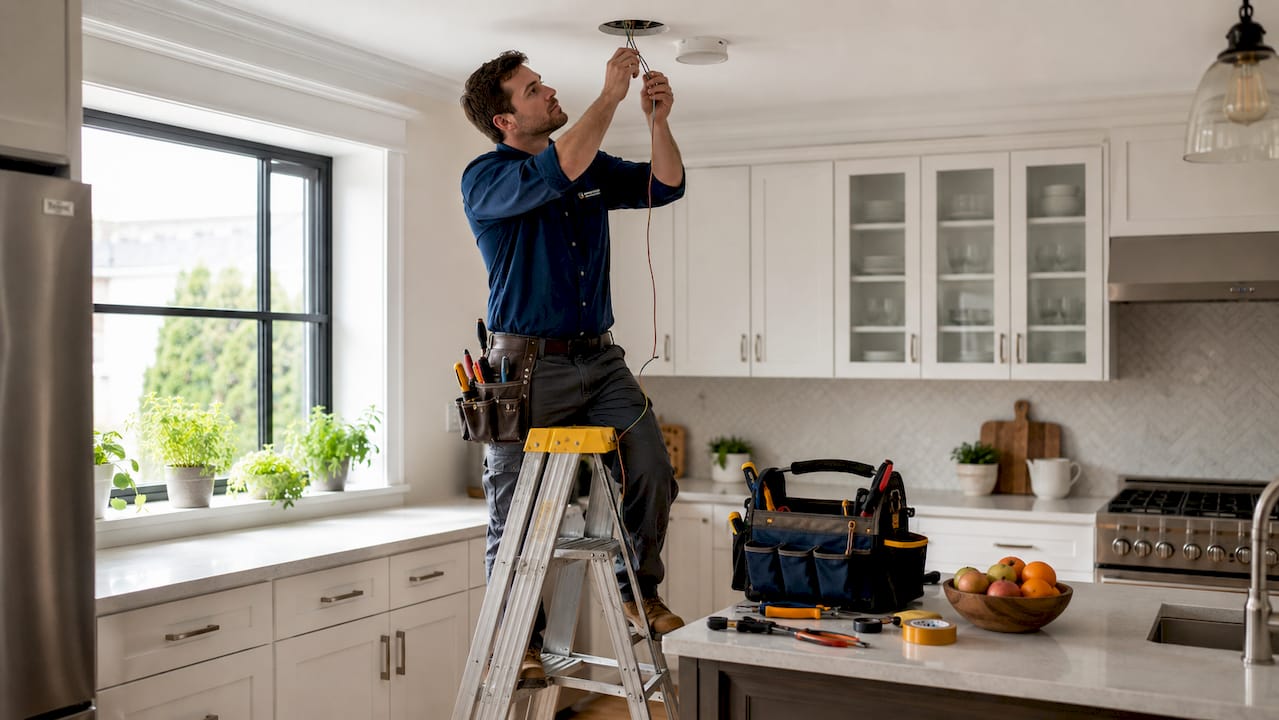
The key technical point most homeowners miss is this: wireless interconnection must be a listed, approved system. You cannot simply buy two wireless smoke detectors from different brands and expect them to communicate. True code-compliant wireless interconnection includes encrypted compatibility and identification protocols, meaning the alarms are designed and tested to work as an integrated network. Mixing unrelated brands or unlisted devices results in a system that looks complete but fails when it matters most.
Common features across quality interconnected systems include:
- Photoelectric sensors, which detect slow, smouldering fires more reliably than ionisation sensors alone
- 10-year sealed lithium batteries, eliminating the need for annual battery replacement
- Dual-sensor technology, combining photoelectric and heat detection for broader coverage
- RF mesh networking in wireless systems such as Kidde wire-free and RadioLINK wireless interconnect, allowing signals to hop between units even if one alarm loses power
Pro Tip: If you are installing wireless smoke detectors, check that every unit in your chosen range carries the same listed wireless interconnect certification. One uncertified unit in the chain breaks the entire network.
Most systems support a maximum of 18–24 interconnected devices per network, depending on the brand and model. Always confirm the device limit before purchasing additional units for a large home.
What are the australian legal requirements for interconnected alarms?
Australian building regulations require smoke alarms in specific locations throughout a home, and interconnection is mandatory wherever more than one alarm is installed. The core placement rules require alarms inside every bedroom, in hallways outside sleeping areas, and on every storey of the dwelling including any basement or lower ground floor.
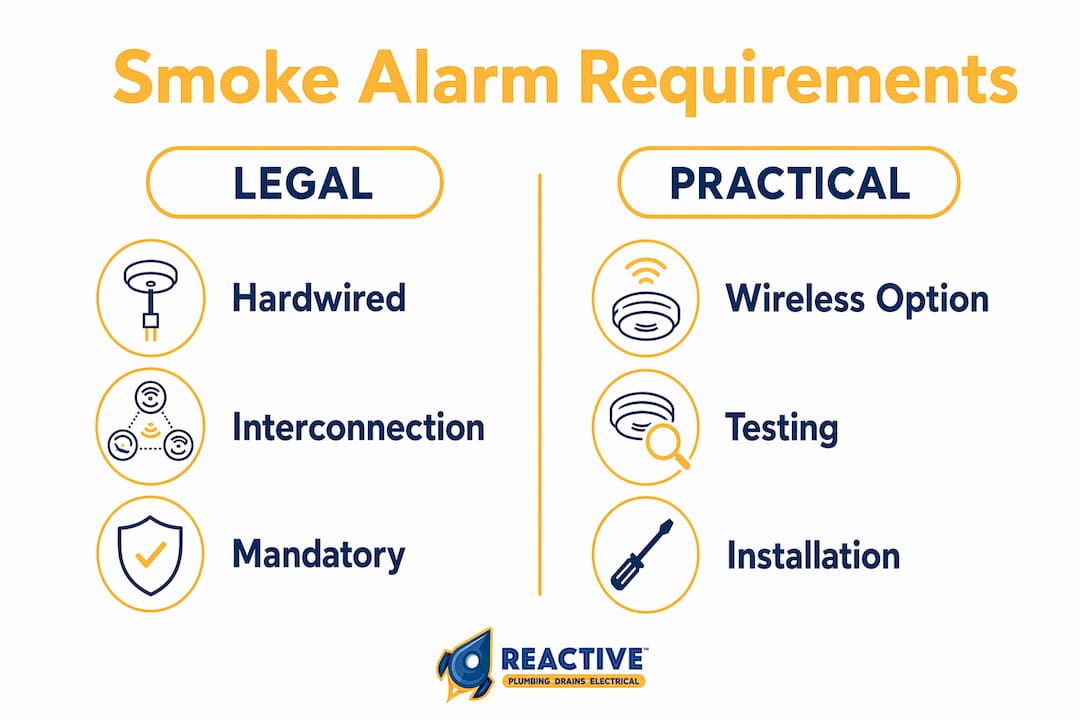
The table below summarises the key requirements for different property types:
| Property Type | Power Requirement | Interconnection Required | Wireless Permitted |
|---|---|---|---|
| New construction | Hardwired with battery backup | Yes | Subject to local authority approval |
| Renovation or addition | Hardwired with battery backup | Yes | Subject to local authority approval |
| Existing home (no works) | Battery acceptable | Yes, if more than one alarm | Yes, if listed system |
| Rental property | Battery or hardwired | Yes, if more than one alarm | Yes, if listed system |
New construction requires hardwired primary power and interconnection as a baseline. Retrofit situations in existing homes may allow wireless systems, but this depends on your local council or authority having jurisdiction. The International Fire Code 2021, which informs many Australian standards, codifies interconnection as a requirement in specified construction contexts. Australian standards align closely with this framework, though state-based amendments can add stricter conditions.
Renters should note that landlords are legally responsible for installing compliant smoke alarms before a tenancy begins. If you move into a property and the alarms are not interconnected as required, that is a compliance issue your landlord needs to address.
Pro Tip: Before purchasing any wireless smoke alarm system, contact your local council or building certifier to confirm they accept wireless interconnection. Some jurisdictions require hardwired systems regardless of what national codes permit.
Building inspectors verify interconnection by testing one alarm and confirming all others sound simultaneously. A system where units are present but not properly linked will fail inspection.
How to choose and install the right system for your home
Choosing the right interconnected alarm system starts with one decision: hardwired or wireless. That choice depends on whether your home is under construction, being renovated, or already finished.
Assess your home’s wiring situation. New builds and major renovations suit hardwired systems. The best practice for hardwired installation is to run the interconnect wiring during rough-in, before walls are closed. Retrofitting wiring into finished walls is expensive and disruptive.
Choose a single brand and range. Compatibility is non-negotiable. Select all units from the same product family. Systems like Kidde wire-free and FirePro Connect are designed as closed networks. Mixing models, even within the same brand, can break interconnectivity.
Map your alarm locations before purchasing. You need an alarm inside each bedroom, in the hallway outside sleeping areas, and on every floor. Count your required locations first, then confirm the system you choose supports that number of devices.
Consider combination units. Some product lines offer smoke and carbon monoxide detection in a single unit, along with smart features like voice alerts or Wi-Fi connectivity. These add value without requiring extra devices.
Decide on professional versus DIY installation. Hardwired systems must be installed by a licensed electrician in Australia. Wireless DIY interconnected alarms can be installed by a competent homeowner, but the system still needs to meet code requirements and may need a compliance check.
Plan your maintenance schedule. Sealed lithium battery alarms eliminate frequent battery changes but the entire unit must be replaced after 10 years. Mark the installation date on each unit so you know when replacements are due.
Pro Tip: After installation, press the test button on one alarm and walk to the furthest point in your home. If you cannot clearly hear the alarm from there, you may need additional units or a louder model.
For a professional smoke alarm installation in Sydney, a licensed electrician can handle both the wiring and the compliance documentation in a single visit.
What practical benefits do interconnected alarms offer?
The core benefit of interconnected fire detectors is speed of warning. Coordinated alarm sounding reduces risk by waking occupants in distant rooms far more quickly than a single alarm ever could. In a two-storey home, a fire starting in the kitchen at 2am may not trigger a standalone alarm in the upstairs bedroom until smoke has already spread significantly.
The practical advantages go beyond volume:
- Whole-home coverage. Every occupant hears the alert at the same moment, regardless of where they are in the house.
- Reduced missed alarms. A person sleeping with a fan running, wearing earplugs, or in a room at the opposite end of the house is far more likely to be woken by multiple alarms sounding together.
- Coordinated evacuation. All household members receive the warning simultaneously, which supports a faster and more organised exit.
- Smart integration. Wi-Fi enabled systems can send alerts to your phone when you are not home, useful for rental properties or holiday houses.
The limitations are worth knowing too. Brand incompatibility is the most common failure point. A wireless system where one alarm is a different brand or an older unlisted model will not trigger the others reliably. Wireless range can also be an issue in homes with thick masonry walls or steel-framed construction, where RF signals may not reach every unit.
A common misconception is that any smoke alarm labelled “wireless” is automatically capable of wireless interconnection. This is not true. A wireless alarm may simply mean it runs on batteries. Wireless interconnection requires a listed rated capability built into the device specifically for network communication. Always check the product specifications before purchasing.
Key takeaways
Interconnected smoke alarms are the most effective fire safety upgrade an Australian homeowner can make, requiring a listed system, correct placement, and regular testing to deliver reliable whole-home protection.
| Point | Details |
|---|---|
| Interconnection is mandatory | Australian codes require all alarms to sound together wherever more than one unit is installed. |
| Wireless systems must be listed | Only use approved wireless interconnect systems; mixing brands creates unreliable and non-compliant networks. |
| New builds need hardwired alarms | New construction requires hardwired primary power with battery backup; wireless is subject to local approval. |
| Replace units after 10 years | Sealed lithium battery alarms must be replaced as complete units after their 10-year lifespan. |
| Test the full system regularly | Press the test button on one alarm and confirm every other alarm in the home sounds simultaneously. |
Why most homeowners get this wrong the first time
I have been involved in residential electrical work long enough to see the same mistake repeated constantly. A homeowner buys three smoke alarms at the hardware store, installs them on the ceiling, and considers the job done. Two are from one brand, one is from another. None of them are listed for wireless interconnection. They look fine. They beep when you press the test button individually. But they are not interconnected at all.
The code requirement is not just about having alarms present. It is about all alarms sounding simultaneously when one detects smoke. That distinction is the difference between a system that works and one that gives you false confidence.
My honest advice: treat your smoke alarm system the way you treat your home’s electrical switchboard. You would not mix random components from different manufacturers and hope they work together. The same logic applies here. Choose one product family, confirm it carries the correct listing for wireless interconnection if you are going wireless, and have a licensed electrician sign off on the installation.
I also see homeowners skip the electrical safety check that confirms the system actually functions as a network. That check is not bureaucratic box-ticking. It is the only way to know your alarms will do their job at 3am when everyone is asleep.
Invest in quality. A compliant, well-installed interconnected system is one of the lowest-cost, highest-value safety upgrades you can make to any home.
— Brent
Need help with smoke alarm installation or compliance?
Getting your smoke alarm system right is not just about buying the correct products. It is about installation, compliance, and knowing the system will perform when it counts.
Reactive Plumbing & Electrical installs and inspects smoke alarm systems across Sydney, Newcastle, Wollongong, Brisbane, Ipswich, and the Gold Coast. Our licensed electricians handle both hardwired and wireless interconnected systems, confirm compliance with Australian building codes, and provide the documentation you need for building inspections or rental compliance. Whether you are upgrading an existing home or fitting out a new build, we can help you get it done correctly. For ongoing peace of mind, our electrical maintenance services include routine smoke alarm testing and system checks. Get in touch with Reactive Plumbing & Electrical today.
FAQ
What is the difference between hardwired and wireless interconnected alarms?
Hardwired interconnected alarms use physical wiring between units and require mains power with battery backup, while wireless systems use RF signals to communicate without new cabling. Both must meet listed interconnection standards to be code-compliant.
Can i mix different brands of smoke alarms in an interconnected system?
No. Mixing brands in a wireless interconnected system causes compatibility failures and produces a non-compliant network. All units must come from the same listed product family to guarantee reliable communication.
How many smoke alarms can be interconnected in one system?
Most residential interconnected systems support between 18 and 24 devices per network, depending on the brand and model. Check the manufacturer’s specifications before purchasing additional units for a large home.
Do renters need interconnected smoke alarms?
Yes. Landlords are legally required to install compliant smoke alarms before a tenancy begins, and interconnection is mandatory wherever more than one alarm is required. Renters should report non-compliant alarms to their landlord or property manager.
How often should i test my interconnected smoke alarm system?
Test the full system at least every six months by pressing the test button on one alarm and confirming all other alarms in the home sound simultaneously. Replace any unit that does not respond, and replace all units after 10 years regardless of apparent condition.