Ceiling fans for australian homes: 2026 buyer’s guide
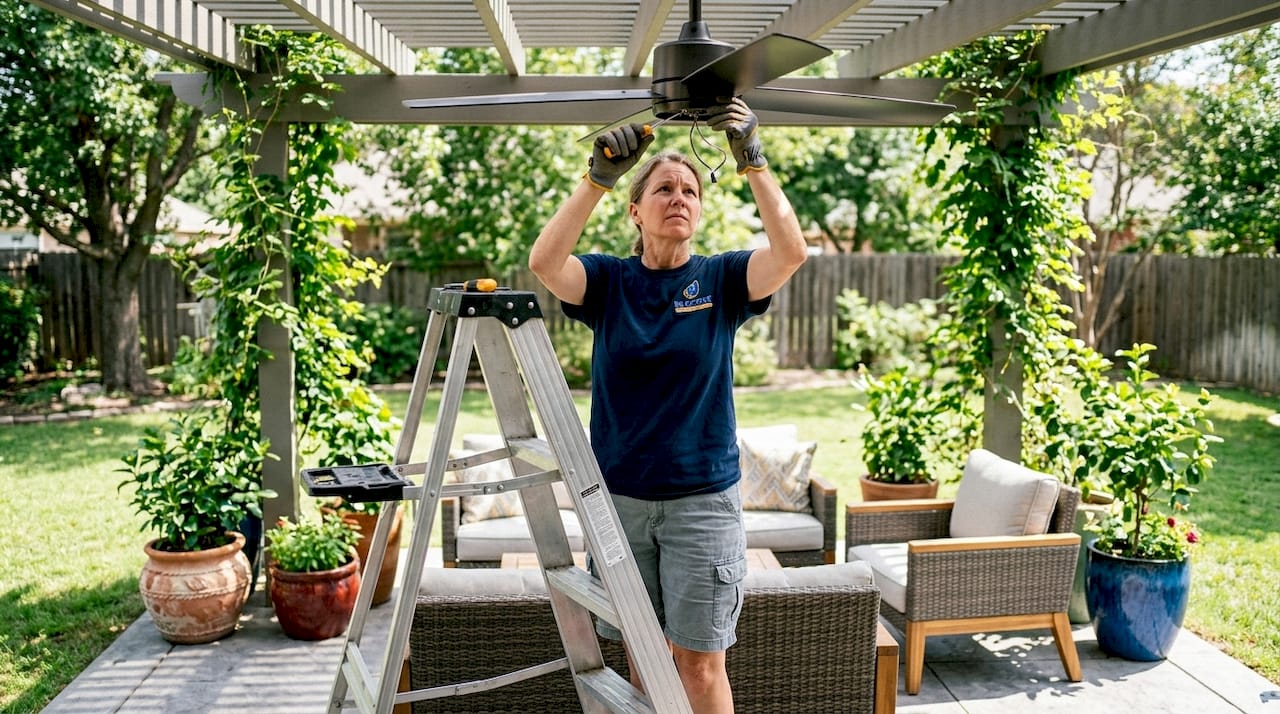
Ceiling fans are defined as electrically powered overhead fixtures that circulate air within a room to create a cooling effect without lowering the actual air temperature. They work by increasing air movement over occupants, which aids sweat evaporation and makes a room feel several degrees cooler than it actually is. For Australian homeowners and renters, this makes them a practical, cost-effective alternative to running air conditioning all day. Brands like Hunter and Honeywell dominate the market, and Consumer Reports lab testing from 2026 confirms that airflow adjustability is the single biggest comfort differentiator between models.
1. what makes the best ceiling fan for your home?
Choosing the right fan comes down to more than looks. The following criteria separate a fan that performs well from one that just hangs there looking good.
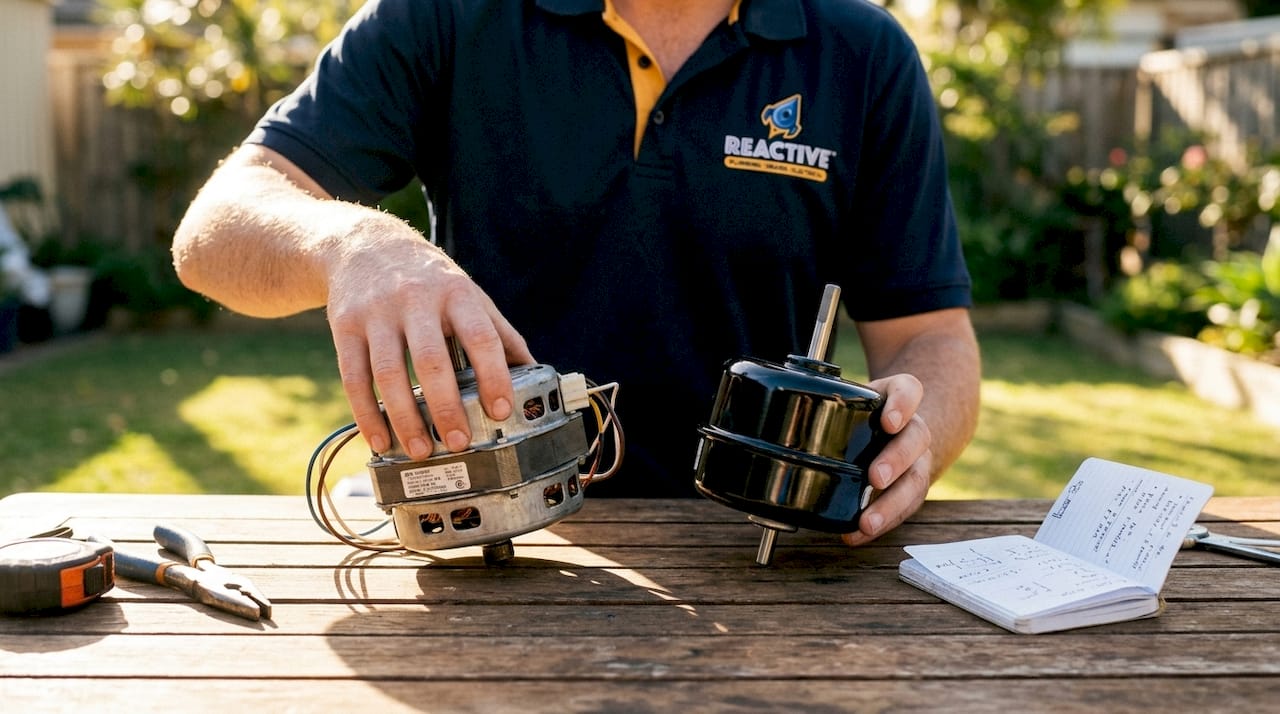
Motor type is the most important technical decision. AC motors are the traditional standard, reliable and affordable. DC motors run quieter, use less electricity, and typically offer more speed settings. For Australian summers, a DC motor fan is worth the extra upfront cost.
Blade design affects both airflow and aesthetics. Three-blade fans often look modern and sleek, while five-blade models can move more air and run quieter depending on the motor. Blade pitch (the angle of the blade) also matters. A steeper pitch moves more air but puts more load on the motor.
Energy efficiency ratings tell you how much airflow you get per watt. Look for ENERGY STAR certification. Hunter’s ENERGY STAR-certified fans are 64% more efficient than conventional models on average. That gap adds up quickly on your electricity bill across a long Australian summer.
Controls range from basic pull chains to wall switches, remote controls, and smart home integration. Remote and smart fans are growing in popularity because they let you adjust speed without getting up, which matters when you’re trying to sleep.
Pro Tip: For most Australian living rooms and bedrooms, a 52-inch DC motor fan with a remote control gives you the best balance of airflow, quiet operation, and convenience.
2. how do the top ceiling fan models compare?
Consumer Reports tested nine brands across nine airflow points in early 2026 using an anemometer. The biggest differences found were in airflow adjustability, noise levels, and speed control range. Here is how the standout models stack up.
| Model | Blade Span | Motor Type | ENERGY STAR | Remote/Smart | Best For |
|---|---|---|---|---|---|
| Hunter Pro’s Best DC | 52 inch | DC | Yes | Remote | Energy efficiency |
| Honeywell Xerxes | 62 inch | DC | Yes | Remote | Large rooms |
| Westinghouse Wengue | 52 inch | AC | No | Pull chain | Budget buyers |
| Hunter Dempsey | 44 inch | DC | Yes | Remote/Smart | Bedrooms |
| Honeywell Carnaby | 52 inch | AC | No | Remote | Mid-range value |
Hunter Pro’s Best ENERGY STAR DC
- Pros: Whisper-quiet WhisperWind DC motor, certified energy efficient, five speeds, reversible for winter
- Cons: Higher price point, light kit sold separately on some versions
Honeywell Xerxes
- Pros: Large 62-inch span suits open-plan areas, DC motor, strong airflow at low speed
- Cons: Bulky profile, not ideal for rooms under 4 metres wide
Westinghouse Wengue
- Pros: Affordable, solid AC motor, simple installation
- Cons: Fewer speed options, no smart features, louder at high speed
Hunter Dempsey
- Pros: Compact 44-inch size suits smaller bedrooms, smart-compatible, reversible blades
- Cons: Lower CFM output than larger models
Honeywell Carnaby
- Pros: Good mid-range value, remote included, quiet at low and medium speeds
- Cons: AC motor is less efficient than DC alternatives
The fan speed range from lowest to highest airflow matters significantly for comfort, sometimes more than blade size alone. A fan that only offers three speeds gives you far less control over your comfort than one with six or more settings.
3. how to safely install a ceiling fan
Most ceiling fan problems, including wobble, noise, and loose fittings, come from poor installation rather than a faulty product. Getting the installation right from the start protects both your safety and your investment.
Turn off the breaker, not just the wall switch. Electrical safety experts confirm that switching off the wall switch is not enough. You must cut power at the breaker and verify the circuit is dead with a voltage tester before touching any wiring.
Install a fan-rated electrical box. Standard light fixture boxes cannot support the weight and motion of a ceiling fan. Using the wrong box leads to wobble, loosening over time, and possible failure. Fan-rated boxes are rated for the dynamic load a spinning fan creates.
Secure the mounting bracket correctly. The bracket must sit flush and level. A crooked bracket causes vibration that travels through the ceiling and creates noise you cannot fix by tightening screws later.
Match wire colours and connect the earth. In Australian wiring, active is red or brown, neutral is black or blue, and earth is green and yellow. If the existing wiring does not match what you expect, stop and call a licensed electrician.
Check for angled or vaulted ceilings. Ceilings angled beyond 34 degrees require a specialised angled mounting kit or a longer downrod to keep the fan hanging level and operating safely.
Pro Tip: After installation, run the fan at full speed for five minutes and watch for wobble. If it wobbles, use the blade balancing kit included with most fans before assuming the motor or mounting is faulty.
4. choosing the right fan size for every room
Fan size and room size must match for the fan to do its job. A small fan in a large room barely moves the air. A large fan in a small room creates uncomfortable turbulence and wastes energy.
The This Old House sizing guide provides clear benchmarks based on room area.
| Room Size | Recommended Blade Span |
|---|---|
| Up to 7 sq metres | 74–91 cm (29–36 inch) |
| 7–13 sq metres | 91–112 cm (36–44 inch) |
| 13–21 sq metres | 112–132 cm (44–52 inch) |
| Above 28 sq metres | 132–152 cm (52–60 inch) |
Ceiling height matters just as much as floor area. For ceilings under 2.4 metres, use a flush mount (also called a hugger) fan that sits close to the ceiling. This keeps the blades at a safe height and avoids that cramped feeling in low-ceilinged rooms.
For ceilings above 2.4 metres, use a downrod to drop the fan to the ideal operating height of around 2.1 to 2.4 metres above the floor. The longer the ceiling, the longer the downrod you need. Very high ceilings in open-plan homes may need a downrod of 60 cm or more.
CFM (cubic feet per minute) is the standard measure of airflow output. Match the CFM rating to your room size. A bedroom of around 12 square metres needs at least 1,000 CFM. A large open-plan living area of 30 square metres or more needs 4,000 CFM or higher.
Pro Tip: For outdoor areas like covered patios, choose a fan rated specifically for outdoor or damp locations. Standard indoor fans will corrode quickly in humid or exposed conditions.
Key takeaways
The right ceiling fan combines correct sizing, a quality DC motor, and proper installation to deliver real comfort and lower energy bills across Australian summers.
| Point | Details |
|---|---|
| Fan size must match room area | Use the This Old House sizing guide to match blade span to square metres. |
| DC motors outperform AC for efficiency | Hunter’s ENERGY STAR DC fans use 64% less energy than conventional models. |
| Airflow adjustability is the top comfort factor | Consumer Reports 2026 found speed range matters more than blade size alone. |
| Installation safety is non-negotiable | Always cut power at the breaker and use a fan-rated electrical box. |
| Ceiling height determines mount type | Use flush mount for ceilings under 2.4 metres and a downrod for higher ceilings. |
What i’ve learned after years of fan installations
After seeing hundreds of ceiling fan installations across Sydney and surrounding areas, I can tell you that most buyers get two things wrong. They buy a fan that is too small for the room, and they underestimate how much the installation quality affects long-term performance.
The wobble and noise complaints we hear most often are not motor problems. They are mechanical stability issues caused by a loose mounting bracket or a box that was never rated for fan use. A $600 fan installed badly will perform worse than a $200 fan installed correctly.
My honest recommendation for most Australian homes is a 52-inch DC motor fan with at least five speed settings and a remote. You do not need smart home integration unless you already use a smart home system. The remote alone gives you 90% of the convenience at a fraction of the cost.
One thing buyers consistently overlook is the reverse function. In winter, running the fan in reverse at low speed pushes warm air that has risen to the ceiling back down into the room. This can noticeably reduce heating costs in rooms with high ceilings, which is common in older Australian homes.
For outdoor areas, do not cut corners. An indoor fan on a covered patio will rust and fail within a season in coastal or humid conditions. Spend the extra money on a rated outdoor model and it will last years longer.
— Brent
Get your ceiling fan installed right the first time
Installing a ceiling fan looks straightforward until you open the ceiling and find old wiring, no fan-rated box, or an angled ceiling that needs a specialised kit. That is where things go wrong for DIY installers.

At Reactive Plumbing & Electrical, our licensed electricians handle ceiling fan installation across Sydney, Newcastle, Wollongong, Brisbane, and the Gold Coast. We install fan-rated support boxes, check your wiring is up to code, and make sure your fan runs smoothly from day one. We also carry out electrical safety checks to confirm your home’s wiring can safely support new fixtures. Call us or book online to get a fast, reliable quote from a team that knows ceiling fans inside and out.
FAQ
Do ceiling fans actually cool a room?
Ceiling fans do not lower air temperature but create a cooling effect by moving air over your skin, which speeds up sweat evaporation. They work best when people are present in the room.
What size ceiling fan do i need for a standard bedroom?
A bedroom of 10–13 square metres suits a 44–52 inch fan. Use the blade span sizing guide from This Old House to match fan size to your specific room area.
How do i know if my ceiling can support a ceiling fan?
Your ceiling needs a fan-rated electrical box, not a standard light fixture box. Standard boxes cannot handle the weight and movement of a spinning fan, which leads to wobble and potential failure.
Are DC motor fans worth the extra cost?
Yes. DC motor fans are 64% more energy efficient than conventional AC motor fans on average, run quieter, and offer more speed settings for better comfort control.
Can i install a ceiling fan myself in australia?
You can replace an existing fan yourself if the wiring is already in place, but connecting new wiring to your home’s electrical system legally requires a licensed electrician in Australia.