How to pass a commercial building plumbing inspection
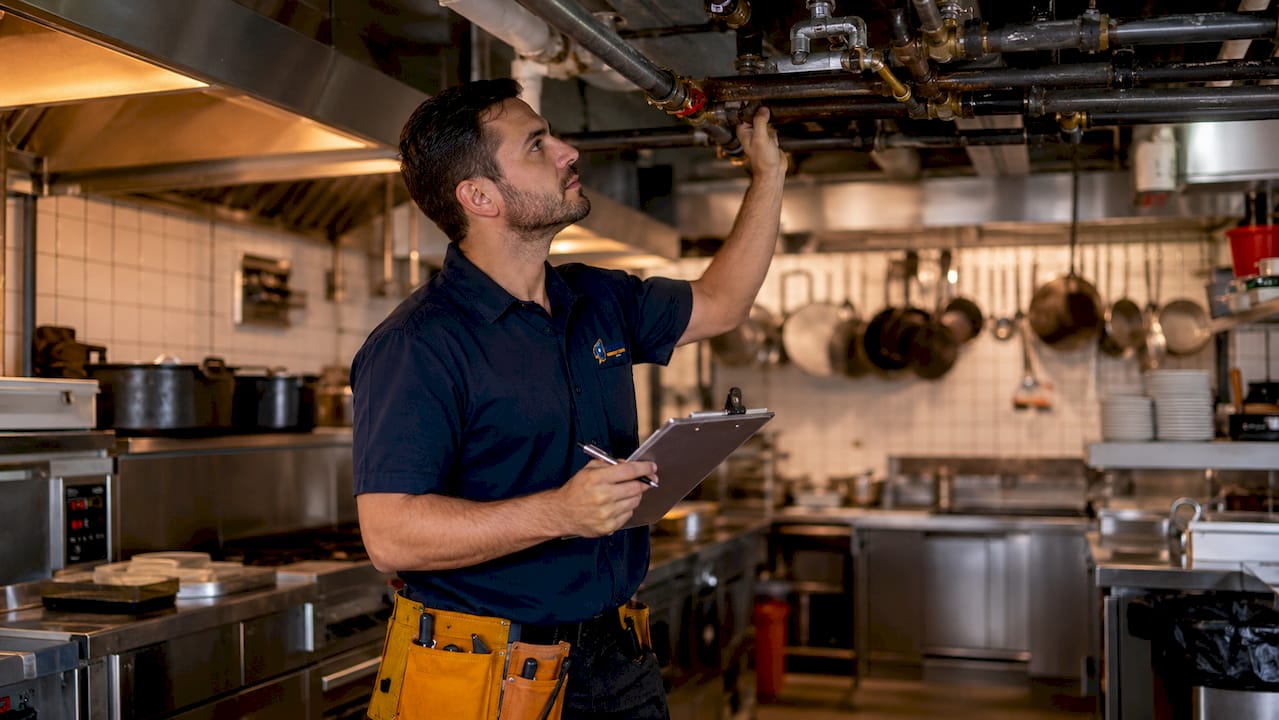
Passing a commercial building plumbing inspection means your property’s plumbing systems meet every requirement set by your local Authority Having Jurisdiction (AHJ) and applicable building code standards. Commercial plumbing assessments are far more complex than residential checks. They cover water supply lines, waste removal, backflow prevention devices, grease traps, and fixture installations across multiple floors and high-use areas. A failed inspection can trigger stop-work orders, costly re-inspections, and significant delays to your operations. Getting it right the first time protects your investment and keeps your business running.
What are the regulatory requirements for commercial plumbing inspections?
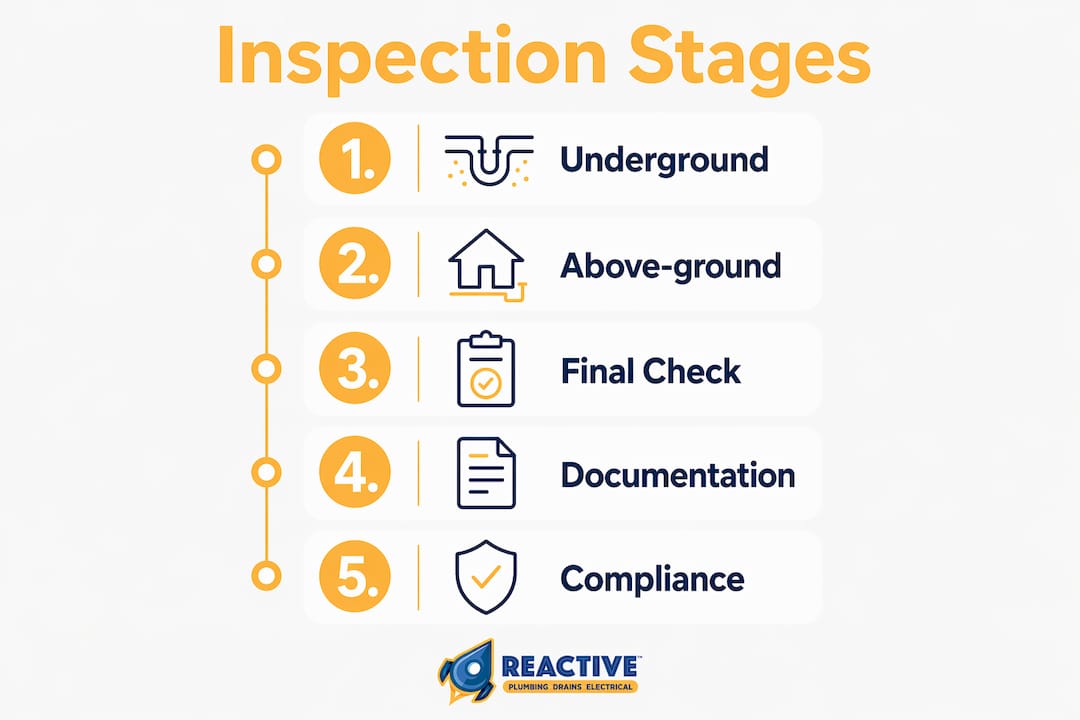
The standard inspection process follows three distinct stages: underground rough-in, above-ground rough-in, and final inspection. Each stage requires AHJ sign-off before work proceeds. Skipping approval at any stage is a code violation and can result in a stop-work order that halts your entire project.
The underground rough-in stage checks all below-slab drainage and supply lines before concrete is poured. Inspectors verify pipe materials, correct slope (typically 1:40 for drainage), and proper bedding. The above-ground rough-in stage reviews all wall and ceiling pipes before linings are installed. Inspectors check vent sizing, trap configurations, dielectric unions between dissimilar metals, and support spacing. Both stages must be completed and approved before any concealment occurs.
The final inspection is the most comprehensive stage. Inspectors review fixture operation, safety details, and confirm all corrections from earlier stages are complete. Permit documents and clear access to all work areas must be ready for inspectors at every phase.
- Underground rough-in: Drainage slope, pipe material compliance, and bedding verified before slab pour.
- Above-ground rough-in: Vent sizing, trap configuration, support spacing, and dissimilar metal unions checked before wall lining.
- Final inspection: Fixture operation, water pressure, backflow device certification, and correction completion confirmed.
Commercial plumbing assessments also differ substantially from residential ones. Backflow prevention device testing is mandatory and must be certified annually by a qualified tester. Grease interceptors in commercial kitchens require quarterly inspection and cleaning. High-traffic facilities face more frequent preventative maintenance requirements than standard commercial properties.
Pro Tip: Request a pre-inspection meeting with your AHJ before each stage. Inspectors often flag concerns informally before the official visit, giving you time to correct issues without a formal failure notice.
How to prepare your commercial plumbing system for inspection
Thorough preparation is the single biggest factor in passing your commercial plumbing assessment on the first attempt. Start at least four to six weeks before your scheduled inspection date. That window gives you time to identify problems, engage licensed tradespeople, and complete repairs without rushing.
Gather your documentation first
Permit documents and approved plans must be on site and accessible during every inspection phase. Compile your original building permits, any variation approvals, and records of previous inspections. If you have had repairs or upgrades done, collect the compliance certificates from those jobs. Inspectors cross-reference physical installations against approved drawings, so discrepancies between plans and actual work are a common cause of failure.
Conduct a thorough physical check
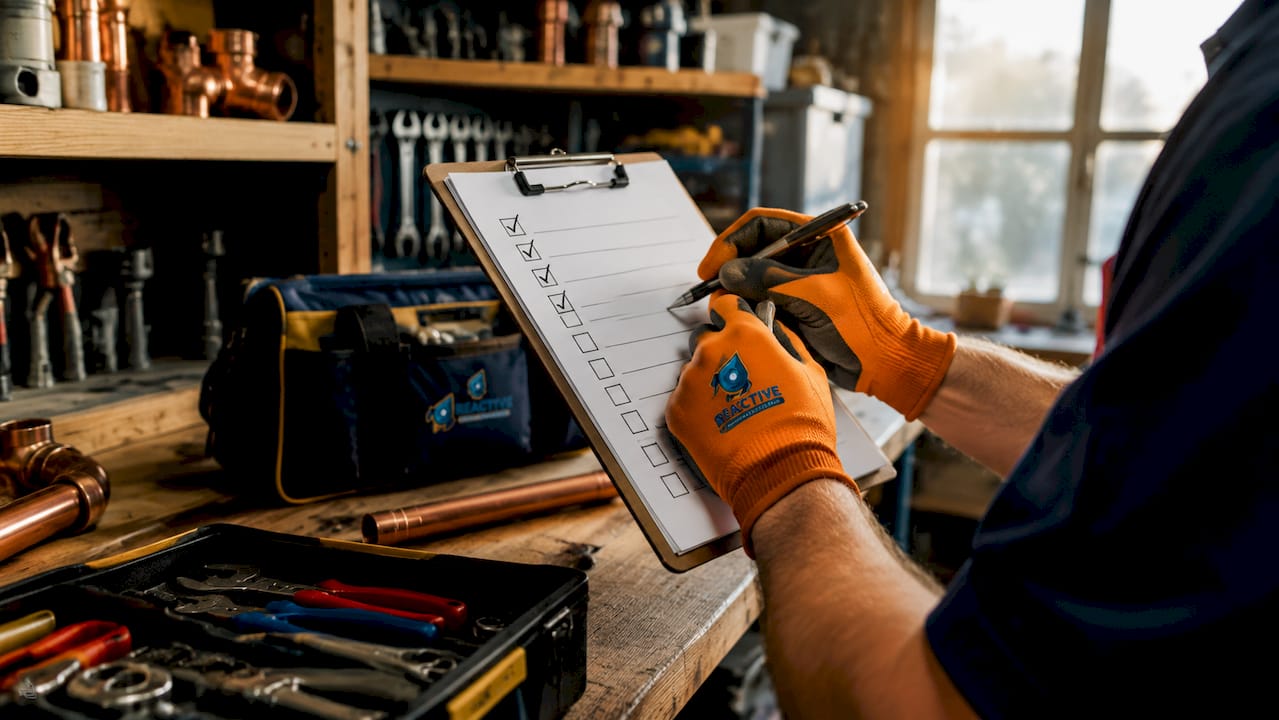
Walk every level of your building and check the following:
- Pipes and joints: Look for visible corrosion, staining, or moisture around joints. Pay particular attention to older galvanised steel pipes, which are prone to internal mineral build-up.
- Drainage and slope: Confirm that all horizontal drainage pipes maintain the correct fall. A spirit level and tape measure are enough to verify this yourself before the inspector arrives.
- Fixture operation: Test every tap, toilet, urinal, and floor drain. Slow flushing toilets, gurgling sinks, or standing water in floor drains are early signs of blockages that inspectors will flag.
- Cleanout access: Confirm that all cleanout points are visible, accessible, and not obstructed by shelving, equipment, or stored goods.
- Backflow prevention devices: Arrange certified annual testing well ahead of inspection day. Uncertified devices are an automatic compliance failure.
- Water pressure: Test pressure at multiple points. Low pressure can indicate a blockage or failing pressure-limiting valve.
- Hot water systems: Check that temperature and pressure relief valves are operational and that systems meet the required delivery temperature standards.
For building maintenance planning, treat this physical walkthrough as a formal audit rather than a casual check. Document every finding with photos and notes. That record becomes your repair priority list and your evidence of due diligence.
Pro Tip: Engage a licensed plumber to conduct a pre-inspection assessment two to three weeks before your official inspection date. A professional eye catches issues that are easy to miss, particularly in concealed or hard-to-reach areas.
Most commercial properties require a comprehensive annual inspection. High-traffic areas and commercial kitchens need more frequent attention. Building this into your annual maintenance schedule prevents last-minute scrambles before inspection day.
What causes commercial plumbing inspections to fail?
Inspection failures follow predictable patterns. Understanding the most common deficiencies lets you address them before the inspector arrives.
Inspection is the primary formal mechanism that prevents contractors from concealing poor workmanship. Improper trap configurations and incorrect vent sizing are among the most frequently missed issues, and both are invisible once walls are lined. Catching them early is always cheaper than cutting open finished walls.
The most common causes of failure include:
- Improper venting: Vent pipes that are undersized, incorrectly terminated, or missing entirely cause siphoning of trap seals. This is a health risk and a code violation.
- Trap configuration errors: Double trapping, S-traps (prohibited under Australian standards), and traps installed at the wrong depth all fail inspection.
- Inaccessible cleanouts: Cleanouts buried behind walls, under equipment, or in locked rooms cannot be inspected or serviced. Inspectors require clear, unobstructed access.
- Leaks and corrosion: Even minor drips at joints or fittings are recorded as deficiencies. Active leaks at the time of inspection are an automatic failure.
- Non-permitted work: Any plumbing work completed without a permit is a serious problem. Inspectors compare physical installations to approved drawings, and unauthorised modifications create significant compliance risk.
Ageing infrastructure creates its own category of risk. Older commercial buildings can have up to 80% pipe blockage caused by mineral build-up in galvanised steel pipes. Left undetected, this leads to emergency repairs that frequently exceed $50,000. Foundation movement causes slab leaks in 15% of older commercial buildings. Hydrostatic testing is the standard method for detecting under-slab pipe failure before it becomes a structural problem.
For a detailed breakdown of the violations most likely to affect your property, the guide to common plumbing code violations is worth reviewing before your inspection. Property managers overseeing multiple buildings should also review the commercial maintenance schedule guide to build inspection readiness into their annual planning cycle.
What happens on inspection day and after?
Knowing what to expect on the day reduces stress and helps you present your property in the best possible light.
- Confirm access: Ensure all plant rooms, roof spaces, and sub-floor areas are unlocked and accessible before the inspector arrives. Restricted access delays the inspection and can result in a partial or failed assessment.
- Have documents ready: Place your permit documents, approved plans, and backflow device certification on a table near the entry point. Inspectors appreciate not having to ask for paperwork.
- Accompany the inspector: Walk with the inspector throughout the assessment. You can answer questions on the spot, clarify the history of any repairs, and take notes on verbal feedback before the formal report is issued.
- Receive the inspection notice: Inspectors document findings in a formal notice or report. This document lists approved items, deficiencies, and any required corrections. Read it carefully and ask for clarification on anything that is unclear.
- Address deficiencies promptly: Prioritise corrections based on severity. Safety-related deficiencies must be fixed before the building can be occupied or the project can proceed. Minor items may have a longer correction window, but address them quickly to avoid re-inspection delays.
- Book a re-inspection: Once corrections are complete, contact your AHJ to schedule a follow-up inspection. Bring photographic evidence of completed work to support your re-inspection.
Professional plumbing condition reports are typically delivered within one to three days of a site walkthrough. These reports give you a financial roadmap for prioritising maintenance and repairs. Successful property managers use inspection findings to categorise repairs as minor maintenance items or capital works, which makes budgeting far more straightforward. For guidance on prioritising urgent repairs, the priority repairs guide provides a clear framework.
For broader building system readiness, the commercial roofing checklist for property managers offers a useful parallel framework for managing multi-system inspections across a commercial property.
Key takeaways
Passing a commercial plumbing inspection requires documented compliance, physical preparation, and proactive maintenance across all three inspection stages.
| Point | Details |
|---|---|
| Three-stage inspection process | Underground rough-in, above-ground rough-in, and final inspection each require AHJ sign-off before proceeding. |
| Backflow device certification | Annual certified testing of backflow prevention devices is mandatory and an automatic failure point if not current. |
| Ageing infrastructure risk | Galvanised pipes and slab leaks are common in older buildings and require proactive testing to avoid costly emergency repairs. |
| Pre-inspection preparation | Conduct a documented physical audit four to six weeks before inspection day and engage a licensed plumber for a professional review. |
| Use findings as a financial tool | Categorise inspection deficiencies into minor maintenance and capital works to budget repairs effectively and avoid surprises. |
What I have learned about inspection readiness after years on the tools
The property managers who consistently pass inspections without drama are not the ones who panic-fix things the week before. They are the ones who treat their plumbing system like a piece of equipment that needs scheduled attention, not a set-and-forget installation.
What I have seen repeatedly is that the most expensive inspection failures come from deferred maintenance on ageing infrastructure. A building owner who ignores a slow drain for two years is not saving money. They are accumulating a problem that will eventually show up on an inspection report as a capital failure rather than a minor repair. The cost difference between those two categories is significant.
The other thing worth saying plainly: the inspection process is not adversarial. Inspectors are there to verify compliance, not to catch you out. When you walk alongside them, answer questions honestly, and show that you have done your homework, the tone of the entire assessment changes. I have seen inspectors give informal guidance on borderline items simply because the property manager was engaged and prepared.
My honest advice is to use every inspection as a full commercial plumbing system evaluation, not just a compliance tick. The data you collect tells you where to spend your maintenance budget over the next three to five years. That is worth far more than the inspection certificate itself.
— Brent
How Reactive Plumbing & Electrical helps you prepare
Commercial plumbing compliance is not something to leave to chance. Reactive Plumbing & Electrical works with commercial property owners and managers across Sydney, Newcastle, Brisbane, and the Gold Coast to get plumbing systems inspection-ready. Our licensed plumbers conduct thorough pre-inspection assessments, identify deficiencies before they become formal failures, and carry out repairs to code.
Where ageing pipes are the issue, pipe relining over traditional replacement is often the faster, less disruptive solution. It restores pipe integrity without excavation, which means less downtime for your tenants and a cleaner result for your inspection. We also provide 24/7 emergency plumbing support for urgent issues that cannot wait. Contact Reactive Plumbing & Electrical to book a pre-inspection assessment and go into your next inspection with confidence.
FAQ
What does a commercial plumbing inspection cover?
A commercial plumbing inspection covers water supply lines, waste removal systems, backflow prevention devices, hot water systems, fixtures, and grease traps. Inspectors verify that all installations meet local building code standards and that devices like backflow preventers carry current certification.
How often do commercial buildings need a plumbing inspection?
Most commercial properties require a comprehensive annual inspection, with high-use components like grease interceptors requiring quarterly checks. The frequency increases for high-traffic facilities or buildings with ageing infrastructure.
What are the most common reasons for failing a commercial plumbing inspection?
The most common failures involve improper venting, incorrect trap configurations, inaccessible cleanouts, active leaks, and non-permitted work. Uncertified backflow prevention devices are also an automatic compliance failure.
How long does it take to fix deficiencies after a failed inspection?
Minor deficiencies can often be corrected within days, while structural or infrastructure issues may take several weeks. Engaging a licensed plumber immediately after receiving the inspection report speeds up the correction and re-inspection process.
Do I need a licensed plumber to prepare for a commercial plumbing inspection?
Yes. All plumbing work in commercial buildings must be carried out by a licensed plumber to be compliant. Unlicensed repairs are treated as non-permitted work and will fail inspection regardless of the quality of the workmanship.