How emergency drain clearing works: a homeowner’s guide
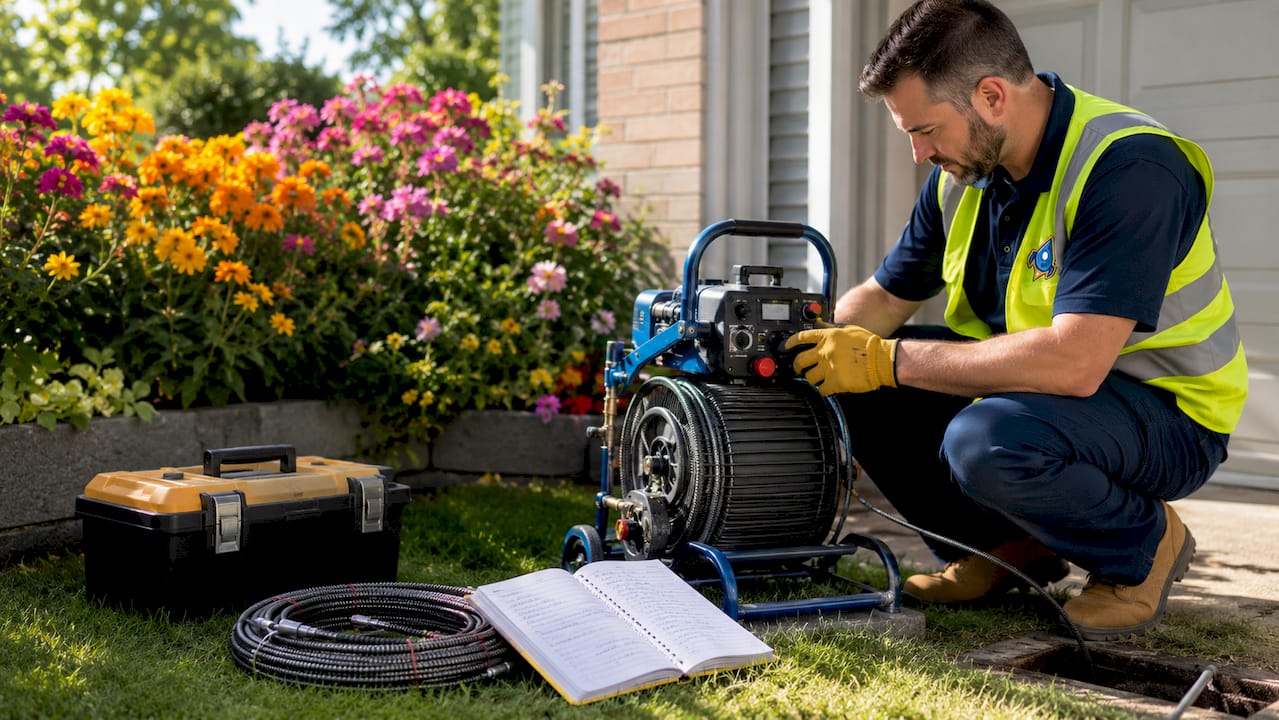
Emergency drain clearing is the rapid professional response to a severe blockage that threatens your home with flooding, sewage backup, or structural water damage. Known in the industry as emergency drain cleaning or urgent drain clearance, the process combines diagnostic technology with targeted clearing techniques to restore drainage flow fast. A licensed plumber arrives with CCTV cameras, drain snakes, and hydro jetting equipment, diagnoses the exact blockage type and location, then applies the right method to clear it completely. Understanding this process helps you make confident decisions, avoid costly delays, and protect your property when things go wrong.
How emergency drain clearing works: the diagnostic first step
Professional drain clearing is a diagnostic-first process designed to avoid costly trial and error and select the right tools before any clearing begins. Skipping this step is one of the most common mistakes made with DIY attempts, and it often leads to pipe damage or a blockage that returns within days.
When a licensed technician arrives, they start by gathering information. They will ask which fixtures are affected, whether multiple drains are backing up, and how long the problem has been building. This gives them a working picture before any equipment is deployed.
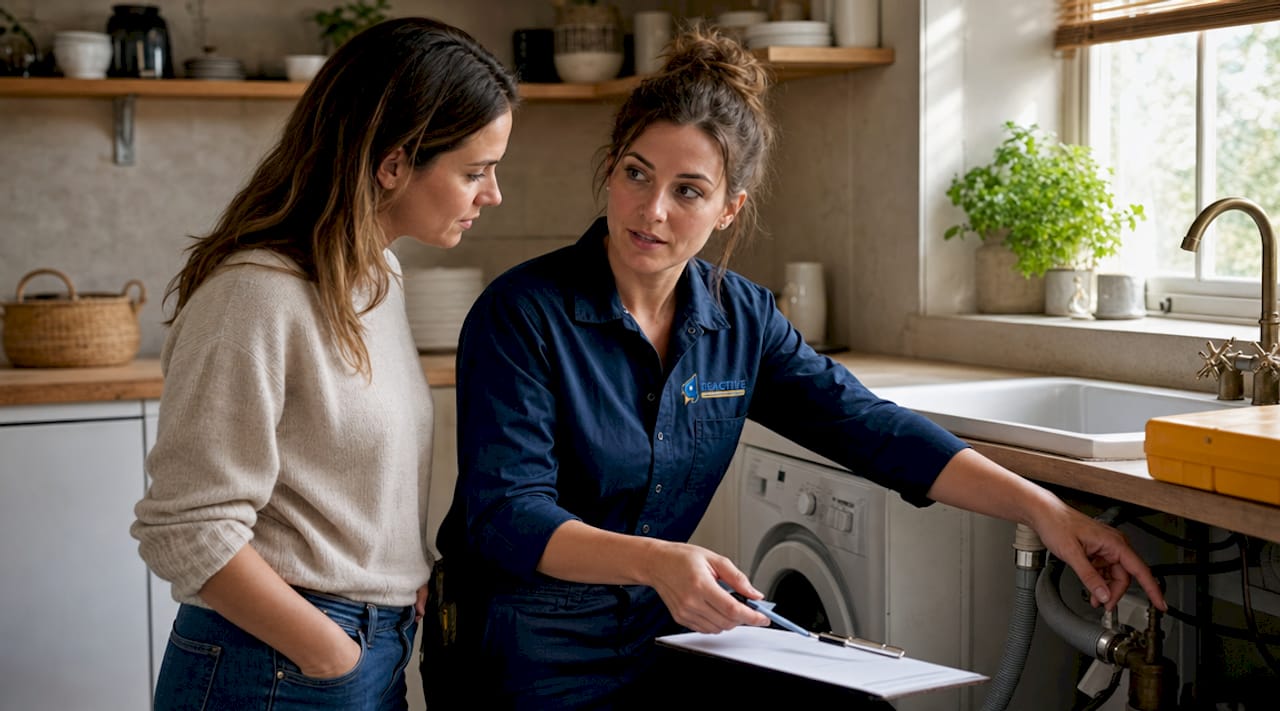
The centrepiece of professional diagnosis is the CCTV drain camera. This is a waterproof camera mounted on a flexible cable that is fed directly into the pipe. It transmits live footage to a screen, allowing the technician to see exactly where the blockage sits, what it is made of, and whether the pipe itself is cracked, collapsed, or root-damaged.
Key diagnostic tools used by professional teams include:
- CCTV drain cameras to visually locate and assess blockages and pipe condition
- Pipe locating devices that use electronic signals to track the camera’s position underground, pinpointing the blockage without digging
- Flow testing to check whether partial flow is present and gauge severity
- Pressure testing on sealed sections to identify hidden leaks or structural failures
A camera inspection before and after clearing is the defining feature of a genuine professional service. It confirms the blockage is fully removed and that the pipe is structurally sound.
Pro Tip: Ask your technician to show you the camera footage before and after clearing. A reputable service will do this without hesitation, and it gives you clear evidence of what caused the problem and whether it has been fully resolved.
Mechanical snaking vs hydro jetting: which method is used?
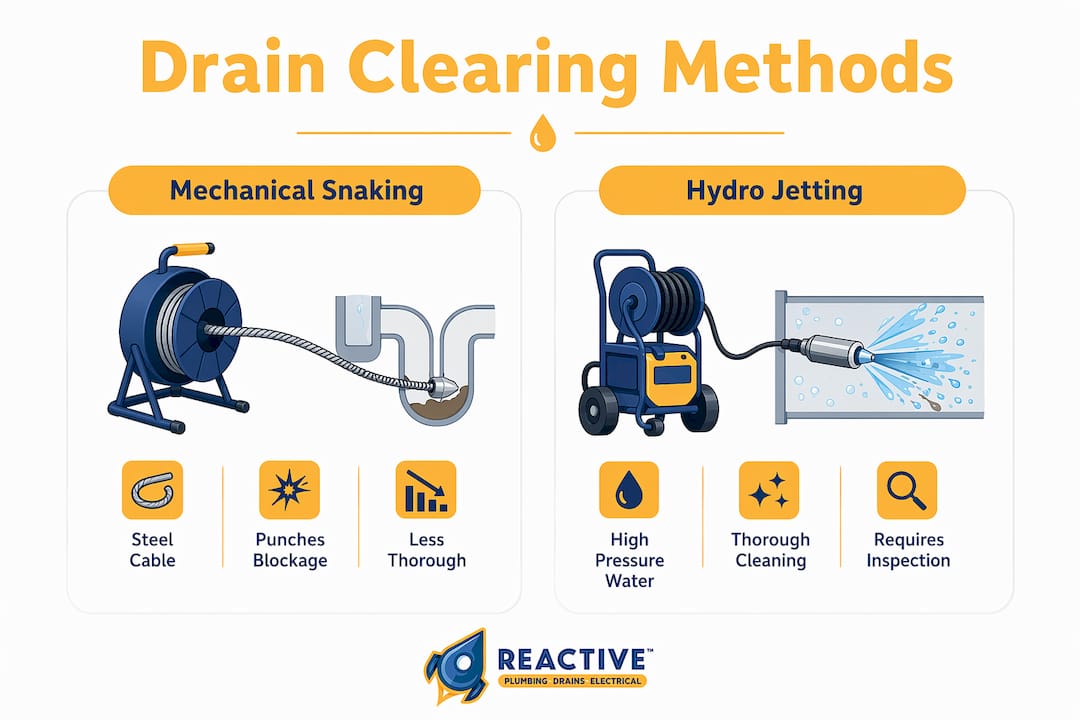
Once the diagnosis is complete, the technician selects the most appropriate clearing technique. The two primary methods used in emergency drain cleaning are mechanical snaking and hydro jetting. Each has specific strengths, and the choice depends on the blockage type, pipe condition, and urgency.
Mechanical snaking
Mechanical snaking, also called drain rodding or cable cleaning, uses a rotating steel cable fed into the pipe. The cable tip bores through or breaks apart the blockage, creating a channel for water to flow again. It is fast, low-risk, and effective for soft blockages like hair, soap scum, and light grease accumulations. Experienced technicians often start with mechanical snaking on older or fragile pipes before considering higher-pressure methods, because stepwise method choice based on pipe condition reduces the risk of damage.
The limitation of snaking is that it punches a hole through the blockage rather than removing it entirely. Grease film, mineral scale, and root fragments are often left clinging to the pipe walls, which means the blockage can reform within weeks.
Hydro jetting
Hydro jetting uses a high-pressure water jet, typically operating between 1,500 and 4,000 PSI, to scour the interior walls of the pipe. That pressure range is roughly equivalent to a commercial pressure washer at its most powerful setting, which gives you a sense of how thoroughly it cleans. It removes grease film, mineral scale, and root fragments that a cable machine typically leaves behind, significantly prolonging the time before any recurrence.
The trade-off is that hydro jetting requires a prior CCTV inspection to confirm the pipe is structurally sound. Applying that level of pressure to a cracked or deteriorated pipe can cause further damage. It is also a more involved process, which means slightly longer job times.
| Feature | Mechanical snaking | Hydro jetting |
|---|---|---|
| Method | Rotating steel cable bores through blockage | High-pressure water scours pipe walls |
| Best for | Soft blockages, hair, light grease | Grease buildup, roots, mineral scale |
| Pipe safety | Suitable for older or fragile pipes | Requires confirmed pipe integrity first |
| Thoroughness | Creates a channel; residue may remain | Removes buildup completely |
| Recurrence risk | Higher; residue left on walls | Lower; walls left clean |
| Typical use case | First response on unknown pipe condition | Follow-up or confirmed sound pipes |
The decision between these two methods is not arbitrary. A well-equipped team will assess the camera footage and choose accordingly, or use snaking first and follow with jetting once pipe condition is confirmed.
What to expect from an emergency drain clearing service
Understanding the full sequence of an emergency callout removes the uncertainty and helps you know whether the service you are receiving is thorough or just a quick patch.
- Initial call and rapid dispatch. Most professional emergency drain cleaning services respond within one to two hours, with many arriving in under 60 minutes depending on your location. When you call, describe which drains are affected, whether there is any sewage smell or visible backup, and when the problem started.
- On-site assessment. The technician inspects the affected fixtures, checks for multiple drain involvement, and asks about recent changes like new tree plantings or recent heavy rain. This narrows down the likely cause before the camera goes in.
- CCTV inspection. The camera is fed into the drain to locate and identify the blockage. The technician notes the depth, position, and nature of the obstruction, and checks the surrounding pipe for cracks or root intrusion.
- Clearing with the appropriate method. Based on the footage, the technician selects mechanical snaking, hydro jetting, or a combination of both. For a blocked sewer line, you can follow the professional clearing steps that apply specifically to main line blockages.
- Post-clearing camera verification. The camera goes back in to confirm the blockage is fully removed and the pipe is intact. This step is what separates a genuine professional service from a temporary fix.
- Advice and next steps. The technician explains what caused the blockage, whether any pipe repairs are needed, and how to reduce the risk of recurrence. This might include scheduling a follow-up inspection or discussing pipe relining if structural damage was found.
Pro Tip: If a technician clears your drain without running a camera inspection afterwards, ask them to do so before they leave. Verification is not optional in a proper emergency drain clearing service.
Common causes and warning signs of a drain emergency
Tree root intrusion, grease buildup, flushing inappropriate items, and pipe deterioration are the four most common causes of emergency drain blockages in Australian homes. Recurring blockages almost always point to a structural issue rather than a simple accumulation problem.
Knowing the warning signs early gives you the chance to call a professional before a manageable blockage becomes a sewage overflow.
Watch for these indicators:
- Multiple drains backing up at once. When your kitchen sink, laundry tub, and toilet all drain slowly at the same time, the blockage is in the main sewer line, not an individual fixture.
- Gurgling sounds from drains or toilets. This is trapped air being displaced by water struggling to pass a partial blockage.
- Foul sewage odours coming from floor drains, toilets, or outside inspection points. This indicates sewage is sitting in the line rather than flowing through.
- Standing water in showers, baths, or laundry tubs that takes longer than usual to drain, or does not drain at all.
- Water pooling around the base of the toilet or backing up into the shower when you flush.
Stopping all water use immediately during a sewer backup is one of the most critical and most overlooked steps. Every tap you run or toilet you flush adds volume to an already blocked system, increasing the risk of sewage backing up into your home. Turn off the water at the mains if needed, and call a licensed plumber straight away.
Why DIY methods and chemical cleaners fail in emergencies
A plunger or a manual drain snake from the hardware store can clear a simple blockage in a single fixture. They are not designed for main line blockages, root intrusion, or collapsed pipe sections, and using them in those situations often makes things worse.
The risks of DIY approaches in a genuine drain emergency include:
- Temporary relief only. A manual snake may push a blockage further down the line rather than removing it, creating a larger obstruction that is harder to clear professionally.
- Pipe damage. Aggressive rodding on a cracked or root-damaged pipe can cause it to collapse further, turning a clearing job into a full pipe replacement.
- Chemical drain cleaners corrode pipes and leave hazardous residue that complicates professional repair. Chemical cleaners are not recommended in emergencies because they can damage older pipes and create safety risks for technicians who follow.
“Chemical drain cleaners often fail to reach or remove major blockages and risk complicating later professional repairs, making them entirely unsuitable for genuine drain emergencies.” — How professional plumbing repair and drain cleaning works
Delaying professional help to try home remedies first is a costly habit. A blockage that could have been cleared with a single hydro jetting session can escalate to pipe relining or excavation if the underlying damage is allowed to worsen. For a clear comparison of when to call a professional versus attempting a fix yourself, the licensed plumber vs DIY guide covers the decision points in detail.
Key takeaways
Emergency drain clearing works best when diagnosis comes before clearing, and verification comes after. Skipping either step turns a permanent fix into a temporary one.
| Point | Details |
|---|---|
| Diagnose before clearing | CCTV camera inspection identifies blockage type and pipe condition before any method is chosen. |
| Match method to blockage | Mechanical snaking suits soft blockages; hydro jetting at 1,500 to 4,000 PSI removes grease, scale, and roots thoroughly. |
| Verify after clearing | A post-clearing camera inspection confirms the blockage is fully removed and the pipe is structurally sound. |
| Stop water use immediately | Continuing to run taps or flush toilets during a backup worsens flooding risk and property damage. |
| Avoid chemical cleaners | Chemical drain cleaners corrode pipes and complicate professional repairs, making them unsuitable for emergencies. |
What I have learned from years of drain emergencies
When I look back at the jobs that went smoothly and the ones that did not, the difference almost always comes down to whether we ran the camera first. There is a temptation, especially on urgent callouts, to go straight to the jetting machine because it is fast and it works. But I have seen that approach crack a pipe that was already compromised, turning a two-hour clearing job into a two-day repair.
The other thing I would tell any homeowner is this: a blocked drain is rarely just a blocked drain. In my experience, a main line blockage that keeps coming back every few months is the pipe telling you something. Root intrusion does not stop growing. A partial collapse does not heal itself. The clearing is the immediate fix, but the camera footage is the real information. Pay attention to what it shows.
I am also cautious about services that quote a flat rate over the phone without seeing the footage first. A genuine emergency drain clearing service cannot give you an accurate scope until the camera has been in the pipe. Anyone who skips that step is guessing, and you are the one who pays for the guess.
If you are managing a property, keep a record of every drain clearing job, including the camera footage if possible. Patterns in where and how blockages form tell you a great deal about the condition of your drainage system and help you plan maintenance before the next emergency arrives.
Need fast, professional drain clearing in Sydney or Brisbane?
When a blocked drain cannot wait, Reactive Plumbing & Electrical is ready to respond. Our licensed teams across Sydney, Newcastle, Wollongong, Brisbane, Ipswich, and the Gold Coast carry CCTV cameras, hydro jetting equipment, and mechanical snaking tools on every van, so we can diagnose and clear your drain in a single visit.
If the camera reveals underlying pipe damage, we also offer pipe relining solutions that repair the pipe from the inside without excavation. For immediate help with a blocked drain, contact our drain clearing team in Sydney or call us directly for a same-day assessment. We are available 24 hours a day, seven days a week.
FAQ
How quickly does an emergency drain clearing service arrive?
Most professional emergency drain cleaning services respond within one to two hours, with many arriving in under 60 minutes depending on location. Reactive Plumbing & Electrical offers 24/7 availability across Sydney, Brisbane, and surrounding regions.
What is the difference between drain snaking and hydro jetting?
Drain snaking uses a rotating steel cable to bore through a blockage, while hydro jetting uses high-pressure water at 1,500 to 4,000 PSI to scour the pipe walls clean. Jetting is more thorough but requires a CCTV inspection first to confirm the pipe can handle the pressure.
Can I use a chemical drain cleaner while waiting for a plumber?
No. Chemical drain cleaners can corrode older pipes and leave hazardous residue that complicates professional clearing. Stop all water use and wait for the technician to arrive.
How do I know if my blockage is in the main sewer line?
If multiple fixtures, such as your toilet, shower, and laundry tub, are all draining slowly or backing up at the same time, the blockage is almost certainly in the main sewer line rather than an individual pipe. Call a licensed plumber immediately and stop using water in the home.
What happens after the drain is cleared?
A thorough service includes a post-clearing camera verification to confirm the blockage is fully removed and the pipe is intact. The technician will also advise on any structural repairs needed and steps to prevent recurrence.