What is a sewer drain line: a homeowner’s guide
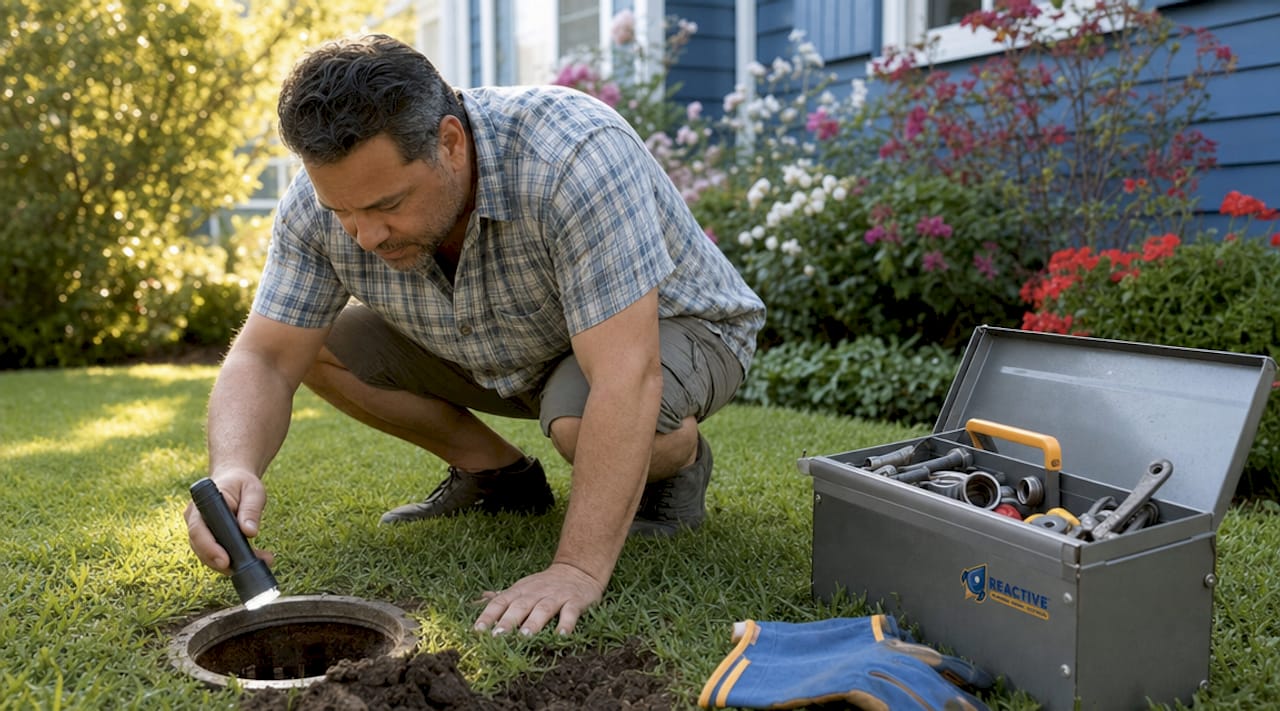
A sewer drain line is the main underground pipeline that carries all wastewater from your home’s taps, toilets, showers, and appliances to either the municipal sewer system or a septic tank. In the plumbing industry, this pipe is formally called the main sewer line or building sewer, and understanding it is one of the most practical things a homeowner can do. The main sewer line is typically 10 to 15 cm in diameter and runs anywhere from 5 to 25 metres from your home to its connection point. When this single pipe fails, every drain in the house stops working. That is why knowing what it is, how it works, and how to care for it matters so much.
What is a sewer drain line and how does it work?
The main sewer line operates entirely on gravity. Wastewater flows from your fixtures through smaller branch drain lines, which all converge into the main sewer line buried beneath your property. From there, the pipe carries everything to the street connection or septic system without any pumps involved.
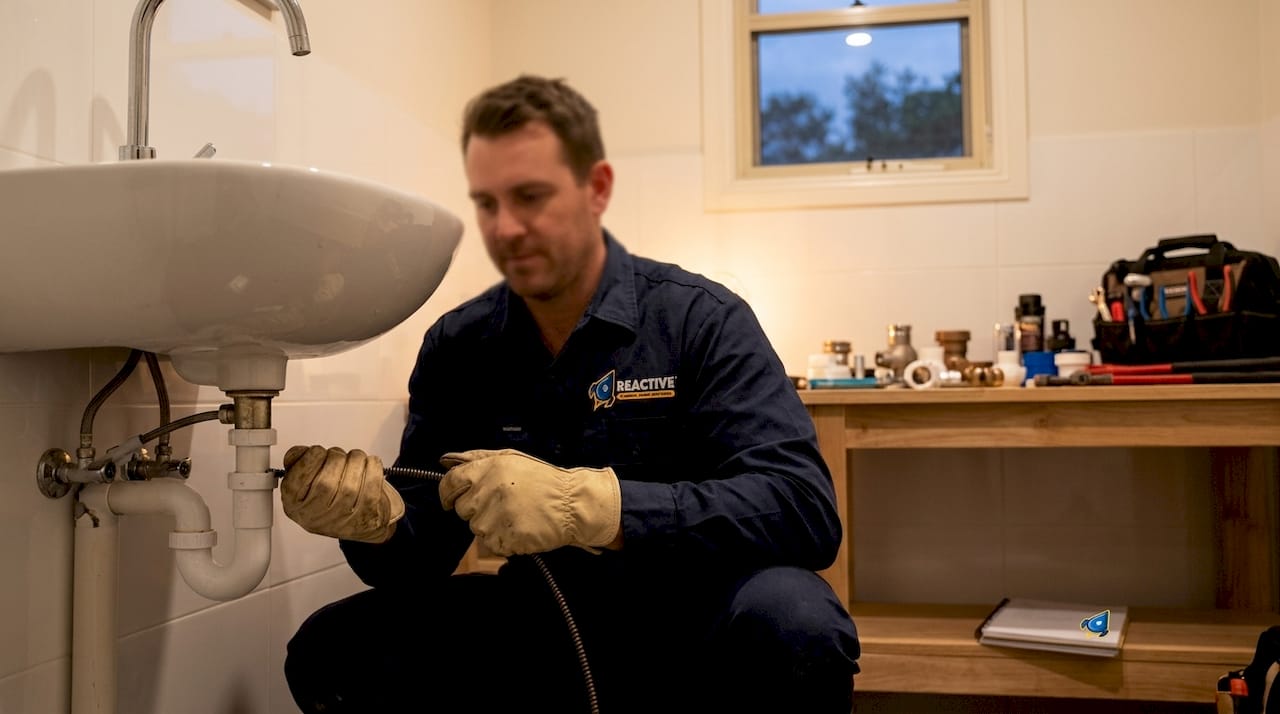
The physics only work if the pipe sits at the correct angle. Too flat, and solids settle and build up inside the pipe. Too steep, and water rushes ahead of solids, leaving debris behind to accumulate. Either deviation leads to blockages and early pipe failure.
Two other components keep the system safe and functional:
- P-traps: These U-shaped bends sit beneath every sink, shower, and bath. They hold a small amount of water that acts as a seal, blocking toxic sewer gases like methane and hydrogen sulfide from travelling back up into your home. A dry P-trap, common in a guest bathroom that rarely gets used, removes that seal entirely and becomes a silent health hazard.
- Vent pipes: These run from the drain system up through your roof. Their job is to balance air pressure inside the pipes so that water flowing through one drain does not suck the water seal out of a trap elsewhere in the house.
Pro Tip: Run the tap in any bathroom you use infrequently for about 30 seconds every few weeks. This refills the P-trap and keeps the water seal intact, blocking sewer gases from entering your home.
For a broader picture of how all these components connect, our guide on residential plumbing systems walks through the full layout in plain language.
What is the difference between a sewer drain line and other drain pipes?
This is where a lot of confusion starts, and it matters more than most homeowners realise. Drain lines and sewer lines are different systems with different functions, different sizes, and different repair approaches. Mixing up the terminology can lead to the wrong diagnosis and the wrong fix.
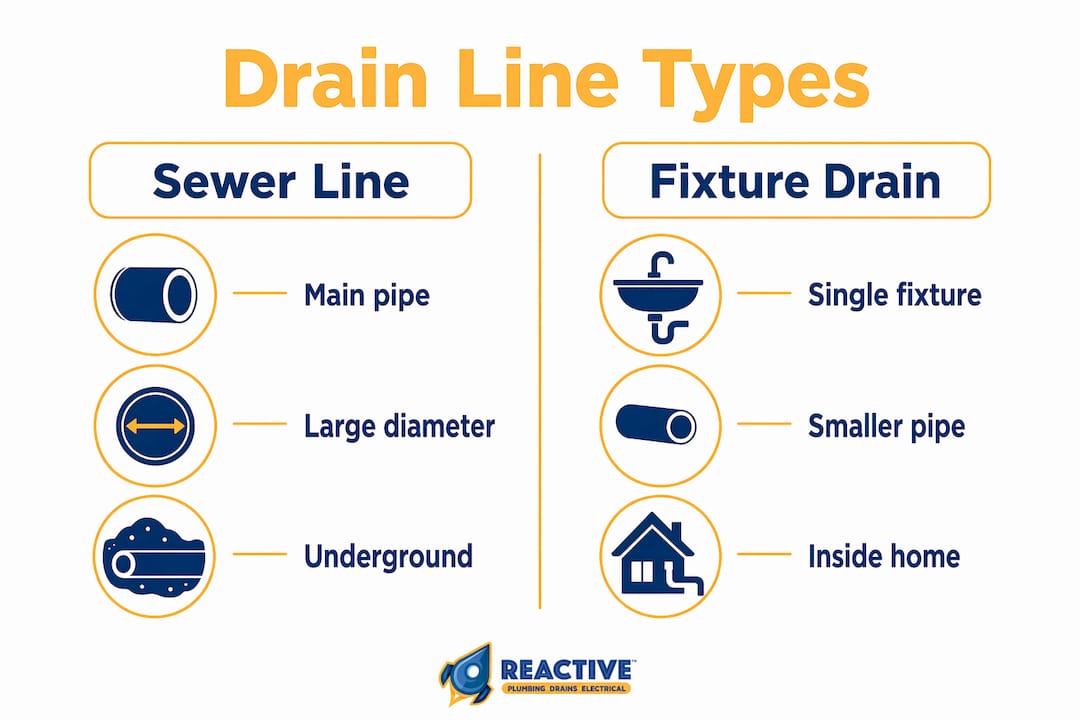
Here is how the main pipe types compare:
| Pipe type | Function | Typical diameter | Location |
|---|---|---|---|
| Fixture drain line | Carries waste from one fixture (e.g. sink, toilet) | 32 mm to 100 mm | Inside the home’s walls and floors |
| Branch drain line | Collects waste from several fixtures on one level | 75 mm to 100 mm | Inside the home, horizontal runs |
| Main sewer line | Carries all wastewater from the home to the sewer or septic | 100 mm to 150 mm | Underground, outside the home |
| Stormwater drain | Carries rainwater runoff away from the property | Varies | Underground, separate from sewer |
The key distinction is scope. A fixture drain line serves one tap or toilet. The main sewer line serves the entire property. When a single fixture drains slowly, the problem is almost certainly in that fixture’s drain line. When multiple fixtures back up at the same time, the blockage is in the main sewer line. That distinction tells you whether you are dealing with a minor inconvenience or a whole-of-property emergency.
Stormwater drains are worth mentioning separately because they are a completely separate system. They carry rainwater, not wastewater, and they must never be connected to the sewer line. Mixing the two is both illegal and a common source of serious drainage problems in older properties.
What are common issues affecting sewer drain lines?
Sewer line problems rarely appear without warning. The challenge is knowing what to look for before a slow drain becomes a sewage backup in your laundry or bathroom.
The most frequent causes of sewer line failure include:
- Tree root intrusion: Roots are drawn to the moisture and nutrients inside sewer pipes. They enter through small cracks or joints and grow until they block the pipe entirely. This is one of the leading causes of sewer line damage in established suburbs with mature trees.
- Grease and debris buildup: Cooking fats, oils, and food scraps accumulate on pipe walls over time, gradually narrowing the pipe’s internal diameter until flow is restricted.
- Pipe cracking or collapse: Older pipes made from clay or cast iron are particularly vulnerable to ground movement, corrosion, and age-related deterioration. Once a pipe cracks or collapses, raw sewage can leak into the surrounding soil.
- Incorrect pipe slope: As noted above, a gradual slowdown in drainage is often caused by an imbalance in pipe slope rather than a sudden blockage. This is frequently overlooked until the problem becomes severe.
The clearest sign of a main sewer line problem is when multiple fixtures back up at the same time. If flushing the toilet causes water to rise in the shower, or running the washing machine causes the laundry tub to overflow, the blockage is in the main line, not in any individual fixture. Knowing your sewer cleanout location is the first step toward faster diagnosis. The cleanout is a capped pipe, usually found near the house exterior or in the front yard, that gives plumbers direct access to the main line for inspection and clearing.
Other warning signs worth watching for include gurgling sounds from drains after water is used elsewhere, persistent foul odours near floor drains or in the yard, and patches of unusually lush or green grass above the sewer line’s path, which can indicate a slow leak underground.
How to maintain and repair sewer drain lines effectively
Good sewer line maintenance is mostly about consistent habits and knowing when to call in a professional. Here is a practical approach that covers both.
Everyday habits that protect your sewer line:
- Never pour cooking oils or fats down the sink. Allow them to cool and dispose of them in the bin instead.
- Use a sink strainer to catch food scraps, hair, and debris before they enter the drain.
- Flush only toilet paper down the toilet. Wet wipes, cotton pads, and paper towels do not break down and are a leading cause of blockages, even products labelled “flushable.”
- Run hot water down the kitchen sink for 30 seconds after washing dishes to help push any residual grease through the pipe.
- Flush unused bathroom P-traps regularly to maintain the water seal and prevent dry trap hazards.
When to call a licensed plumber:
Professional sewer line maintenance involves two main methods. Drain snaking uses a flexible metal auger to physically break up and remove blockages. It is effective for standard clogs caused by debris or moderate root intrusion. Hydro-jetting uses high-pressure water to scour the inside of the pipe, removing grease, scale, and roots far more thoroughly than snaking alone. Our guide on hydro jet drain cleaning explains exactly how the process works and when it is the right choice.
For pipes that are cracked, collapsed, or severely root-damaged, trenchless pipe relining offers a repair solution that avoids digging up your yard. A resin-saturated liner is inserted into the damaged pipe and cured in place, creating a new pipe within the old one. It is cost-effective, minimally disruptive, and increasingly the preferred method among licensed plumbers across Sydney, Brisbane, and the Gold Coast.
Pro Tip: Book a CCTV drain inspection every three to five years, particularly if your home is more than 20 years old or has large trees nearby. A camera inspection identifies root intrusion, pipe deterioration, and slope issues before they become expensive emergencies.
If you are unsure whether your situation calls for professional help, our article on when to call a plumber versus handling it yourself gives clear guidance on making that call.
Key takeaways
A sewer drain line is the single most critical pipe on your property, and its condition directly determines whether every drain in your home functions properly.
| Point | Details |
|---|---|
| Sewer line definition | The main sewer line carries all household wastewater to the municipal system or septic tank. |
| Correct pipe slope matters | A 1/4 inch drop per foot is required; deviations in either direction cause blockages and early failure. |
| Drain vs sewer distinction | Fixture drains serve one outlet; the main sewer line serves the whole property. Knowing the difference guides the right repair. |
| Multiple backups signal main line trouble | When several fixtures back up simultaneously, the problem is in the main sewer line, not individual drains. |
| Maintenance prevents costly repairs | Regular habits, periodic CCTV inspections, and professional hydro-jetting protect the sewer line from serious damage. |
What I have learned from years of sewer line call-outs
The most common thing I see on service calls is homeowners who have been living with a slow drain for months, assuming it is just a minor blockage in one fixture. By the time we arrive, the main sewer line is either severely restricted or has started to back up into the home. The early warning signs were there the whole time.
What surprises most people is how much of a sewer line’s health comes down to the basics. Pipe slope, trap maintenance, and keeping the wrong things out of the drain are not glamorous topics, but they account for the majority of the problems we fix. I have seen beautifully renovated kitchens with brand new cabinetry sitting above a sewer line that has not been inspected in 30 years. The pipe underneath is the infrastructure that makes everything else work.
The other misconception I encounter regularly is the idea that “drain line” and “sewer line” are interchangeable terms. They are not, and confusing the two leads homeowners to attempt DIY fixes on the wrong part of the system. Clearing a fixture drain when the main line is blocked does nothing. Understanding the difference saves time, money, and a lot of frustration.
My honest recommendation is this: find out where your sewer cleanout is located before you ever need it. Know what your pipes are made of, particularly if your home was built before the 1980s when clay and cast iron were standard. And do not wait for a backup to get a CCTV inspection. The cost of a camera inspection is a fraction of what an emergency repair or pipe replacement costs.
— Brent
Protect your sewer line with modern repair solutions
If a CCTV inspection has revealed damage to your sewer line, or if you are dealing with recurring blockages, there is a better option than tearing up your garden for a full pipe replacement.
Reactive Plumbing & Electrical specialises in pipe relining over replacement, a method that repairs damaged sewer lines from the inside without excavation. The process is faster, less disruptive to your property, and in most cases more cost-effective than traditional dig-and-replace methods. Our licensed teams operate across Sydney, Newcastle, Wollongong, Brisbane, Ipswich, and the Gold Coast, with equipment on the road and ready to respond. If you want to understand what the repair might cost, our pipe relining cost calculator gives you a clear starting point. Get in touch with Reactive Plumbing & Electrical to book an inspection today.
FAQ
What does a sewer drain line actually do?
A sewer drain line, formally called the main sewer line, carries all wastewater from your home’s fixtures to the municipal sewer system or septic tank. It is the single pipe that connects your entire plumbing system to the outside world.
How do I know if my main sewer line is blocked?
The clearest sign is multiple fixtures backing up at the same time, such as water rising in the shower when you flush the toilet. A single slow drain usually points to a fixture drain issue, not the main line.
How often should a sewer line be inspected?
A CCTV drain inspection every three to five years is a sound practice, particularly for homes over 20 years old or properties with large trees near the sewer line’s path. Regular inspections catch root intrusion and pipe deterioration early.
What is the difference between drain snaking and hydro-jetting?
Drain snaking uses a mechanical auger to break up blockages, while hydro-jetting uses high-pressure water to scour the pipe walls clean. Hydro-jetting is more thorough and better suited to grease buildup and root intrusion.
Can I repair a damaged sewer line without digging up my yard?
Yes. Trenchless pipe relining inserts a resin liner into the damaged pipe and cures it in place, creating a new pipe within the old one. It avoids excavation and is suitable for most cracked or root-damaged sewer lines.