Emergency plumber arrival expectations: what to know
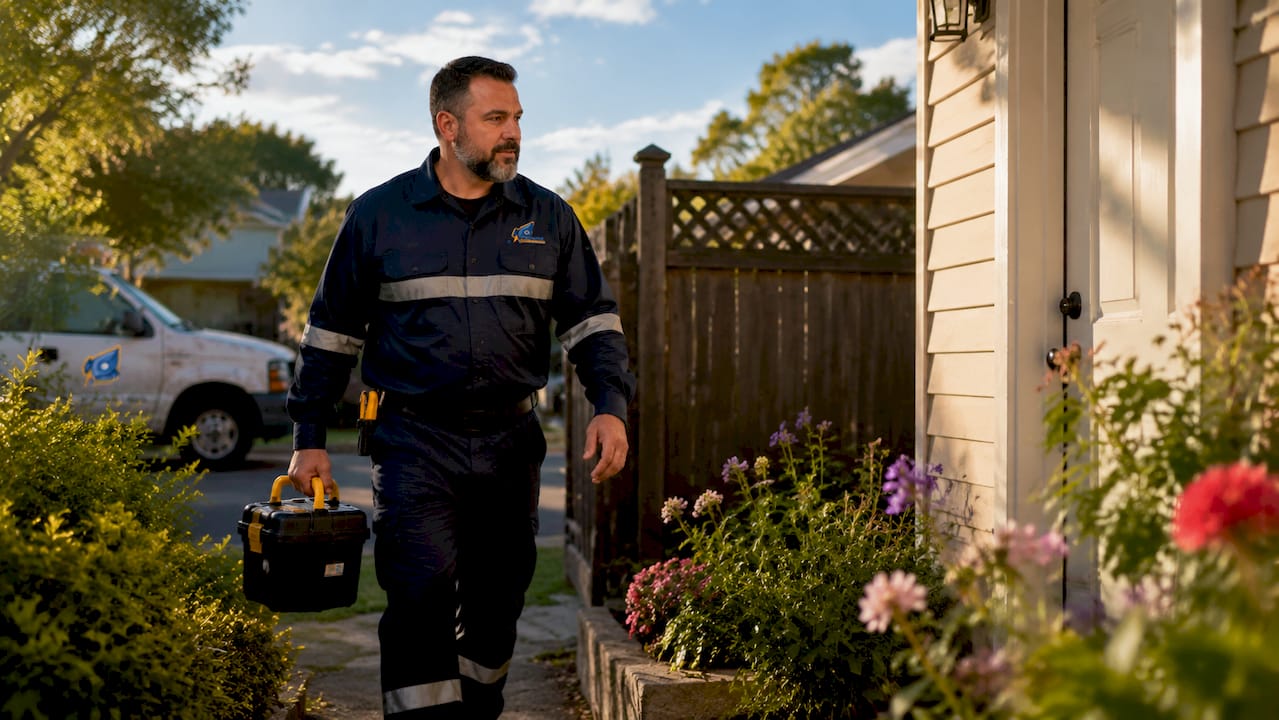
When water is pouring through your ceiling or a pipe has burst under the sink, emergency plumber arrival expectations are the first thing on your mind. In Australia, most licensed emergency plumbers aim to arrive within 30 minutes to 2 hours of your call, though that window shifts depending on your location, the time of day, and how many other jobs are in the queue. Knowing what drives that timeline, and what happens once your plumber walks through the door, helps you stay calm and make smart decisions when it matters most.
1. Typical response times you can realistically expect
Emergency plumber response time is the industry term for how long it takes a licensed technician to reach your property after you call. For most residential areas across Sydney, Brisbane, Newcastle, and the Gold Coast, arrival windows of 30 minutes to 2 hours are standard. That said, several conditions push the wait toward the longer end of that range.
Here is what typically shapes the window:
- Metropolitan areas: Plumbers based in inner suburbs of Sydney or Brisbane can often reach you within 30 to 60 minutes during business hours.
- Regional and outer suburban areas: Wollongong, Ipswich, and outer Gold Coast locations may see waits closer to 90 minutes to 2 hours, simply due to travel distance.
- After hours and weekends: Calls made after 10 pm, on weekends, or during public holidays often take longer because fewer technicians are rostered on.
- Peak demand periods: Severe storms, cold snaps, and flooding events create a surge in calls. During these periods, even well-staffed services may quote waits beyond 2 hours.
The practical implication is straightforward. If you call at 2 am on a Sunday during a storm, you should plan for the longer end of the range rather than the shorter one. That is not a failure of service. It is the reality of how dispatch prioritises across multiple simultaneous emergencies.
2. Key factors that influence how quickly a plumber can arrive
Understanding why your emergency plumbing arrival time varies helps you set realistic expectations and give dispatchers the information they need to help you faster.
Distance and technician availability are the biggest variables. Dispatch teams aim to send the closest available licensed plumber to your address. If every nearby technician is already on a job, the next closest one gets assigned. This is why the nearest available plumber is always prioritised, but cannot always be guaranteed within a fixed timeframe.
Severity of the emergency directly affects your place in the queue. Burst pipes, sewage backups, and electrical risks near water are treated as life-threatening or high-damage situations and jump the queue ahead of a slow drip or a running toilet. When you call, be specific about what is happening. “Water is actively flooding my hallway” gets a faster response than “I think I have a leak.”
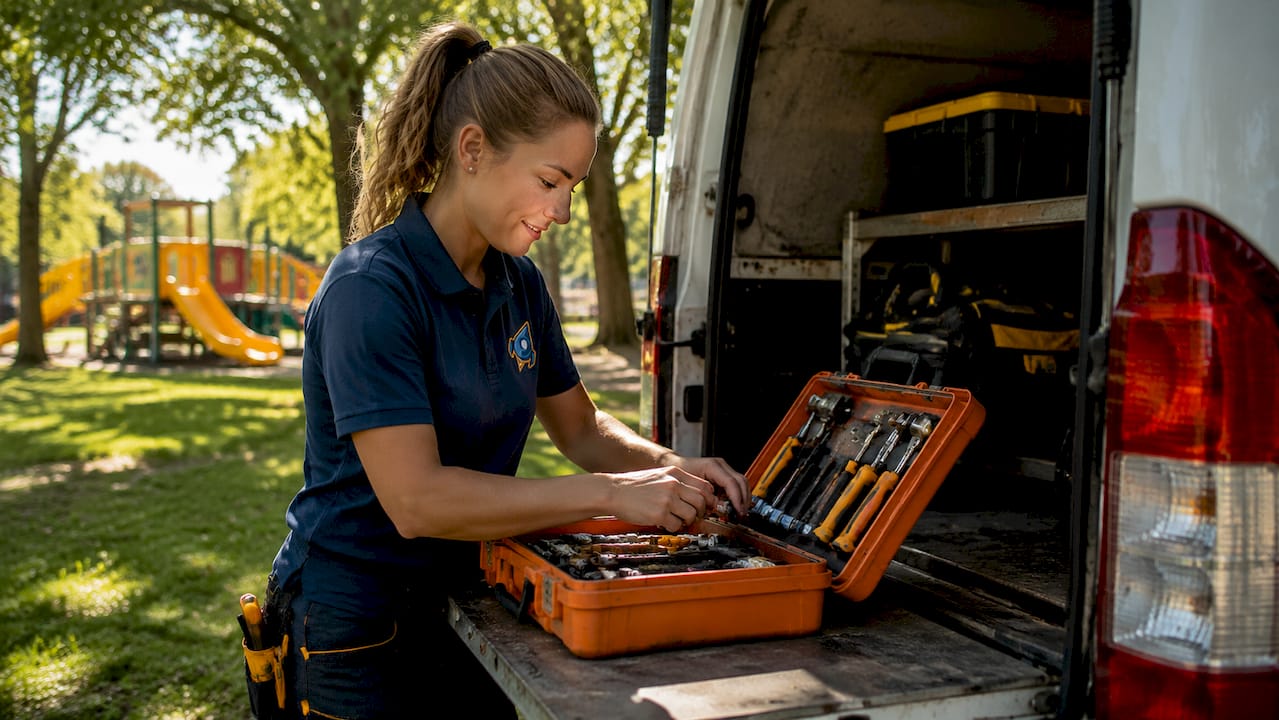
Weather and traffic conditions are factors no dispatcher can control. Heavy rain, peak-hour traffic on the M1 or Pacific Motorway, and road closures all add time to any journey. Services with a well-equipped local fleet, like Reactive Plumbing & Electrical, are better placed to route around these delays because their technicians are already spread across service areas.
Call volume matters more than most homeowners realise. A single large storm across South East Queensland can generate dozens of simultaneous emergency calls. During those periods, realistic ETAs and regular updates from your plumber’s office are a sign of a professional service, not an excuse.
Pro Tip: When you call, tell the dispatcher whether water is actively damaging your property, whether sewage is involved, and whether you have already turned off the main shut-off valve. This detail helps triage your job accurately and can move you up the queue.
3. What happens when the emergency plumber arrives
Knowing what to expect from emergency plumbers on arrival removes a lot of the stress. A licensed plumber does not walk in and immediately start pulling pipes apart. The first priority is always stabilisation, not permanent repair.
Here is the typical sequence of events:
- Initial walkthrough: The plumber assesses the full situation before touching anything. They are looking for the source of the problem, any secondary damage, and safety hazards like water near electrical points.
- Stabilisation: Stopping leaks and eliminating hazards comes before any repair work begins. This might mean isolating a section of pipe, capping a fitting, or shutting off the hot water system.
- Checking shut-off valves and pressure: The plumber confirms whether the water supply has been isolated correctly and checks pressure levels to understand the scope of the problem.
- Clear communication: A professional will explain what they have found, what the immediate fix involves, and what longer-term repairs may be needed. Reliable emergency plumbers provide upfront estimates and explain any after-hours surcharges before work begins.
- Temporary versus permanent repair: Many emergency visits result in a temporary fix that makes the property safe, with a full repair scheduled once parts are sourced or daylight allows proper access. This is standard practice, not a shortcut.
Pro Tip: Ask the plumber to walk you through their findings before they start any work. A good technician will show you the problem directly and explain your options clearly, including cost. You have every right to understand what you are paying for.
After-hours service calls typically carry a higher fee. Emergency plumbers commonly charge service call fees that reflect the timing, complexity, and location of the job. Understanding this upfront avoids surprises when the invoice arrives.
4. How to prepare while you wait for the plumber
The time between your call and the plumber’s arrival is not dead time. What you do in those minutes can significantly reduce damage to your home and make the plumber’s job faster and safer.
- Turn off the main water shut-off valve. This is the single most effective action you can take. Shutting off water, containing leaks, and managing electricity hazards reduces both damage and risk. The main valve is usually located near the water metre, often at the front of the property or under the kitchen sink.
- Contain the leak. Use towels, buckets, or a wet/dry vacuum to manage water spread. Place buckets under active drips and roll towels against door gaps to stop water moving into other rooms.
- Switch off electricity near wet areas. Water and electricity are a dangerous combination. If water is near power points, appliances, or your switchboard, turn off the relevant circuits at the main board. If you are unsure, turn off the whole board.
- Clear access paths. Move furniture, rugs, and stored items away from the affected area. The plumber needs clear access to pipes, valves, and the problem zone to work efficiently.
- Gather information for the plumber. Note when the problem started, what you heard or saw first, and whether anything unusual happened before the emergency. This helps the plumber diagnose faster. You can also review a plumbing emergency preparedness checklist to make sure you have covered all the basics.
One thing many homeowners overlook: calling early rather than waiting to see if the problem resolves itself almost always leads to better outcomes. A slow leak left for an hour while you deliberate can saturate flooring, damage cabinetry, and create mould conditions that cost far more to fix than the original plumbing repair.
5. After-hours calls and what they cost
After-hours urgent plumbing service expectations include not just a longer wait but also a higher bill. After-hours calls usually cost more due to urgency fees and reduced technician availability, with service call fees commonly ranging from $150 to $250 before any repair work begins. That figure reflects the real cost of maintaining a 24/7 roster of licensed professionals.
The cost is higher, but so is the value. A plumber who arrives at midnight to stop a burst pipe from flooding your home is preventing damage that could run into thousands of dollars. Understanding the urgency fee structure before you call means you can make an informed decision rather than a panicked one.
Ask the dispatcher about after-hours rates when you call. A reputable service will quote clearly and confirm whether the fee covers the call-out only or includes a set amount of labour. Transparency at this stage is a reliable indicator of how the rest of the job will be handled.
6. Choosing a local 24/7 plumber improves your odds
The type of plumbing service you call has a direct impact on how quickly someone arrives. A 24-hour plumber maintains a rostered team around the clock, which means there is always someone available to take your call and dispatch to your address. A standard plumbing business that offers emergency cover as a secondary service often relies on a single on-call technician, which creates longer waits and higher cancellation risk.
Local presence matters just as much as availability. A service with technicians already based across your region, whether that is Sydney’s Eastern Suburbs, Brisbane’s inner north, or the Gold Coast, can reach you faster than a centralised operation dispatching from a single depot. Reactive Plumbing & Electrical operates across Sydney, Newcastle, Wollongong, Brisbane, Ipswich, and the Gold Coast with a well-equipped local fleet, which is exactly the kind of coverage that shortens real-world arrival times.
A rapid response plumber is specifically set up for this kind of work, with stocked vehicles, licensed technicians, and dispatch systems built around urgency. That is a different proposition from a general plumber who takes emergency calls when available.
Key takeaways
Emergency plumber arrival expectations are best managed by understanding the variables that affect response time and knowing what a professional will do once they arrive.
| Point | Details |
|---|---|
| Standard arrival window | Most emergency plumbers arrive within 30 minutes to 2 hours, depending on location and conditions. |
| Severity moves you up the queue | Burst pipes, sewage backups, and water near electricity receive faster dispatch priority. |
| Stabilisation comes first | Plumbers stop leaks and eliminate hazards before beginning any permanent repair work. |
| Preparation reduces damage | Turning off the main water supply and containing leaks while you wait limits property damage significantly. |
| After-hours costs more | Service call fees are higher outside business hours; ask for a clear quote when you call. |
What I have learned about managing these moments
By Brent
After years in this industry, the thing that surprises me most is how often homeowners wait too long to call. There is a natural instinct to watch the problem for a while, to see if it gets worse, or to worry about the cost of an after-hours call. I understand that instinct completely. But in almost every case, the delay makes things worse and more expensive.
The other misconception I see regularly is the expectation that the plumber will arrive and immediately fix everything permanently. That is not how emergency plumbing works, and it should not be. A good plumber thinks like a doctor in a triage situation. The first job is to stop the bleeding, make the patient stable, and then plan the proper treatment. Expecting a full pipe replacement at midnight is like expecting surgery in an ambulance.
What I would tell any homeowner is this: call early, give the dispatcher as much detail as you can, turn off your water supply if it is safe to do so, and trust that a temporary fix done well is genuinely the right outcome for an emergency visit. The permanent repair can happen in daylight, with the right parts, and without the pressure of water actively damaging your home.
Choosing a local 24/7 service with licensed technicians and a proper dispatch system is the single biggest factor in getting a fast, reliable response. Everything else, the preparation, the communication, the realistic expectations, builds on that foundation.
— Brent
Need a fast, reliable emergency plumber?
When a plumbing emergency strikes, you need a team that is ready around the clock and close enough to arrive quickly. Reactive Plumbing & Electrical provides 24/7 emergency plumbing across Sydney, Newcastle, Wollongong, Brisbane, Ipswich, and the Gold Coast, with licensed technicians dispatched from local bases to keep arrival times as short as possible.
Beyond emergency stabilisation, we also specialise in pipe relining, a modern no-dig repair method that fixes damaged sewer and stormwater pipes without excavating your garden or driveway. If your emergency reveals a deeper pipe problem, trenchless pipe relining is often the fastest and least disruptive path to a permanent solution. Call Reactive Plumbing & Electrical any time, day or night, and we will get someone to you as quickly as possible.
FAQ
How quickly can a plumber arrive in an emergency?
Most emergency plumbers aim to arrive within 30 minutes to 2 hours of your call. The actual time depends on your location, the time of day, current call volume, and weather or traffic conditions.
What should I do while waiting for an emergency plumber?
Turn off the main water shut-off valve, contain the leak with towels or buckets, and switch off electricity near any wet areas. These steps reduce damage and make the plumber’s job safer and faster on arrival.
Will the plumber fix everything in one emergency visit?
Not always. Emergency visits often prioritise damage control and temporary fixes, with full repairs scheduled once the right parts are available or conditions allow proper access. This is standard practice for responsible emergency plumbing.
Why does an after-hours emergency plumber cost more?
After-hours calls carry higher fees because they require a rostered on-call technician outside normal business hours. Service call fees typically reflect the urgency, timing, and complexity of the job, so always ask for a clear quote before work begins.
Does the severity of my problem affect how fast a plumber arrives?
Yes. Burst pipes, sewage backups, and electrical risks near water are treated as high-priority emergencies and dispatched ahead of less urgent issues. Describing your situation accurately when you call helps the dispatcher assign the right priority.