Why drains overflow suddenly: causes and prevention
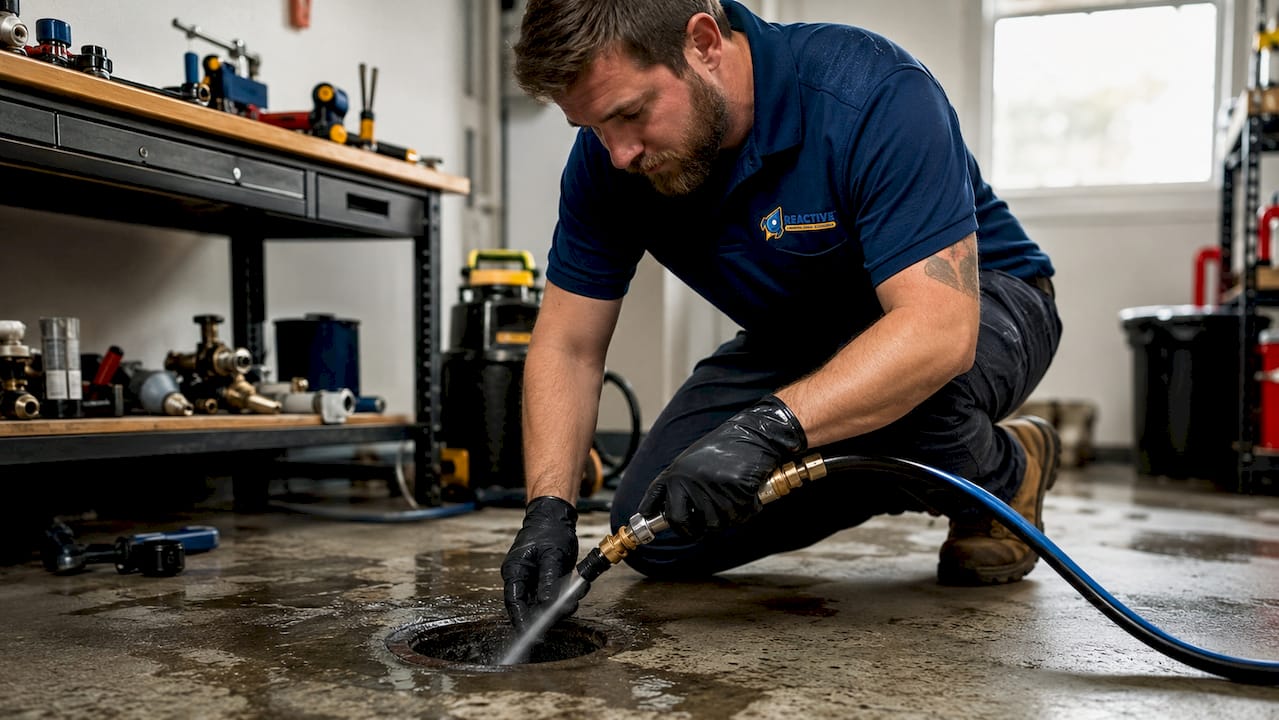
Sudden drain overflow is defined as wastewater backing up through fixtures because a blockage or pipe failure has stopped normal flow through the drainage system. Blockages and structural pipe failures force wastewater to reverse direction and exit through the lowest available outlet, which is often a shower, toilet, or floor drain. What triggers drain overflow is rarely a single dramatic event. Most overflows result from a slow build-up of debris, grease, or pipe damage that reaches a tipping point. Understanding the common causes of sudden drain overflow gives you the best chance of catching the problem early and avoiding a costly emergency.
What are the most common causes of sudden drain overflow?
Most drain blockages develop gradually through progressive narrowing caused by layers of fat, oil, grease, soap scum, and debris. What feels like a sudden overflow is usually the final stage of a slow build-up that has been narrowing the pipe for weeks or months. By the time water backs up through your shower or toilet, the blockage is already well established.
The most frequent culprits behind sudden drain blockages include:
- Fat, oil, and grease (FOG). Cooking grease poured down the kitchen sink cools and solidifies inside the pipe. It then traps food scraps and other debris, progressively narrowing the pipe until flow stops entirely.
- Flushable wipes and non-flushable products. Flushable wipes contain synthetic fibres that do not break down like toilet paper. They snag on rough pipe walls or tree roots and quickly form dense blockages.
- Tree root intrusion. Tree roots seek moisture and can crack through older clay or concrete pipes. Once inside, roots grow rapidly and catch debris, eventually blocking flow completely.
- Mineral scale and soap scum. Hard water deposits and soap residue coat the inside of pipes over time. The pipe diameter shrinks gradually until even normal water flow triggers a backup.
- Structural pipe damage. Cracked, collapsed, or misaligned pipe joints prevent wastewater from flowing forward. Older homes with clay or cast-iron pipes are particularly vulnerable to this type of failure.
Pro Tip: Pouring hot water down the drain after cooking grease does not clear the blockage. Hot water pushes grease further into cooler sections of the pipe where it solidifies and forms a more stubborn clog. Wipe excess grease into the bin before washing pots and pans.
A useful resource for understanding your home drain cleaning options covers which methods work for different blockage types and where DIY approaches fall short.
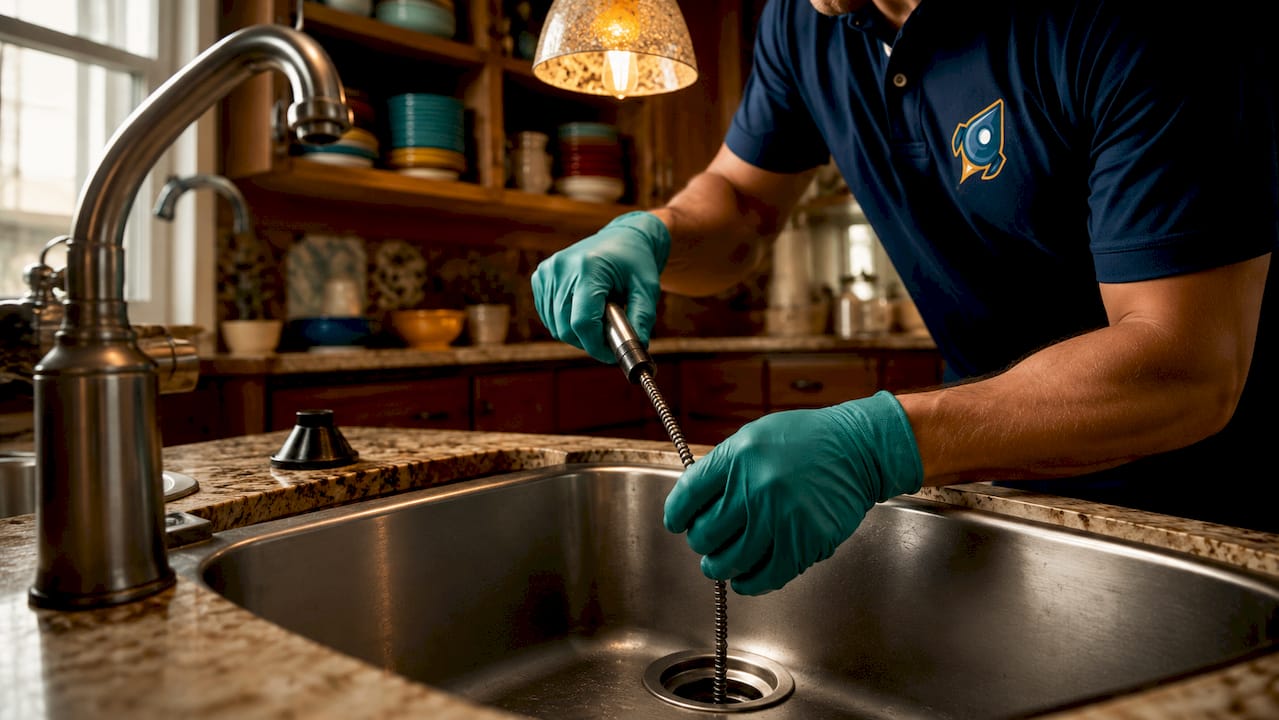
How do weather and municipal systems cause drain overflow?
External factors outside your home can trigger drainage issues just as quickly as internal blockages. Heavy rainfall is one of the most common external causes, and it works in two distinct ways.
- Soil pressure on cracked pipes. Saturated soil after heavy rain applies significant pressure to underground pipes. Existing cracks in pipes can collapse under this added load, causing a sudden blockage or complete pipe failure.
- Municipal sewer overload. During major storm events, the municipal sewer network can become overwhelmed. When the public system reaches capacity, wastewater has nowhere to go and flows back through the private connections into homes.
- Backflow into low-lying fixtures. Homes with floor drains or toilets below street level are most at risk during municipal surcharges. Sewage can enter through these low points with very little warning.
- Backflow preventers as protection. Installing a backflow preventer is the most reliable way to stop municipal sewer surcharges from entering your home. These devices allow wastewater to flow out but block it from flowing back in.
For a deeper look at how rainfall affects your plumbing, the guide on rain and plumbing problems explains the mechanisms behind weather-related backflow in Australian conditions.
What warning signs often precede sudden drain overflows?
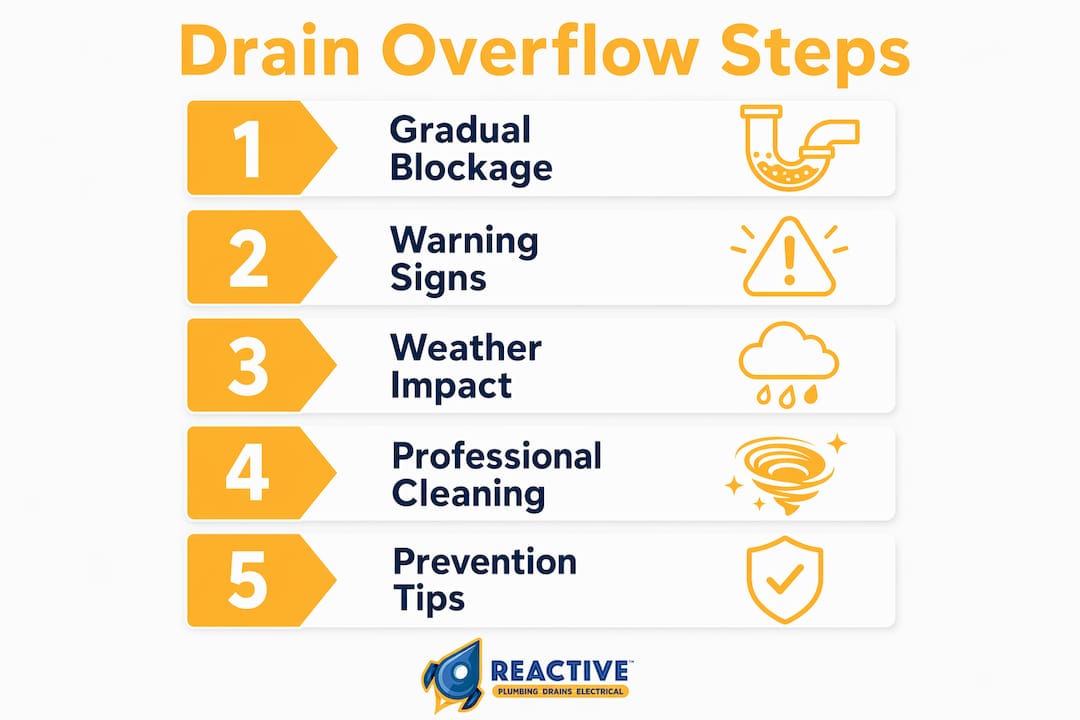
Drains rarely fail without warning. Early signs typically appear days or even weeks before a full overflow, giving you a window to act. Recognising these signs of a drain problem early can save you from significant water damage and repair costs.
The most common early warning indicators include:
- Gurgling sounds from drains or toilets. Gurgling means air is being displaced by water struggling to pass a partial blockage. It is one of the earliest and most reliable warning signs.
- Slow draining in sinks, showers, or baths. A drain that takes longer than usual to clear is showing the first signs of narrowing. Left unaddressed, slow drainage almost always progresses to a full blockage.
- Unpleasant odours near drains. Foul smells indicate trapped organic matter decomposing inside the pipe. This is a clear signal that a blockage is forming.
- Multiple drains backing up at the same time. When toilets, showers, and floor drains back up simultaneously, the problem is almost certainly in the main sewer line rather than a single fixture. This is a serious situation that requires immediate professional attention.
Pro Tip: If you notice gurgling from your toilet when you run the kitchen tap, that cross-fixture symptom points directly to a main sewer line issue. A CCTV drain inspection is the most accurate way to confirm the cause and location of the blockage before it becomes an overflow.
How can property owners and tenants prevent sudden drain overflows?
Prevention is far less expensive than emergency repairs. The following steps address the most common causes of drain overflow and reduce the risk of being caught off guard.
- Schedule regular professional drain cleaning. High-pressure jet blasting clears FOG build-up, scale, and debris from inside pipes before they cause a blockage. Annual cleaning is a sensible baseline for most homes, and more frequent servicing suits older properties.
- Dispose of grease in the bin, not the drain. Collect cooking fat in a container and discard it with solid waste. This single habit eliminates the most common cause of kitchen drain blockages.
- Never flush wipes, even those labelled “flushable.” Only toilet paper and human waste belong in the toilet. Wipes, cotton pads, and paper towels all cause blockages.
- Book a CCTV inspection for older homes. A CCTV survey locates blockages and structural failures inside pipes with precision. Homes built before the 1980s often have clay or cast-iron pipes that are prone to cracking and root intrusion. Knowing the condition of your pipes before a problem occurs is far better than reacting after an overflow.
- Install a backflow preventer if you are in a flood-prone area. This is a one-time installation that protects your home from municipal sewer surcharges during heavy rain events.
- Use a drain strainer in showers and baths. A simple mesh strainer catches hair and soap before they enter the pipe. Clean it weekly.
- Keep a plumbing maintenance checklist. A home plumbing maintenance checklist helps you track inspections, cleaning schedules, and any changes in drain performance over time.
For guidance on handling a blocked kitchen drain specifically, the step-by-step advice on clearing a blocked kitchen drain covers safe DIY approaches and when to call a professional.
When should you call a professional for drain overflow?
Some drainage issues are within the reach of a confident homeowner. A slow-draining single sink can often be cleared with a plunger or a drain snake. However, several situations require a licensed plumber with specialist equipment.
- Multiple fixtures backing up at once. This signals a main sewer line problem. DIY methods are insufficient for main sewer line issues and can make the situation worse.
- Recurring blockages in the same location. If a drain blocks repeatedly after clearing, a structural problem such as a root intrusion or pipe collapse is likely. Clearing the blockage without addressing the cause is only a temporary fix.
- Sewage odour inside the home. This indicates a serious blockage or pipe failure that poses a health risk. Professional intervention is required immediately.
- Overflow after heavy rain. Backflow from the municipal system needs a licensed plumber to assess and install appropriate protection.
When a professional attends, they will typically use high-pressure jet blasting to clear the blockage and a CCTV camera to inspect the pipe condition. If the pipe is structurally damaged, trenchless pipe relining is often the most practical repair method. Relining inserts a new pipe liner inside the existing pipe without excavation, which avoids tearing up gardens, driveways, or flooring. For a full overview of what to expect during an urgent callout, the guide on emergency drain clearing walks through the process step by step. You can also find a useful 24-hour plumbing emergency checklist that covers what to do while you wait for a plumber to arrive.
Key takeaways
Sudden drain overflow is almost always the end result of a progressive blockage or structural pipe failure that went undetected, not a random event.
| Point | Details |
|---|---|
| Blockages build gradually | FOG, wipes, and scale narrow pipes over time before causing a sudden overflow. |
| Multiple drains backing up | Simultaneous backups across fixtures signal a main sewer line problem, not a localised clog. |
| Weather worsens existing damage | Heavy rain saturates soil and overloads municipal sewers, triggering backflow into homes. |
| Early warning signs exist | Gurgling sounds, slow drainage, and foul odours appear before a full overflow occurs. |
| Prevention beats emergency repairs | Regular jet blasting, CCTV inspections, and correct disposal habits significantly reduce overflow risk. |
What I have learned after years of drain callouts
by Brent
The thing that surprises most property owners is how predictable drain overflows actually are once you know what to look for. In my experience, the overflow itself is rarely the start of the problem. It is the end of a story that began weeks or months earlier with a slow drain or an occasional gurgle that got ignored.
The biggest misconception I see is that a drain clearing job fixes the problem permanently. It often does not. If tree roots or a collapsed pipe section caused the blockage, clearing it without a CCTV inspection just buys you a few more weeks before the same thing happens again. A camera survey is not an upsell. It is the only way to know whether you have a clearable blockage or a structural failure that needs relining.
The other thing worth saying plainly: hot water and chemical drain cleaners are not solutions for grease blockages. Grease relocates further down the pipe and hardens. I have seen pipes that looked clear at the trap but were almost completely sealed 2–3 metres further along because of repeated hot-water flushing. Scrape the pan into the bin. That is genuinely the most effective prevention I can offer.
Proactive maintenance, particularly an annual jet blast and a CCTV check every few years for older homes, is the difference between a routine service call and a flooded bathroom at 11 o’clock on a Sunday night.
— Brent
Reactive Plumbing & Electrical: fast, expert drain solutions
When a drain overflow hits, the speed and quality of the response matters. Reactive Plumbing & Electrical provides licensed drain clearing, CCTV inspections, and pipe relining services across Sydney, Newcastle, Wollongong, Brisbane, Ipswich, and the Gold Coast.

Our team uses high-pressure jet blasting to clear blockages and CCTV cameras to diagnose the root cause accurately. Where pipes are structurally damaged, we offer trenchless pipe relining as a no-dig repair method that restores full pipe function without excavation. If you want to understand the costs involved before committing, our pipe relining cost calculator gives you a clear starting point. Contact Reactive Plumbing & Electrical for a prompt, professional assessment and get your drainage sorted properly the first time.
FAQ
Why do drains overflow suddenly with no warning?
Most sudden overflows are the final stage of a gradual blockage that built up over time. Early signs like slow drainage and gurgling are often missed, making the overflow appear unexpected.
What causes multiple drains to back up at the same time?
Multiple drains backing up simultaneously indicates a blockage or failure in the main sewer line rather than a single fixture. This requires professional diagnosis and cannot be resolved with household tools.
Can heavy rain cause a drain to overflow inside the house?
Yes. Saturated soil increases pressure on cracked underground pipes, and overloaded municipal sewer systems can force wastewater back through household connections. A backflow preventer is the most reliable protection against this.
Are flushable wipes safe to flush?
No. Flushable wipes contain synthetic fibres that do not break down in pipes. They are a leading cause of severe sewer blockages and should always be disposed of in the bin.
How often should I have my drains professionally cleaned?
Annual professional drain cleaning is a sound baseline for most homes. Older properties with clay or cast-iron pipes benefit from more frequent servicing and a CCTV inspection every few years to monitor pipe condition.