Types of stormwater drainage solutions for your property
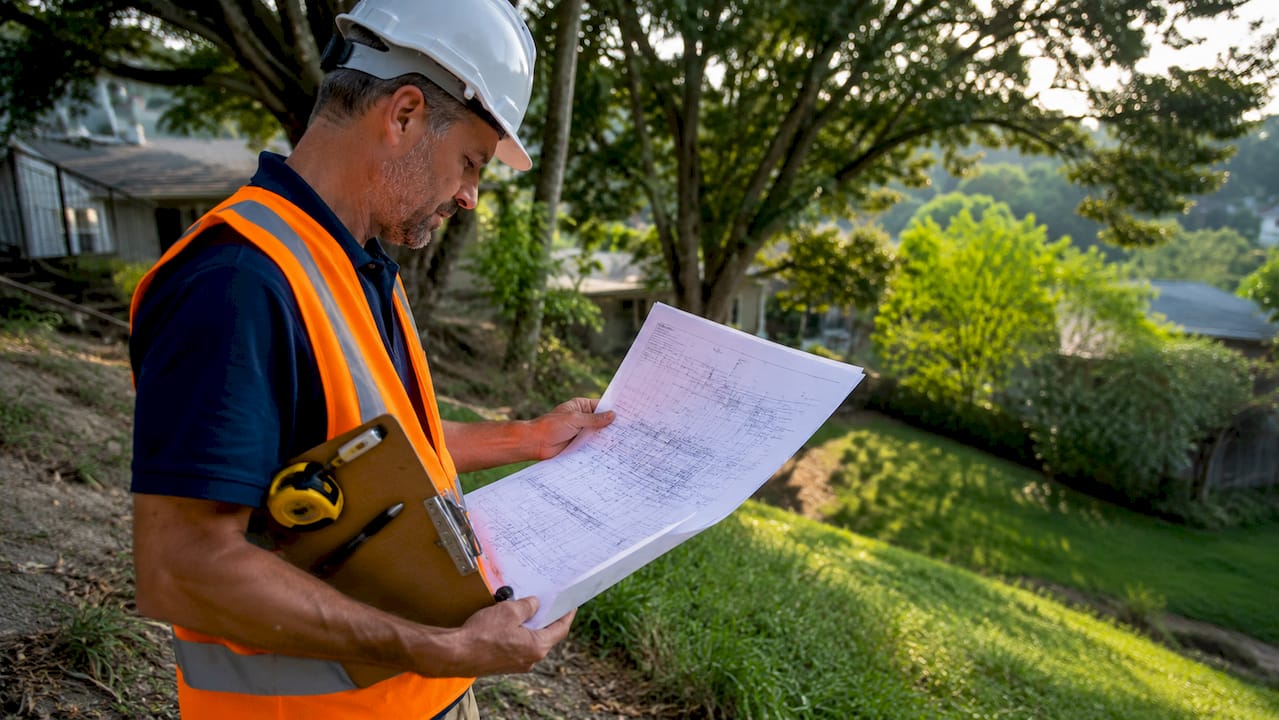
Stormwater drainage solutions are engineered systems designed to collect, convey, and treat runoff to reduce flooding and protect water quality on your property. Whether you manage a suburban home in Sydney or a commercial site on the Gold Coast, choosing the right drainage system type makes the difference between a dry property and a waterlogged one. This article covers the main types of stormwater drainage solutions, from traditional surface drains to modern green infrastructure, so you can make a confident, informed decision.
1. What are the main types of stormwater drainage systems?
Stormwater management systems fall into two broad categories: surface drainage and subsurface drainage. Most properties use a combination of both. Understanding each type helps you identify what your site needs before calling a professional.
Surface drainage systems move water across the ground and into collection points. Common examples include:
- Swales: Shallow, grassed channels that slow and redirect runoff across a property
- Gutters and downpipes: Direct roof runoff away from foundations and into the drainage network
- Kerb inlets: Street-level openings that capture road runoff and channel it into underground pipes
- Open drains: Concrete or earthen channels used on larger properties and rural blocks
Subsurface drainage systems move water underground, away from the surface. These include:
- French drains: Perforated pipes wrapped in gravel and geotextile fabric, buried to intercept groundwater and slow-moving surface water
- Trench drains: Linear grated channels set into paved surfaces, ideal for driveways, patios, and carparks
- Underground detention tanks: Large buried tanks that store peak runoff and release it slowly into the stormwater network
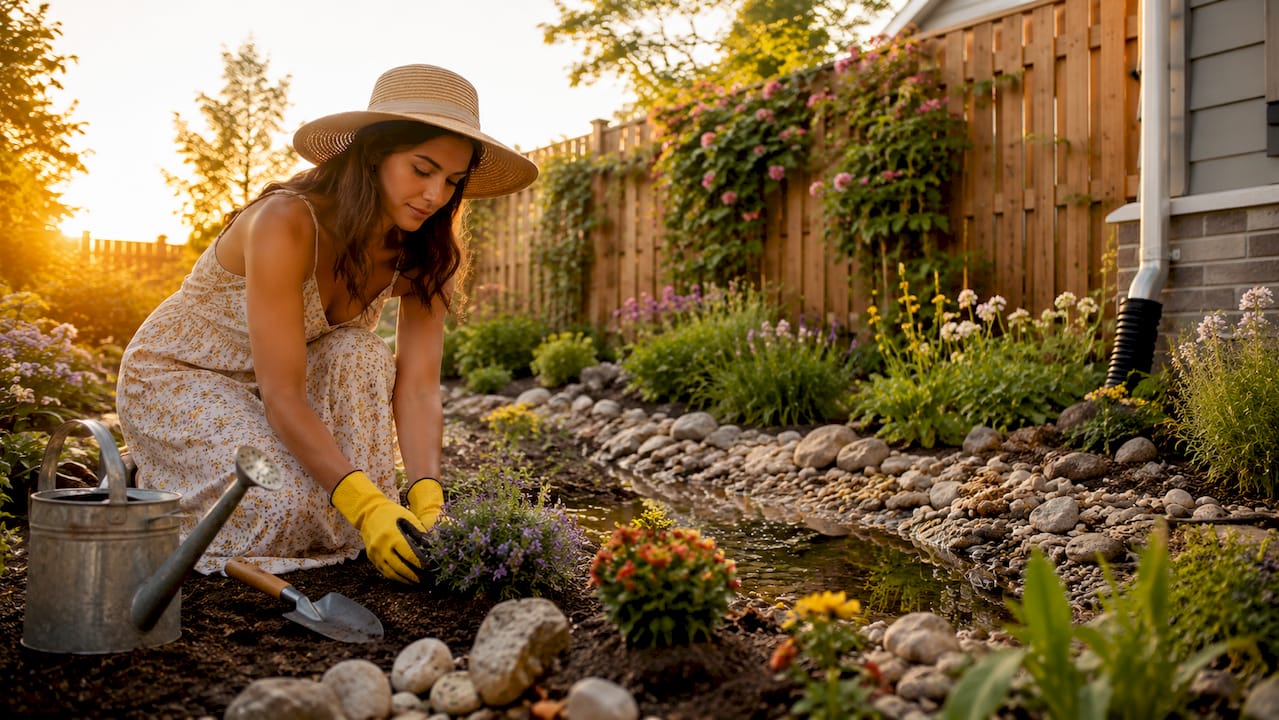
Green infrastructure options are growing in popularity across Australian cities. Rain gardens, bioretention basins, and permeable paving all allow water to soak into the ground naturally, reducing runoff volume and filtering pollutants before water reaches waterways. Effective stormwater control requires both quantity management and quality treatment, and green infrastructure delivers both in a single system.
2. How do advanced stormwater treatment technologies improve drainage?
Modern stormwater treatment goes well beyond a simple pit and pipe. Advanced filtration systems now target the pollutants that traditional drains miss entirely, including oils, nutrients, heavy metals, and fine sediment.
Hydro-filtration systems remove over 85% of total suspended solids from stormwater runoff. That figure matters because fine sediment carries attached pollutants directly into creeks and harbours when left untreated. Products like the Hydroworks HydroFilter and HydroDome from Brentwood Industries act as pretreatment devices, capturing gross pollutants and sediment before water reaches infiltration or bioretention systems downstream.
The most effective approach uses a treatment train, which means combining a pretreatment device with a secondary infiltration or filtration system. This prevents clogging and extends the working life of the downstream system significantly. Without pretreatment, bioretention basins and infiltration trenches can fail within a few seasons.
Key benefits of advanced treatment technologies include:
- Pollutant removal: Oils, nutrients, and sediments are captured before entering waterways
- System longevity: Pretreatment reduces maintenance frequency on downstream components
- Regulatory compliance: Many councils now require measurable water quality outcomes for new developments
- Flexibility: Modular filter units can be retrofitted into existing pit and pipe networks
Pro Tip: If you are installing a rain garden or bioretention basin, always include a gross pollutant trap or sediment forebay as the first stage. Skipping pretreatment is the single most common reason these systems fail early.
3. What factors should you consider when choosing a drainage solution?
Selecting the best stormwater drainage solution for your property is not a one-size-fits-all decision. Several site-specific factors determine which system will perform reliably over the long term.
1. Soil permeability and groundwater depth
Infiltration-based systems like French drains and rain gardens only work where soil can absorb water. Sandy soils drain quickly; clay soils do not. If your groundwater table sits close to the surface, infiltration systems can cause waterlogging rather than fix it. A simple percolation test tells you whether your soil is suitable before you invest.
2. Available space
Large properties can accommodate swales, bioretention basins, and underground tanks. Compact urban blocks often need compact solutions like trench drains, slimline detention tanks, or permeable paving. Space constraints frequently drive the choice between green and grey infrastructure.
3. Rainfall intensity and recurrence intervals
Stormwater systems are designed using runoff modelling for 2, 5, 25, and 100-year rainfall events. A system sized only for minor storms will overflow during a significant rain event. Ask your engineer or plumber which design storm your system is built to handle.
4. Water quality requirements
Some councils and state authorities mandate specific pollutant removal targets for new developments and major renovations. Check your local development approval conditions before selecting a system.
5. Maintenance access and schedule
Without documented maintenance schedules, sediment buildup causes system failure within a few years even with perfect design. Choose systems you can realistically inspect and clean, or that a licensed plumber can service easily.
6. Hybrid system potential
Hybrid designs combining green and grey infrastructure balance water quality, peak flow management, and cost. A bioretention basin paired with an underground detention vault, for example, handles both the slow-release water quality function and the peak flow storage function in one integrated system.
Pro Tip: Before committing to any drainage solution, have a licensed plumber run a CCTV inspection of your existing stormwater pipes. Upgrading your surface drainage while ignoring a cracked or blocked underground pipe is like fitting new gutters on a leaking roof.
4. How do different drainage methods compare in cost, maintenance, and performance?
Not every drainage solution suits every budget or property type. Here is a practical comparison of the most common options.
| Drainage method | Typical cost | Maintenance frequency | Pollutant removal | Best suited for |
|---|---|---|---|---|
| Surface swales | Low | Annual mowing and inspection | Low to moderate | Large properties, rural blocks |
| French drain | Low to moderate | Every 3–5 years | Low | Waterlogged gardens, sloped sites |
| Trench drain | Moderate | Annual cleaning | Low | Driveways, paved areas |
| Rain garden / bioretention | Moderate | Twice yearly inspection | High | Suburban gardens, street verges |
| Underground detention tank | Moderate to high | Annual inspection | Low (quantity only) | Urban blocks, council requirements |
| Permeable paving | Moderate to high | Annual vacuum sweeping | Moderate | Driveways, carparks, paths |
| Advanced filter systems | High | Quarterly to annual | Very high | New developments, sensitive catchments |
Stormwater reuse systems carry levelised costs of $0.06–$0.20 per cubic metre, with energy consumption of 0.3–0.8 kWh per cubic metre depending on treatment complexity. That cost range makes reuse systems genuinely competitive with mains water for garden irrigation and toilet flushing.
Point drainage requires deep excavation and shoring, while channel drainage uses shallower excavation. That difference in excavation depth directly affects installation cost and disruption to your property. On sites with existing underground utilities, channel drainage is often the safer and cheaper choice.
Key maintenance considerations across all system types:
- Catch basins and gross pollutant traps need clearing after major storm events
- Filter media in advanced systems requires replacement every 5–10 years
- Permeable paving loses permeability if fine sediment is not vacuumed regularly
- French drains can be flushed with hydro jet cleaning to restore flow capacity
5. Which drainage solutions work best in different property scenarios?
The right drainage solution depends heavily on your specific situation. Here is a practical guide to matching system types to common property scenarios.
Small residential gardens in Sydney or Brisbane
Compact properties benefit most from trench drains along driveways and paved areas, combined with a small rain garden in a low-lying corner of the yard. Permeable paving on the driveway reduces runoff volume without requiring any additional land area.
Large properties and acreage blocks
Swales are the most cost-effective solution for directing water away from buildings across large areas. Pair swales with an underground detention tank near the house to manage peak flows during heavy rain. If you want to harvest rainwater for reuse, connect the tank to a first-flush diverter and filtration system.
Urban properties with space limitations
Slimline underground tanks fit under driveways and do not consume garden space. Modular bioretention cells can be installed in narrow planter strips along fences or property boundaries. These are increasingly common in inner-city Sydney and Melbourne streetscapes.
Properties prone to heavy rainfall or flooding
If your property floods regularly, the problem is often a blocked stormwater drain rather than an undersized system. Before installing new infrastructure, clear and inspect the existing network. If pipes are cracked or collapsed, relining them restores capacity without excavation.
Properties integrating water self-sufficiency goals
Homeowners interested in reducing mains water reliance can connect stormwater collection to home water management systems, using treated runoff for garden irrigation, toilet flushing, and laundry.
Key takeaways
Effective stormwater management requires matching the right drainage system type to your site conditions, rainfall intensity, and water quality goals.
| Point | Details |
|---|---|
| Match system to soil type | Infiltration-based systems only work in permeable soils; clay sites need detention or surface drainage. |
| Use a treatment train | Combine pretreatment devices with bioretention or infiltration to prevent clogging and extend system life. |
| Design for the right storm | Size your system for 25-year or 100-year rainfall events, not just minor showers. |
| Schedule regular maintenance | Sediment buildup causes failure within a few years without documented inspection and cleaning schedules. |
| Consider hybrid systems | Combining green and grey infrastructure delivers better water quality and peak flow outcomes than either alone. |
What I have learned from years of stormwater drainage work
After working on drainage systems across Sydney, Brisbane, and the Gold Coast, the pattern I see most often is this: homeowners invest in new surface drainage and ignore the underground pipes that carry the water away. The surface system works perfectly until the first big storm, and then everything backs up because the underground network is cracked, root-invaded, or simply undersized.
The second thing I have learned is that green infrastructure is not just a council requirement to tick off. A well-designed rain garden genuinely improves a property. It handles water quality, reduces peak flows, and looks better than a concrete pit. The catch is that it needs maintenance. I have seen beautiful bioretention basins turn into weed-filled mud pits within two years because nobody cleaned the inlet or replaced the mulch layer.
My honest recommendation is to think of your stormwater system the way you think of your car. You would not drive for five years without a service. Your drainage network deserves the same attention. A CCTV inspection every few years, a jet blast of the pipes when they slow down, and a quick check of your surface inlets after major storms will keep most systems running well for decades.
The properties that handle flooding best are almost always the ones with a hybrid approach: some green infrastructure to slow and filter water, and a solid grey infrastructure backbone to move large volumes quickly when it really pours. Neither approach alone is enough.
— Brent
How Reactive Plumbing & Electrical can help with your drainage
If you are dealing with a flooded yard, slow-draining pits, or cracked underground stormwater pipes, Reactive Plumbing & Electrical has the tools and experience to fix it properly. Our licensed plumbers service Sydney, Newcastle, Wollongong, Brisbane, Ipswich, and the Gold Coast, and we carry CCTV inspection equipment on every van.
For damaged or deteriorating stormwater pipes, trenchless pipe relining is our preferred solution. It restores full pipe capacity without digging up your garden or driveway, and it costs significantly less than traditional pipe replacement. You can also use our pipe relining cost calculator to get a rough estimate before we visit. Call us any time, including after hours, and we will get your drainage sorted.
FAQ
What is the most common type of stormwater drainage for homes?
Surface drainage systems, including gutters, downpipes, and trench drains, are the most common residential drainage options. Most homes also have an underground pit and pipe network connecting to the council stormwater system.
How often should stormwater drains be cleaned and inspected?
Most residential stormwater systems need inspection every 1–2 years and cleaning after major storm events. Systems with filter media or bioretention components require more frequent checks, typically twice yearly.
Can I install a rain garden on a clay soil property?
Yes, but the design needs to account for poor infiltration. A rain garden on clay soil requires an overflow outlet and a drainage layer of coarse sand or gravel beneath the growing medium to prevent waterlogging.
What is a treatment train in stormwater management?
A treatment train is a series of stormwater treatment devices installed in sequence, where each stage removes different pollutants. A typical train combines a gross pollutant trap, a sediment basin, and a bioretention filter to achieve high overall pollutant removal.
When should I consider pipe relining for my stormwater system?
Pipe relining is the right choice when a CCTV inspection reveals cracks, root intrusion, or joint failures in underground stormwater pipes. It restores full flow capacity without excavation and is suitable for most pipe diameters found in residential properties.