
Smoke alarm replacement: a complete guide for homeowners
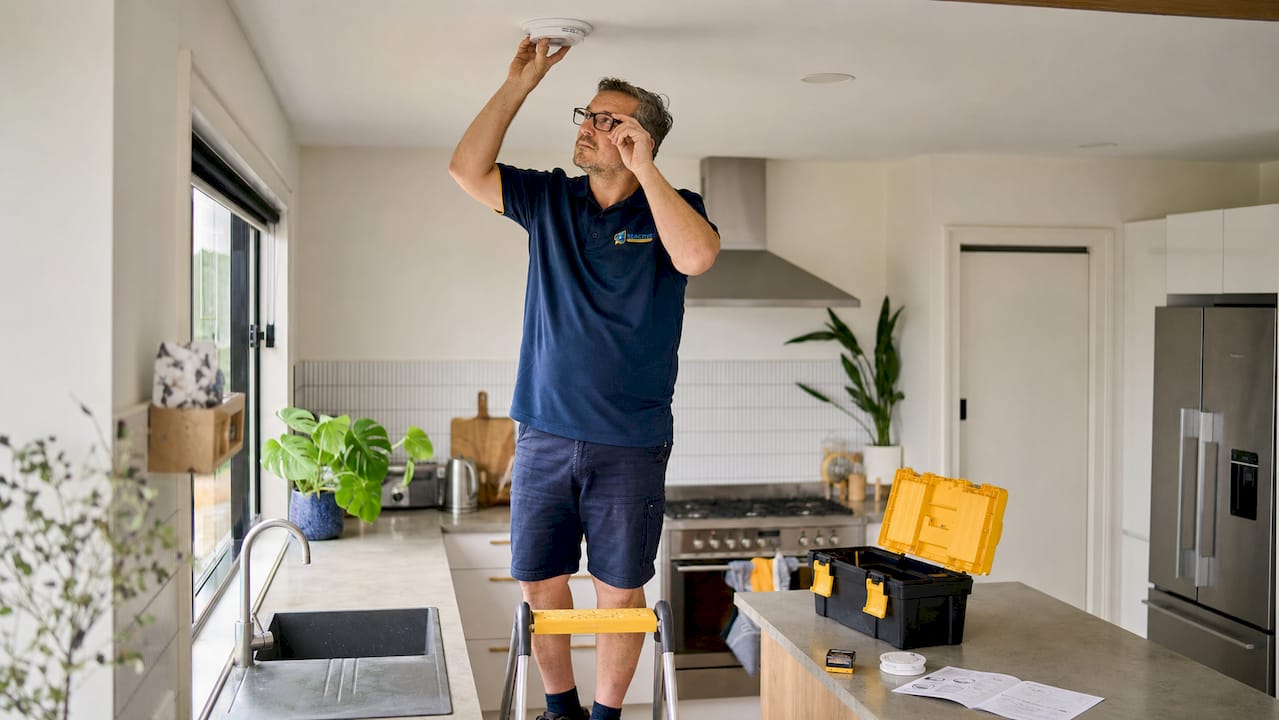
Smoke alarm replacement is defined as the process of removing an expired or faulty smoke detector and installing a compliant, fully functional unit to maintain reliable fire detection in your home. In Australia, the recognised industry term is “smoke alarm” rather than “smoke detector,” though both refer to the same device. Most alarms must be replaced every 10 years to ensure the internal sensor remains accurate. A working smoke alarm can halve your risk of dying in a house fire. Whether you own your home or rent it, understanding when and how to replace your alarms is one of the most straightforward safety steps you can take.
When should you replace a smoke alarm?
*** YOU ARE REQUIRED BY LAW TO HAVE INTERCONNECTED SMOKE ALARMS INSTALLED BY JAN 1ST 2027 ***
Knowing when to act is the first part of getting this right. Age is the primary factor determining whether a smoke alarm needs replacing, even if it still passes a button test. Sensors degrade silently over time, and an alarm that beeps on command may still fail to detect real smoke.
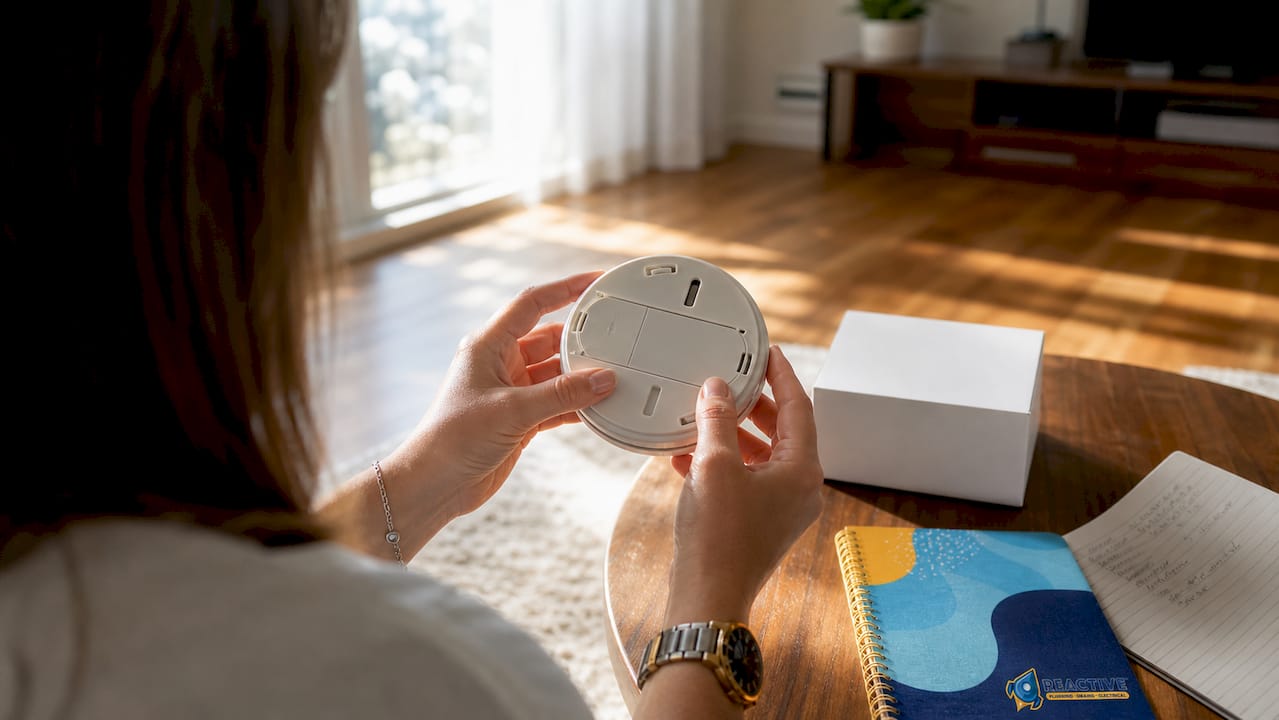
Flip your alarm over and look for the manufacture date printed on the back. If it is more than 10 years old, replace it regardless of how it seems to be performing.
Beyond age, watch for these clear warning signs:
- Failed test: Press the test button and hear nothing, or a weak sound. The alarm needs replacing now.
- Persistent chirping after a fresh battery: A single chirp every 30–60 seconds after a new battery is fitted signals end-of-life sensor failure, not a battery issue.
- Physical damage: Cracks, discolouration, or insect infestation inside the unit compromise reliability.
- Nuisance alarms: Frequent false triggers from a unit away from the kitchen or bathroom suggest a failing sensor.
Tenant and landlord responsibilities
Responsibilities differ depending on whether you rent or own. Tenants are responsible for testing alarms monthly, replacing batteries when needed, reporting faults to the landlord promptly, and allowing access for repairs. The landlord carries responsibility for replacing a defective unit or any replacement that goes beyond a simple battery swap. If your alarm is chirping after a new battery and you rent, notify your landlord in writing and keep a copy for your records.
Pro Tip: Write the installation date on a small sticker and place it inside the battery compartment. You will always know exactly how old the unit is without hunting for the manufacture stamp.
How do you identify your smoke alarm type before replacing it?
Choosing the wrong replacement is one of the most common mistakes homeowners make. Matching power type and interconnect capabilities is vital to avoiding nuisance alarms and unreliable operation. Before you buy anything, identify what you currently have.
There are three main types found in Australian homes:
| Type | Power Source | Interconnect Capable | Replacement Consideration |
|---|---|---|---|
| Battery-only (replaceable) | 9V or AA batteries | Some models | Straightforward DIY swap |
| Sealed 10-year battery | Built-in lithium battery | Some models | Replace whole unit at end of life |
| Hardwired with battery backup | 240V mains + battery | Yes, via wiring | Requires licensed electrician |
Look at the back of your current alarm. If you see wiring terminals or a wiring harness connector, the unit is hardwired. If it runs purely on batteries, it is a standalone battery unit. Interconnected systems link multiple alarms so that when one detects smoke, all alarms in the home sound together. This is the standard required in new builds and renovations across most Australian states.
Australian Standard AS 3786 governs smoke alarm performance. Your replacement unit must carry this certification. Check the packaging before purchasing.
Pro Tip: Take a photo of the back of your old alarm before removing it. The model number, wiring layout, and interconnect type are all visible, making it much easier to find a compatible replacement at the hardware store.
How to replace a battery-operated smoke alarm
Replacing a battery-powered alarm is a straightforward job most homeowners and tenants can handle safely. Gather what you need before you start.
What you will need:
- A replacement alarm certified to AS 3786 (brands such as Clipsal, Ei Electronics, or Brooks are widely available in Australia)
- A Phillips head screwdriver
- A step ladder
- Fresh batteries matching the new unit’s requirements
Step-by-step installation
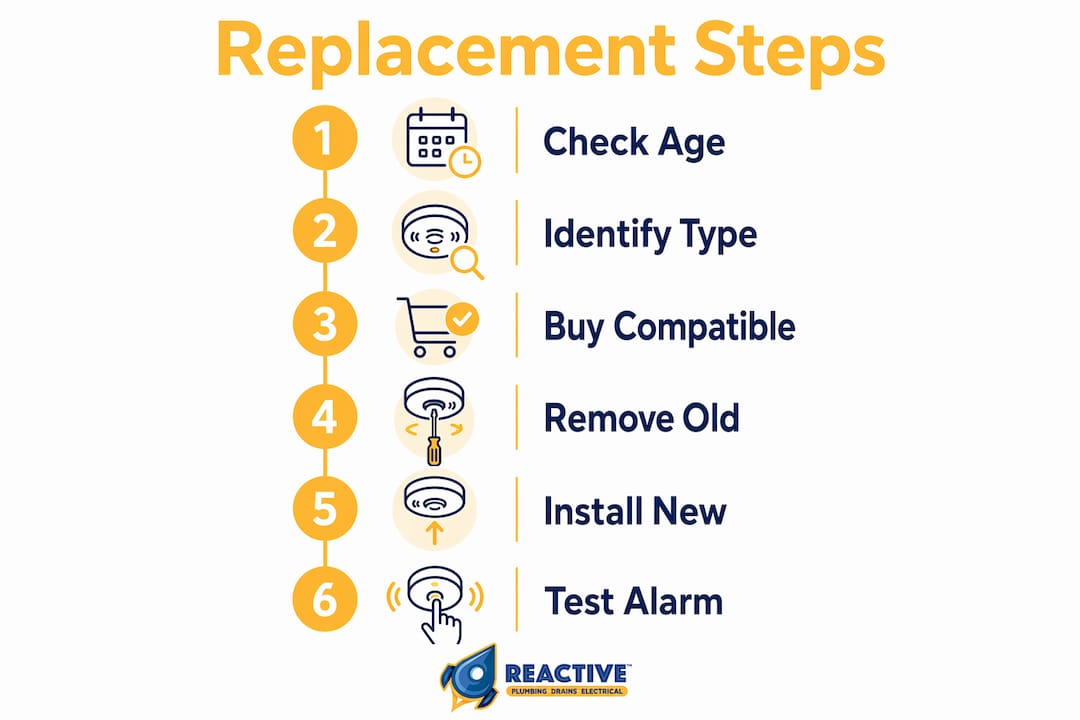
- Test the old alarm first. Press the test button to confirm it is the unit at fault, not a wiring issue elsewhere.
- Twist or slide the old alarm off its mounting bracket. Most units rotate anticlockwise to release. The bracket stays on the ceiling.
- Remove the old batteries and set the unit aside for proper disposal. Many councils accept old electronics at e-waste drop-off points.
- Check the mounting bracket. If it is in good condition and compatible with your new alarm, reuse it. If not, remove it and fit the new bracket using the supplied screws.
- Insert fresh batteries into the new alarm before mounting. This avoids climbing the ladder twice.
- Attach the new alarm to the bracket by aligning and rotating clockwise until it clicks firmly into place.
- Press the test button and hold it for three to five seconds. A loud, continuous alarm tone confirms the unit is working.
Install smoke alarms inside every bedroom, outside sleeping areas, and on every level of the home including the basement or lower ground floor. If you are replacing one unit, check whether others in the home are also approaching the 10-year mark.
Replacing hardwired or interconnected alarms: when to call a pro
Hardwired smoke alarm replacement is more involved than swapping a battery unit. The process requires isolating the power supply, disconnecting a wiring harness, and reconnecting a new unit correctly. Upgrading to hardwired interconnected alarms requires electrical wiring work best handled by a licensed electrician.
*** IMPORTANT: YOU ARE REQUIRED BY LAW TO UPGRADE TO AN INTERCONNECTED SMOKE ALARM SYSTEM BY JAN 1ST 2027 ***
Here is what the process involves:
- Switch off the circuit at the switchboard before touching any wiring. Never work on a live circuit.
- Detach the old alarm from its bracket and locate the wiring harness connector at the back.
- Disconnect the harness by pressing the release tab and pulling gently. Do not yank the wires.
- Match the new unit to the existing harness type. Hardwired replacement commonly requires matching the wiring harness type to maintain interconnect function. A mismatch can cause partial interconnect errors or delayed alarms across the system.
- Connect the new harness, mount the alarm, restore power, and test.
The risks of getting this wrong are real. An incorrectly wired alarm may appear to work but fail to trigger the rest of the interconnected system during an actual fire. A licensed electrician will also confirm your installation meets current state-specific requirements, which vary across New South Wales, Queensland, and Victoria.
Pro Tip: If you are replacing one hardwired alarm and the others are the same age, replace the entire system at once. The labour cost per unit drops significantly, and you avoid a repeat job within a year or two.
For urgent situations or if you are unsure about your wiring, Reactive Plumbing & Electrical offers emergency electrical services around the clock across Sydney and surrounding regions.
How do you test your smoke alarm after replacement?
Testing after installation is not optional. After replacing hardwired smoke alarms, testing the whole interconnected system is necessary to verify all units sound properly. A single alarm working in isolation does not confirm the system is protecting your whole home.
Follow this post-replacement checklist:
- Press the test button on the newly installed alarm and hold for three to five seconds.
- Listen for all alarms to sound. In an interconnected system, pressing the test button on one alarm should trigger all alarms within about 3 seconds. That three-second window is the measurable benchmark for a successful interconnected replacement.
- Walk to each alarm in the home and confirm it sounded during the test.
- Check for fault indicators. A steady green light typically means normal operation. A flashing red or amber light may indicate a wiring fault or low battery.
Ongoing maintenance schedule
Consistent maintenance keeps your alarms reliable between replacements.
Test every alarm monthly by pressing the test button. Replace batteries in non-sealed units annually, even if they have not signalled low power. Clean the alarm housing every six months with a soft brush or vacuum to remove dust and insects, which are a common cause of false triggers. Record each test and battery change in a simple log, especially if you rent. This record protects both tenants and landlords if a dispute arises.
Pro Tip: Set a recurring calendar reminder on your phone for the first day of each month. A 30-second test takes less effort than you think, and it builds the habit that could save your life.
Key takeaways
Smoke alarm replacement every 10 years, combined with monthly testing and correct installation, is the single most effective way to maintain reliable fire detection in your home.
| Point | Details |
|---|---|
| Replace every 10 years | Check the manufacture date on the back of the unit and replace regardless of test results. |
| Know the warning signs | Persistent chirping after a new battery and failed tests both signal the unit needs replacing now. |
| Match the replacement type | Choose a unit with the same power source and interconnect capability to avoid faults and false alarms. |
| Hardwired systems need a licensed electrician | Incorrect wiring can cause partial interconnect failure and leave your home unprotected. |
| Test the full system after replacement | All interconnected alarms should sound within three seconds of a single test button press. |
What i have learned from years of smoke alarm jobs
One thing I have noticed across hundreds of jobs is that smoke alarms tend to fail quietly. Homeowners often discover an alarm is dead only when they press the test button for the first time in years. The alarm has been sitting on the ceiling looking perfectly fine, giving everyone a false sense of security. That is the real danger with these devices. They do not announce their own failure the way a dripping tap does.
Tenants face a particular challenge. Many do not know where their responsibilities end and their landlord’s begin. I have seen tenants replace an entire hardwired unit themselves because they did not want to bother the landlord, and I have seen others ignore a chirping alarm for months because they assumed it was “the landlord’s problem.” Neither approach is right. Know your obligations, document everything, and communicate clearly.
The upgrade I recommend most often is moving from standalone battery alarms to an interconnected system. The difference in real-world protection is significant. If a fire starts in the garage at 2am, a standalone alarm in that space will sound. But if your bedroom alarm is not connected to it, you may not hear it in time. An interconnected system means every alarm in the home wakes you up simultaneously.
Think of smoke alarm replacement the way you think about replacing the tyres on your car. You would not drive on tyres that are 12 years old just because they still hold air. The same logic applies here. The cost of a new alarm is trivial compared to what it protects.
— Brent
Reactive plumbing & electrical: professional smoke alarm services
If your home has hardwired or interconnected alarms, or if you are simply not confident about the replacement process, Reactive Plumbing & Electrical is ready to help. Our licensed electricians handle smoke alarm installation and replacement across Sydney, Newcastle, Wollongong, Brisbane, and the Gold Coast. We supply compliant units, manage all wiring, and test the full system before we leave.
We work with both homeowners and tenants, and we can advise on your obligations under current Australian standards. Whether you need a single unit swapped or a whole-home upgrade to an interconnected system, our team is available seven days a week. Contact Reactive Plumbing & Electrical today to book a smoke alarm inspection or replacement at a time that suits you.
FAQ
How often should smoke alarms be replaced in australia?
Smoke alarms should be replaced every 10 years from the manufacture date printed on the back of the unit. Age degrades the internal sensor even if the alarm still passes a button test.
Can a tenant replace a smoke alarm themselves?
Tenants are responsible for replacing batteries and reporting faults, but replacing a defective unit is generally the landlord’s obligation under most Australian lease laws. Always notify your landlord in writing before taking further action.
Do i need a licensed electrician to replace a smoke alarm?
Battery-operated alarms can be replaced by the homeowner or tenant. Hardwired and interconnected alarms involve mains electrical wiring and must be replaced by a licensed electrician to comply with Australian electrical codes.
How do i know if my smoke alarms are interconnected?
Press the test button on one alarm. If all other alarms in the home sound within three seconds, the system is interconnected. If only the tested unit sounds, the alarms are standalone units.
Where should smoke alarms be installed in a home?
Smoke alarms should be installed inside every bedroom, outside sleeping areas, and on every level of the home including lower ground floors. This placement meets the guidance set out by fire safety authorities and Australian building standards.