How emergency sewage cleanup works: a step-by-step guide
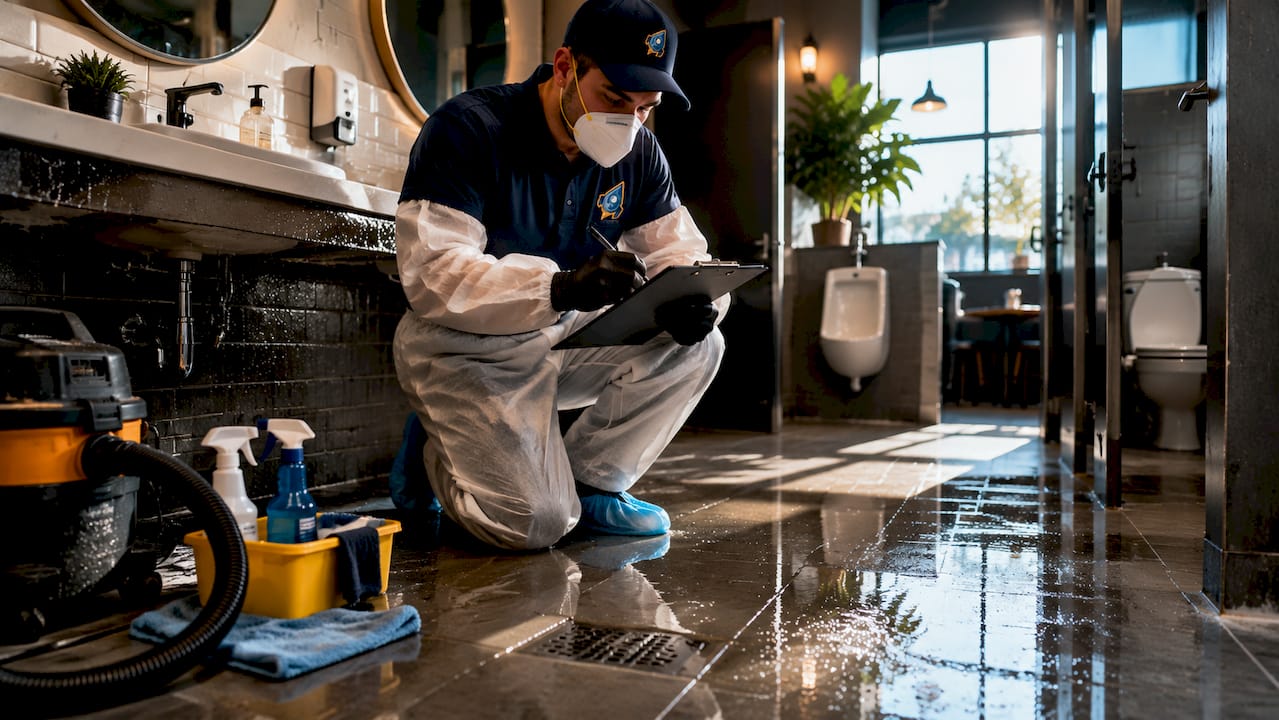
Emergency sewage cleanup is the professional process of safely removing contaminated water and materials, then fully sanitising the affected area to restore health and safety after a sewage overflow or backup. Sewage is classified as a biohazard because it carries pathogens including E. coli, hepatitis A, and salmonella. Understanding how emergency sewage cleanup works gives you the knowledge to act quickly, protect your household, and avoid the costly mistakes that turn a bad situation into a much worse one.
What are the key steps in the emergency sewage cleanup process?
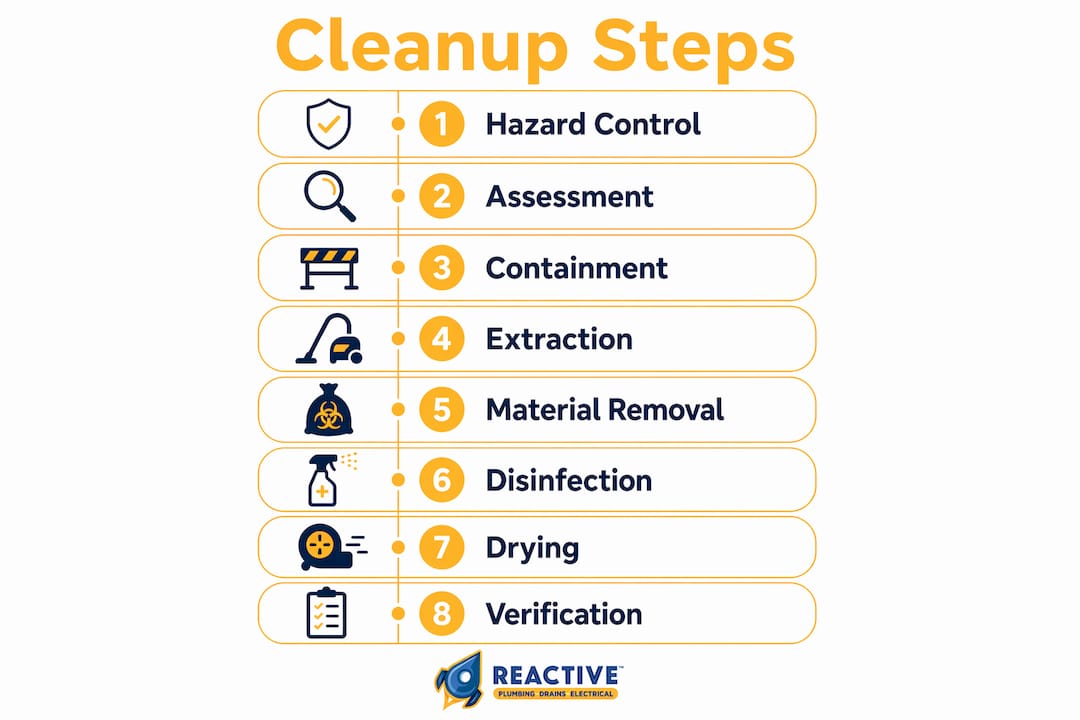
Emergency sewage cleanup follows eight defined steps, from hazard control through to post-remediation verification. Skipping any step puts your health and your property at risk.
1. Hazard control
Keep everyone out of the affected area immediately. Turn off electricity to any rooms with sewage contact. Put on full personal protective equipment (PPE) before entering.
2. Assessment
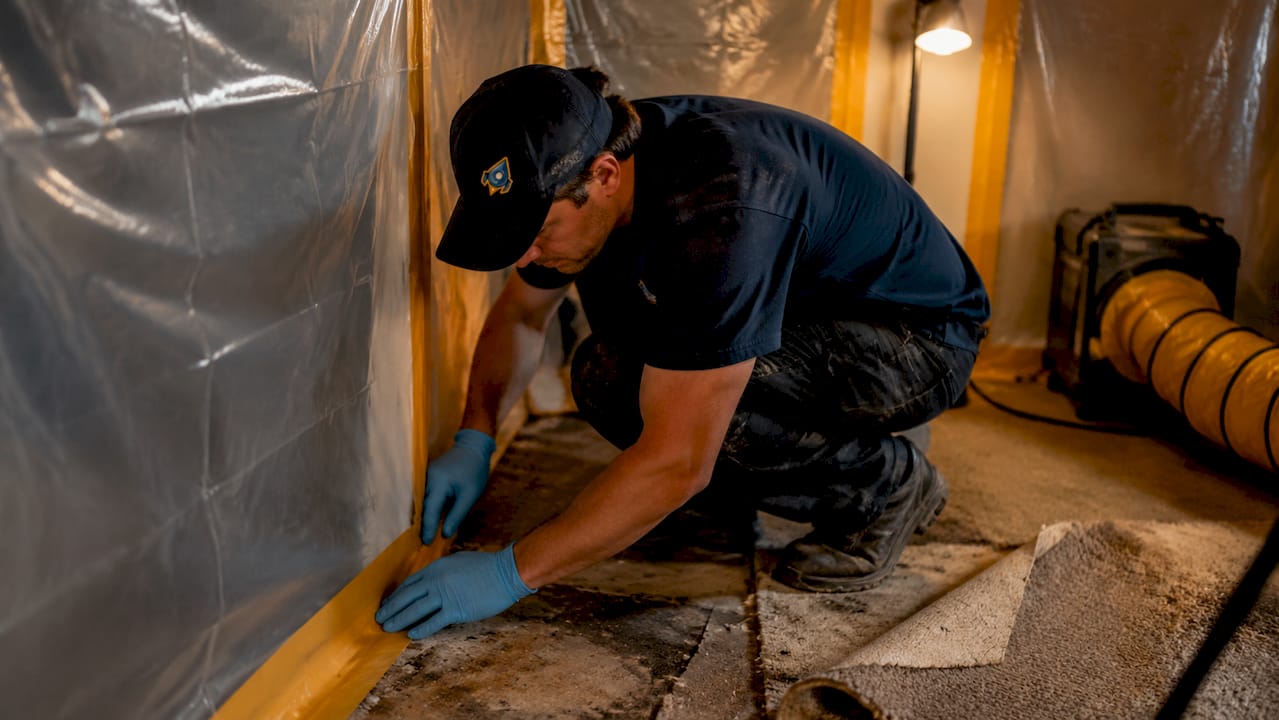
A licensed technician identifies the contamination source and maps the full extent of the affected area. This step determines which materials can be saved and which must go.
3. Containment
Plastic sheeting and negative-pressure barriers are set up to stop sewage and aerosolised particles from spreading to clean areas of the building. Containment barriers and HEPA air filtration are mandatory at this stage to prevent cross-contamination.
4. Extraction
Industrial wet-vacs and truck-mounted extractors remove standing sewage. Household wet-vacs are not suitable. They lack the power and filtration to handle Category 3 contamination safely.
5. Porous material removal
Carpet, insulation, drywall, and timber flooring that have absorbed sewage cannot be disinfected. These materials are removed, bagged, and disposed of according to local waste regulations.
6. Cleaning and disinfection
All salvageable surfaces are scrubbed and treated with EPA-registered disinfectants. Disinfectants must stay visibly wet for the full labelled contact time to kill pathogens effectively. This is called dwell time, and it is the step most often rushed or skipped.
7. Structural drying
Commercial dehumidifiers and air movers run continuously until moisture readings meet target levels. Mould can begin growing within 24–48 hours of water exposure, so drying must start without delay.
8. Verification
Moisture meters confirm structural dryness. Clearance testing checks that pathogens have been removed before the area is cleared for reoccupation.
Pro Tip: Keep a written log of each step as it is completed. This record supports insurance claims and proves due diligence if health issues arise later.
Why is professional equipment and PPE essential during sewage cleanup?
Sewage is classified as Category 3 contamination under IICRC S500 standards, the most hazardous category in water damage restoration. That classification demands a level of equipment and protocol that goes well beyond what most homeowners have access to.
The right PPE for sewage work
Every person entering a contaminated area needs full protection. The correct PPE for sewage cleanup includes:
- Respirators: N95 or P100 rated, to block inhaled pathogens and aerosols
- Gloves: Waterproof, heavy-duty rubber or nitrile
- Coveralls: Disposable, water-resistant, full-body coverage
- Eye protection: Sealed goggles, not standard safety glasses
- Boots: Waterproof, rubber-soled, dedicated to the contaminated area
Skin and eye exposure to sewage can cause serious infection. Inhaling aerosolised particles is equally dangerous, particularly in enclosed spaces like bathrooms or basements.
Why household tools fall short
A standard wet-vac spreads contaminated water through its exhaust. It does not filter pathogens. Industrial extraction equipment uses HEPA filtration and sealed containment to prevent this. Similarly, pouring household bleach on a contaminated surface and wiping it off does not constitute disinfection. Without the correct dwell time and product concentration, pathogens survive.
Pro Tip: If you are waiting for professionals to arrive, do not run your home’s HVAC system. Air conditioning and ducted heating can carry aerosolised pathogens throughout the entire building.
Professionals also use negative-pressure containment zones, which draw air out of the affected area rather than letting it circulate. This engineering control is critical for protecting the rest of your home or business during the cleanup process. You can read more about when to call a licensed plumber versus attempting repairs yourself.
How long does emergency sewage cleanup take?
Most professional sewage cleanup projects take 3–7 days, including extraction, disinfection, drying, and final verification. That range shifts significantly depending on several factors.
| Factor | Impact on timeline |
|---|---|
| Size of affected area | Larger areas require more extraction passes and longer drying cycles |
| Extent of structural damage | Saturated subfloors or wall cavities add days to the drying phase |
| Presence of a basement | Basements hold moisture longer and require additional dehumidification |
| Speed of initial response | Delays beyond 24 hours increase mould risk and material loss |
| Verification results | Failed clearance testing restarts the disinfection and drying cycle |
Drying is managed as an engineering process, not simply a matter of running fans. Professionals use moisture meters to take daily readings from walls, floors, and subfloors. They document each reading and adjust equipment placement until every surface reaches its target moisture level. This approach prevents hidden moisture pockets that cause mould and odour months after the visible cleanup is complete.
Delays cost more than time. Every hour sewage sits in contact with porous materials increases the volume of material that must be removed. Acting within the first few hours of a sewage emergency is the single most effective way to reduce both health risk and restoration cost.
What safety protocols protect occupants and workers?
Safety during a sewage emergency extends well beyond wearing gloves. A structured set of protocols protects everyone in the building, from the first moment of discovery through to final clearance.
Before professionals arrive:
- Evacuate children, elderly occupants, and pets from the affected area immediately
- Turn off electricity at the switchboard for any rooms with sewage contact
- Do not use taps, toilets, or drains connected to the affected system
- Open windows in the affected area only if doing so does not push contaminated air into the rest of the building
- Follow a 24-hour plumbing emergency checklist to stay organised while waiting for help
During professional cleanup:
- Hazard warning signs and physical barriers restrict access to the work zone
- Negative-pressure containment prevents aerosolised pathogens from migrating
- Workers change PPE when moving between contaminated and clean zones
- HVAC systems remain off throughout the process
After cleanup and before reoccupation:
- Post-remediation verification using moisture readings and clearance testing confirms the area is safe. Visual inspection alone is not sufficient. Pathogens are invisible, and residual moisture can persist inside wall cavities long after surfaces feel dry to the touch.
Licensed restoration specialists carry the training and equipment to manage each of these protocols correctly. For homeowners and business owners, the safest action is to get professionals on site as quickly as possible and avoid re-entering the affected area until clearance is confirmed.
Key takeaways
Effective emergency sewage cleanup requires hazard control, professional-grade extraction, EPA-registered disinfection with correct dwell time, structural drying, and verified clearance before reoccupation.
| Point | Details |
|---|---|
| Act within 24 hours | Mould growth begins within 24–48 hours, so rapid response limits damage and health risk. |
| PPE is non-negotiable | N95 respirators, waterproof gloves, sealed goggles, and coveralls are required before entering any contaminated area. |
| Dwell time determines disinfection | EPA-registered disinfectants must stay visibly wet for the full labelled contact time to kill pathogens. |
| Porous materials cannot be saved | Carpet, drywall, and insulation saturated with sewage must be removed and disposed of, not dried in place. |
| Verification confirms safety | Moisture readings and clearance testing are required before reoccupation. Visual inspection is not enough. |
Why the invisible damage is the part that gets people
I have been called to properties weeks after a sewage event where the homeowner thought everything was fine. The floors looked dry. The smell had faded. Then we pulled back a section of skirting board and found mould colonising the wall cavity behind it.
The visible mess is not the real danger. The real danger is what you cannot see. Pathogens do not announce themselves. Moisture trapped inside a subfloor does not smell until the mould has already taken hold. That is why the verification step exists, and why cutting it short is one of the most expensive decisions a homeowner can make.
I have also seen the aftermath of well-intentioned DIY attempts. A bucket, a mop, and a bottle of bleach feel like a reasonable response when you are standing in a flooded bathroom at midnight. But without negative-pressure containment, you are pushing aerosolised pathogens through every room your mop travels. Without the correct dwell time on your disinfectant, you are spreading a thin film of product that evaporates before it kills anything.
The sewage cleanup procedures that professionals follow are not bureaucratic box-ticking. They exist because the risks are real and the consequences of getting it wrong compound over time. My honest advice: get the area isolated, get the power off, and get a licensed team on site. The cost of doing it properly the first time is always less than the cost of fixing what goes wrong when you do not.
— Brent
Reactive Plumbing & Electrical: sewage emergency and pipe repair services
A sewage emergency is often a symptom of a deeper problem in your pipes. Once the immediate cleanup is done, the next priority is making sure it does not happen again.
Reactive Plumbing & Electrical provides 24/7 emergency plumbing response across Sydney, Newcastle, Wollongong, Brisbane, Ipswich, and the Gold Coast. Our licensed team handles the full scope of sewage emergencies, from initial extraction through to pipe repair and restoration. For older homes where deteriorating pipes are the root cause, pipe relining over traditional replacement is a less invasive option that repairs the pipe from the inside without digging up your yard. If you need to understand the full scope of emergency drain clearing, our team is ready to help. Call us any time to get a licensed professional on site fast.
FAQ
What is Category 3 water damage?
Category 3 is the most hazardous classification under IICRC S500 standards and covers sewage backups, floodwater, and any water containing pathogens. It requires full PPE, containment, porous material removal, and antimicrobial treatment.
Can I clean up sewage myself?
DIY sewage cleanup carries serious health risks because household equipment cannot contain aerosolised pathogens or achieve the disinfection standards required for safe reoccupation. Licensed professionals with industrial equipment and EPA-registered disinfectants are required for Category 3 events.
How soon does mould grow after a sewage backup?
Mould can begin growing within 24–48 hours of water exposure. Extraction and drying must start as quickly as possible to prevent microbial growth and persistent odour.
What does post-remediation verification involve?
Verification includes moisture meter readings taken from walls, floors, and subfloors, plus clearance testing to confirm pathogen removal. The area is not cleared for reoccupation until all readings meet target levels.
How do I know if my pipes caused the sewage backup?
Recurring sewage backups often indicate cracked, root-invaded, or collapsed pipes. A CCTV drain inspection identifies the exact location and condition of the damage, and pipe relining can repair the problem without excavation.