Why floor drains smell and how to fix it fast
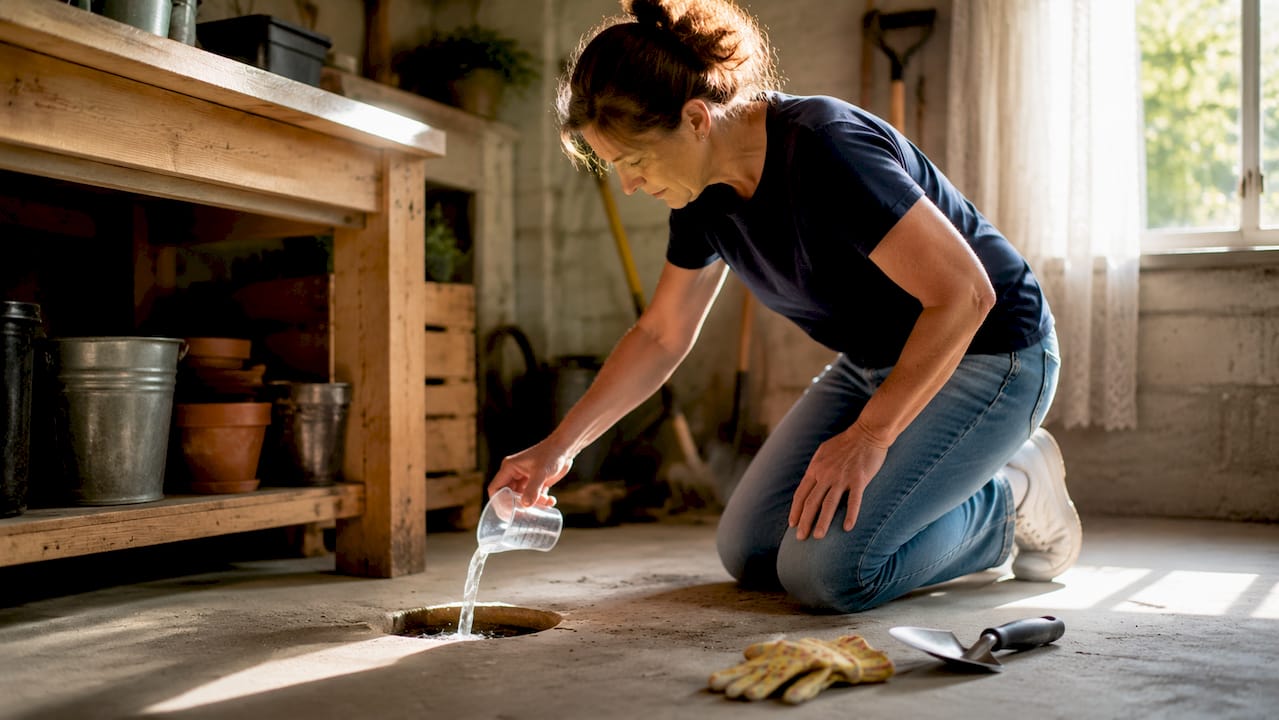
Floor drains smell because their water traps dry out, allowing sewer gases and bacterial odours to escape into your home. The technical term for this water trap is a P-trap, a curved section of pipe that holds a small water seal to block gases from rising through the drain. In most cases, a dry P-trap is the root cause of floor drain odours, and restoring the water seal takes less than five minutes. Organic buildup and blocked vent pipes can also contribute. Tools like baking soda, white vinegar, and mineral oil handle the majority of maintenance tasks without a plumber.
Why do floor drains smell? The P-trap explained
The P-trap is the curved pipe directly beneath your floor drain. It holds a 2–4 inch water seal that physically blocks sewer gas from rising into your bathroom or laundry. When that seal evaporates, the barrier disappears and the smell comes straight through.
Dry P-traps cause the vast majority of floor drain odour complaints. This happens most often in drains that see little regular use, such as a guest bathroom floor drain, a laundry utility drain, or a drain in a holiday property. In warm Australian climates, the water in an unused trap can evaporate within a few weeks.
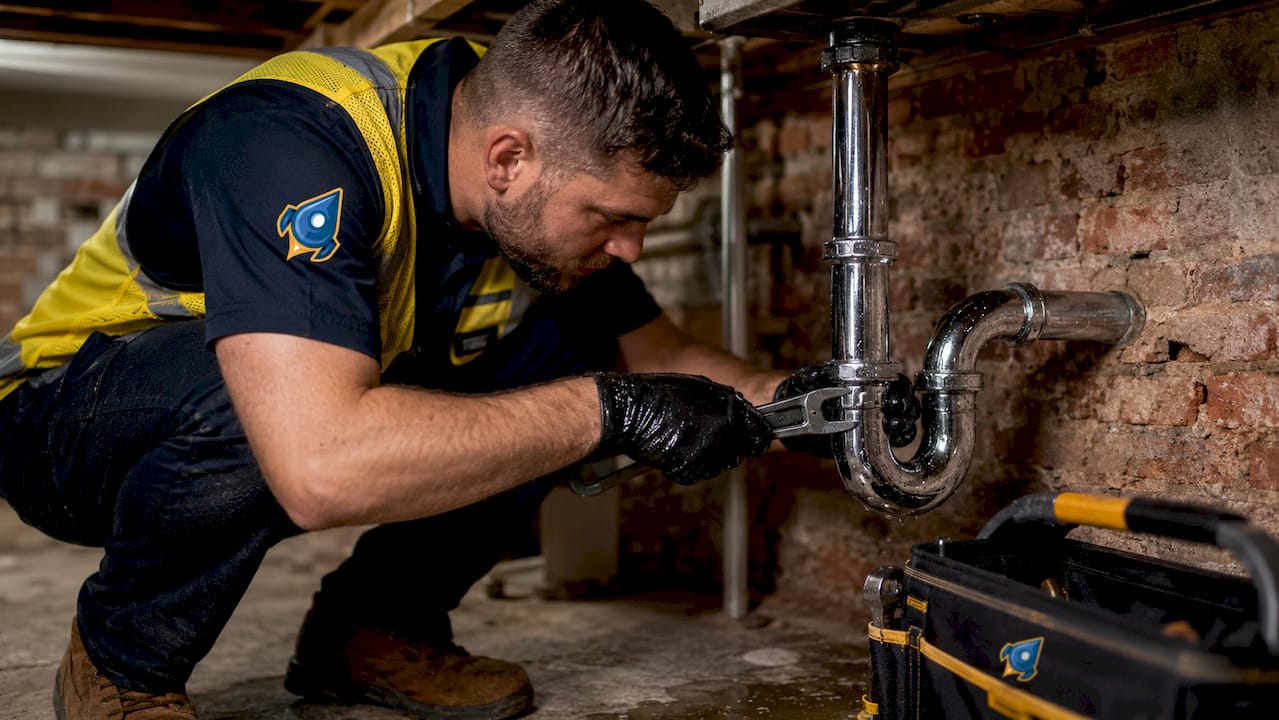
Heat and steam make the problem worse. Warm, humid air accelerates gas release from a compromised trap, which is why the smell often hits hardest right after a hot shower. Homeowners frequently assume the odour is coming from the toilet or walls, when the floor drain is the actual source.
The fix is straightforward. Pour about 2 cups to 1 litre of water directly into the drain. This restores the water seal immediately. For drains that dry out repeatedly, adding a small amount of mineral oil on top of the water slows evaporation and extends the seal.
- Unused drains in guest bathrooms or utility rooms dry out fastest
- Hot, dry conditions common across Sydney, Brisbane, and inland Queensland speed up evaporation
- Steam from showers can temporarily mask the smell, then make it worse once the room cools
- Seasonal properties on the Gold Coast or in regional NSW are especially prone to dry traps after extended vacancy
Pro Tip: After refilling the trap with water, pour a tablespoon of cooking oil or mineral oil on top. The oil floats on the water and dramatically slows evaporation, keeping the seal intact for weeks longer.
How does organic buildup cause bathroom floor drain smells?
Even when the P-trap holds water, a smelly drain in the bathroom floor can still develop from organic buildup inside the pipe. Soap scum, hair, skin cells, and bacteria accumulate on the inner walls of the drain and form a layer called biofilm. Biofilm produces a sour, musty odour that is distinct from the sharp, rotten-egg smell of sewer gas.
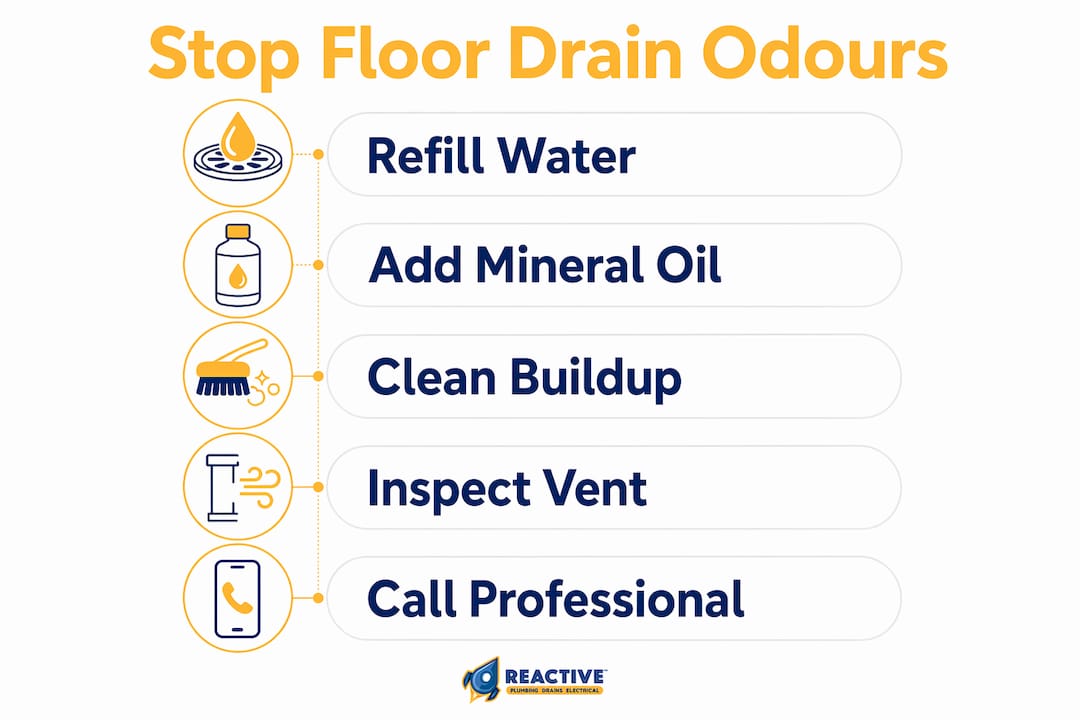
Biofilm and organic debris build up steadily in any drain that handles shower or bath water. The smell is often described as musty or sour rather than sewage-like. If you notice the odour is worse after water runs through the drain, biofilm is likely the cause. Sewer gas smells tend to be constant and more sulphurous.
Cleaning the drain removes the source of the smell. Here is a reliable monthly routine:
- Remove the drain grate and clear any visible hair or debris by hand. Wear gloves.
- Pour ½ cup of baking soda directly into the drain opening.
- Follow with 1 cup of white vinegar. The fizzing reaction breaks down soap scum and organic matter.
- Wait 15 minutes, then flush with a full kettle of hot water. Hot water carries the loosened debris through the pipe.
- Replace the grate and rinse the surrounding floor area.
For heavy buildup, enzyme-based drain treatments are a safe and effective option. Products like Bio-Clean or similar enzyme cleaners digest organic matter without corroding pipes or seals. Avoid bleach-based drain cleaners for routine use. They can degrade rubber seals inside the trap over time, which creates a bigger problem than the one you started with.
Pro Tip: Set a monthly phone reminder to clean your bathroom floor drain. Five minutes of prevention saves you from a much less pleasant job six months later when the buildup is significant.
Check out these drain cleaning methods that work well for Australian homes if you want a more detailed breakdown of cleaning approaches.
What plumbing vent issues cause floor drain odours?
Vent pipes run from your drainage system up through the roof. Their job is to regulate air pressure inside the pipes and allow sewer gases to escape safely outside. When a vent pipe is blocked or damaged, air pressure inside the drain system drops. That pressure drop can siphon water out of the P-trap, removing the seal entirely and allowing odours to enter your home.
Blocked vent pipes are a common but frequently overlooked cause of persistent floor drain odours. The tell-tale signs are different from a simple dry trap. With a venting problem, the smell returns quickly even after you refill the trap, and you may notice other symptoms throughout the house.
Watch for these signs of a venting issue:
- Gurgling sounds from the drain or toilet after water is used elsewhere in the house
- Slow drainage across multiple fixtures, not just one drain
- Persistent odour that returns within days of refilling the trap
- Bubbling in the toilet when the shower or basin drains
Common vent blockages in Australian homes include leaf litter, bird nests, and debris from nearby trees. Roof-level vent openings are exposed to the elements year-round. A blocked vent is not a DIY fix for most homeowners. Clearing a roof vent requires safe roof access and the right equipment. If you recognise two or more of the signs above, call a licensed plumber rather than attempting to clear it yourself.
A plumbing maintenance checklist for Australian homes covers vent inspection as part of a broader seasonal routine, which is worth reviewing before summer.
Should you seal or cover a floor drain to stop the smell?
Sealing a floor drain to stop the smell is one of the most common mistakes homeowners make. It feels logical, but it creates a more serious problem. Permanently sealing a floor drain can trap sewer gases under pressure inside the pipe, and it removes a critical safety valve for the drainage system. If a blockage or backup occurs, water has nowhere to go.
Sealing off a floor drain does not fix the odour source. It hides the symptom while the underlying cause continues to develop. A floor drain is a functional part of your home’s drainage system and must remain operational.
Temporary covers or rubber plugs sold at hardware stores are sometimes used to block drains in renovation zones. These are acceptable for short periods, but they are not a solution to a smell problem. The same applies to stuffing a rag into the drain opening. Gases can still build up, and the drain loses its protective function.
Safer alternatives that actually address the cause include:
- Restoring the P-trap water seal with a water and mineral oil refill
- Cleaning biofilm from the drain interior with baking soda and vinegar
- Having a plumber inspect the vent system if the smell persists
- Checking nearby fixtures like the toilet wax seal or basin overflow holes
Odours from nearby fixtures are frequently misattributed to floor drains. Before committing to any drain work, crouch down and smell directly at the drain, then check the toilet base and basin overflow holes separately. This simple test often reveals that the floor drain is not the actual source.
How to maintain floor drains and prevent odours long-term
Consistent maintenance prevents the majority of floor drain odour problems. The good news is that the routine is simple and takes only a few minutes each month. The plumbing maintenance checklist for Australian homeowners is a useful reference for building this into a broader home care habit.
Regular flushing of unused drains with water each week or month maintains the water seal and prevents trap evaporation. This single habit eliminates the most common cause of floor drain odours in guest bathrooms, laundry rooms, and utility areas.
Here is a practical maintenance schedule:
- Weekly: Pour a litre of water into any floor drain that is not used regularly. This takes 10 seconds.
- Monthly: Remove the drain grate, clear debris by hand, and run the baking soda and vinegar cleaning routine. Flush with hot water.
- Every 3 months: Add a small amount of mineral oil to the trap after refilling with water. This is especially useful in dry climates or during hot Aussie summers.
- Seasonally: Inspect vent pipe openings on the roof for leaf litter, nests, or debris. Check neighbouring fixtures for signs of seal failure.
- Annually: Consider a professional drain inspection if you have older pipes or recurring odour issues. A CCTV drain inspection can identify cracked pipes or root intrusion that DIY methods cannot address.
Avoid using harsh chemical drain cleaners like caustic soda or bleach-based products as a regular maintenance tool. Store-bought drain cleaners can damage drain seals and are ineffective if the trap is dry. They also do nothing to address biofilm on pipe walls. Enzyme treatments and mechanical cleaning are safer and more effective for routine maintenance.
For a broader look at keeping your drains clear, the floor cleaning guide from ACT Cleaning by Demand covers surface and drain care together, which is handy for a full bathroom refresh.
Key takeaways
Fixing floor drain odours starts with the P-trap water seal, and most problems resolve with a simple refill, a monthly clean, and a seasonal vent check.
| Point | Details |
|---|---|
| Dry P-trap is the main cause | Refill with water and add mineral oil to restore and maintain the water seal. |
| Biofilm causes a separate odour | Clean monthly with baking soda, vinegar, and a hot water flush to remove organic buildup. |
| Vent blockages need professional attention | Gurgling drains and recurring smells after cleaning point to a vent pipe issue. |
| Never seal a floor drain | Sealing traps sewer gas under pressure and removes a critical drainage safety valve. |
| Nearby fixtures can be the real source | Test the toilet wax seal and basin overflow holes before assuming the floor drain is at fault. |
What I’ve learnt after years of floor drain call-outs
The single most common mistake I see is homeowners reaching for a bottle of drain cleaner before they have even checked whether the trap has water in it. Pouring chemicals into a dry trap does nothing. The smell is coming from the sewer, not from debris in the pipe, and no amount of bleach will fix a missing water seal.
The second most common mistake is assuming the floor drain is the source when it is not. I have been to jobs where the homeowner had cleaned the floor drain three times in a month, and the smell was actually coming from a failed toilet wax ring two metres away. Always smell-test each fixture individually before you start cleaning anything.
What I find genuinely underused in Australian homes is mineral oil in the trap. We have a dry climate across much of the country, and water evaporates from unused traps faster than most people expect. A tablespoon of mineral oil after refilling the trap can extend the seal by weeks. For holiday homes on the Gold Coast or properties in inland NSW that sit empty over summer, this is the difference between arriving to a fresh-smelling house and arriving to a house that smells like a sewer.
My honest advice is to build the monthly water refill and clean into your regular home routine, the same way you change smoke alarm batteries. Reactive fixes are always more expensive and more unpleasant than preventative ones. If the smell persists after you have addressed the trap, cleaned the biofilm, and ruled out nearby fixtures, that is when you call a plumber. Persistent odours after all the basics are covered usually mean a vent issue or a cracked pipe, and neither of those is a DIY job.
— Brent
When persistent floor drain odours need a professional
Sometimes a thorough clean and a trap refill are not enough. If the smell keeps coming back despite your best maintenance efforts, the problem is likely deeper in the pipe system.

Reactive Plumbing & Electrical specialises in exactly these situations. Our licensed plumbers use CCTV drain inspections to identify cracked pipes, root intrusion, and vent blockages that no amount of baking soda will fix. For pipes that are damaged or deteriorating, pipe relining is a modern, no-dig solution that repairs the pipe from the inside without tearing up your floor or garden. We service Sydney, Newcastle, Wollongong, Brisbane, Ipswich, and the Gold Coast, with licensed professionals available for both routine inspections and urgent call-outs. If you are dealing with a smelly bathroom drain that will not clear, get in touch with Reactive Plumbing & Electrical and we will find the source.
FAQ
Why does my bathroom floor drain smell like sewage?
A bathroom floor drain smells like sewage when the P-trap water seal has dried out, allowing sewer gas to rise through the pipe. Refilling the drain with water immediately restores the seal and reduces the odour.
How do I stop my floor drain from smelling?
Pour water into the drain to restore the P-trap seal, then clean the drain with baking soda and vinegar to remove biofilm. Add a small amount of mineral oil after refilling to slow future evaporation.
Why does my floor drain smell even after cleaning?
If the odour persists after cleaning, the cause is likely a blocked vent pipe or a cracked sewer line rather than surface buildup. Gurgling sounds and slow drainage across multiple fixtures confirm a venting problem that needs professional inspection.
Can I use bleach to fix a smelly floor drain?
Bleach is not effective for floor drain odours and can damage rubber seals inside the trap over time. Enzyme-based cleaners or a baking soda and vinegar flush are safer and more effective for routine maintenance.
How often should I maintain my floor drain?
Flush unused floor drains with water weekly or monthly to maintain the water seal. Clean the drain with baking soda and vinegar once a month, and inspect roof vent openings for blockages each season.