Communicating with your plumber during emergency
Water is spraying across your bathroom floor, your phone is in your hand, and you have no idea what to say. That moment of panic is exactly when knowing how to communicate with a plumber during an emergency makes all the difference. Poor communication leads to delayed responses, wrong tools arriving on site, and unnecessary damage. This guide walks you through what to say, how to say it, and what to ask so you get help faster and stay safer while you wait.
Table of Contents
- Key takeaways
- Communicate with plumber during emergency: what to prepare first
- How to talk clearly during the emergency call
- Your rights when the plumber arrives
- Staying safe while you wait
- When you cannot reach a plumber quickly
- What I have learned about emergency communication
- Ready when you need us
- FAQ
Key takeaways
| Point | Details |
|---|---|
| Prepare details before calling | Have your address, problem description, and shutoff status ready before you dial. |
| Stay calm and speak clearly | Dispatchers prioritise calls from callers who provide clear, composed information. |
| Verify credentials on arrival | Ask for a licence number and written estimate before authorising any work. |
| Prioritise safety first | Shut off water or gas at the main valve and evacuate if there is any risk of gas or sewage exposure. |
| Know your consumer rights | You can pause or refuse work at any point if you feel pressured or uninformed. |
Communicate with plumber during emergency: what to prepare first
Before you even pick up the phone, take thirty seconds to gather the information a plumber or dispatcher will ask for. Dispatch systems use caller-supplied info to prepare the right technician and tools, so the more clearly you can describe your situation, the faster the right help arrives.
Here is what to have ready:
- Your full address and access instructions. If you are a tenant, include the building name or unit number. If the front gate is locked or entry requires a code, say so upfront.
- A plain-language description of the problem. “Water is coming through the ceiling from the bathroom above” is far more useful than “I think a pipe burst.” Describe what you can see, hear, or smell.
- Whether you have shut off the water or gas. If you have turned off the main valve, tell the dispatcher. If you have not, tell them that too. This information shapes how urgently the plumber needs to move.
- Any immediate hazards. Is water near power points? Can you smell gas? Are there children in the house? These details affect the plumber’s safety preparations and the priority level of your call.
- What you have already tried. If you attempted to tighten a valve or plunge a drain, mention it. This saves time when the plumber arrives and prevents them from repeating steps.
- Your contact number and the best way to reach you. If you need to step outside due to a gas smell, let the dispatcher know and give an alternative number if possible.
Pro Tip: Take a photo or short video of the problem before you call. You can describe what you see in real time and have the footage ready to share when the plumber arrives. It saves a lot of back-and-forth.
Understanding what plumbing tools every homeowner should keep on hand can also help you describe the issue more precisely and take safe interim steps.

How to talk clearly during the emergency call
Once you are on the phone, the way you communicate matters as much as what you say. Dispatchers and technicians prefer simple, clear facts rather than technical jargon, because it allows them to assess urgency and send the right resources.
Follow these steps during the call:
- State your address first. If the call drops, the dispatcher already has your location. This is the single most important piece of information.
- Describe the emergency in one or two sentences. Keep it factual. “There is water leaking from under the kitchen sink and it has soaked the cabinet floor” is clear. Avoid speculation about causes.
- Say whether utilities have been turned off. This one line of information changes how the dispatcher categorises your call.
- Mention any immediate dangers. Flooding near electrical fittings, a gas odour, or a sewage smell are all red flags a dispatcher needs to know immediately.
- Ask for an estimated arrival time. About 85% of callers who reach voicemail during after-hours emergencies do not call back, so if you are put through to a message bank, leave your details and ask for an SMS update.
- Request interim safety advice. A good dispatcher will guide you on what to do while you wait. Ask directly: “Is there anything I should do right now to reduce the damage?”
Pro Tip: If you feel yourself panicking, slow your breathing for five seconds before speaking. A calm and respectful approach during emergency calls improves the flow of information and reduces misunderstandings between you and the plumber.
Avoid the urge to diagnose the problem yourself on the call. Saying “I think the pressure relief valve has failed” rarely helps and can send the wrong technician. Stick to what you observe.
Your rights when the plumber arrives
An emergency does not strip you of your consumer rights. You are still entitled to see credentials, understand what work is being done, and receive a written quote before anything starts. Knowing this ahead of time means you will not be caught off guard under pressure.
Professional plumbers do not object to a second opinion and will readily provide upfront pricing. If a plumber resists either of these, that is worth paying attention to.
Before authorising any work, ask:
- For their licence number. You can verify a plumber’s licence online through your state’s licensing authority. In New South Wales, that is Service NSW. In Queensland, it is the QBCC. This takes two minutes and protects you from unlicensed operators.
- For proof of insurance. A licensed plumber carries public liability insurance. If something goes wrong during the repair and they are not insured, you could be liable.
- For a written, itemised estimate. Estimates should include scope, pricing, permit fees, and warranties and be provided before any work begins. Verbal quotes are less reliable and harder to dispute.
- Whether a permit or inspection is required. Knowing when to insist on permits is crucial, as unpermitted work can impact insurance validity and future property transactions.
You have the right to pause or refuse work at any point during a plumbing emergency, particularly if you feel pressured into approving expensive repairs without adequate explanation. Reputable plumbers respect this and will not use high-pressure tactics to rush your decision.
| Behaviour | What it means |
|---|---|
| Provides licence number readily | Good sign. Confident in their credentials. |
| Refuses to give written estimate | Warning sign. Proceed with caution. |
| Pressures you to sign quickly | Red flag. A reputable plumber gives you time to decide. |
| Cannot confirm insurance coverage | Red flag. Do not authorise work without this. |
| Explains the scope of work clearly | Good sign. Transparent and professional approach. |
For tenants, contact your property manager or landlord before authorising major repairs. They may have preferred contractors or insurance arrangements that need to be considered.
Staying safe while you wait
While you are waiting for the plumber to arrive, your priority is protecting people first and property second. There are clear steps you should take and some things you should avoid entirely.
- Shut off the main water valve if there is a burst pipe or major leak. This valve is usually located near the water metre, often at the front of the property or in a utility room.
- Turn off the gas at the metre if you smell gas. Do this without using any light switches or electrical devices. Open windows and doors, then leave the building immediately.
- Stay away from any water near power points, switches, or appliances. Water and electricity together are life-threatening. Do not attempt to mop or move water near any electrical source.
- Keep children and pets out of the affected area. Flooding creates slip hazards, and sewage backups carry serious health risks.
- Do not attempt repairs yourself beyond turning off the relevant shutoff valve. In emergencies involving gas leaks or raw sewage backups, safety must take priority and the window for safe self-remediation is effectively zero.
If there is any doubt about whether a situation is safe, evacuate and call emergency services (000) before calling a plumber. No repair is worth a preventable injury.
Reviewing a home plumbing maintenance checklist before an emergency strikes can help you locate shutoff valves and understand your system in advance.
When you cannot reach a plumber quickly
Sometimes the line is busy, the call goes to voicemail, or the response you get is vague. Here is how to handle those situations without losing time.
- Leave a detailed voicemail immediately. State your name, address, the nature of the emergency, and whether utilities have been shut off. Ask for a call back or SMS confirmation within a set timeframe.
- Send a text or use an online booking form. Many emergency plumbing services accept text or app-based contact after hours. A written message also creates a record of when you made contact.
- Try a second emergency contact number. Most reputable services provide a backup number for after-hours calls. Check the company website or Google listing for alternative contact details.
- Repeat back any instructions you receive. If a dispatcher gives you interim advice, confirm it back to them: “So you are saying I should leave the main valve off and keep everyone away from the kitchen. Is that correct?” This prevents misunderstandings.
- Escalate if necessary. If water is rising rapidly, there is a confirmed gas leak, or the situation becomes dangerous, call 000. Emergency services can assess the scene and contact utilities directly if needed.
If a plumber provides an ETA, write it down and set a reminder. If they have not arrived or made contact within that window, follow up with a direct call rather than waiting. Clear, proactive plumbing emergency communication keeps everyone on the same page.
What I have learned about emergency communication
I have spoken with a lot of homeowners after their emergencies, and the pattern I keep seeing is this: the calls that go badly are almost never about the plumbing. They are about the conversation.
In my experience, panic does not just feel awful. It actively makes communication worse. Homeowners who call in a state of distress often cannot remember their address, skip over critical details like the smell of gas, or agree to verbal quotes without thinking it through. I have seen people authorise thousands of dollars of work without a written estimate simply because they were too stressed to ask.
What I have found actually works is treating the phone call like a transaction, not a crisis conversation. You have information the plumber needs. They have the solution you need. Keep the exchange simple and factual. The calmer you are, the faster they can help.
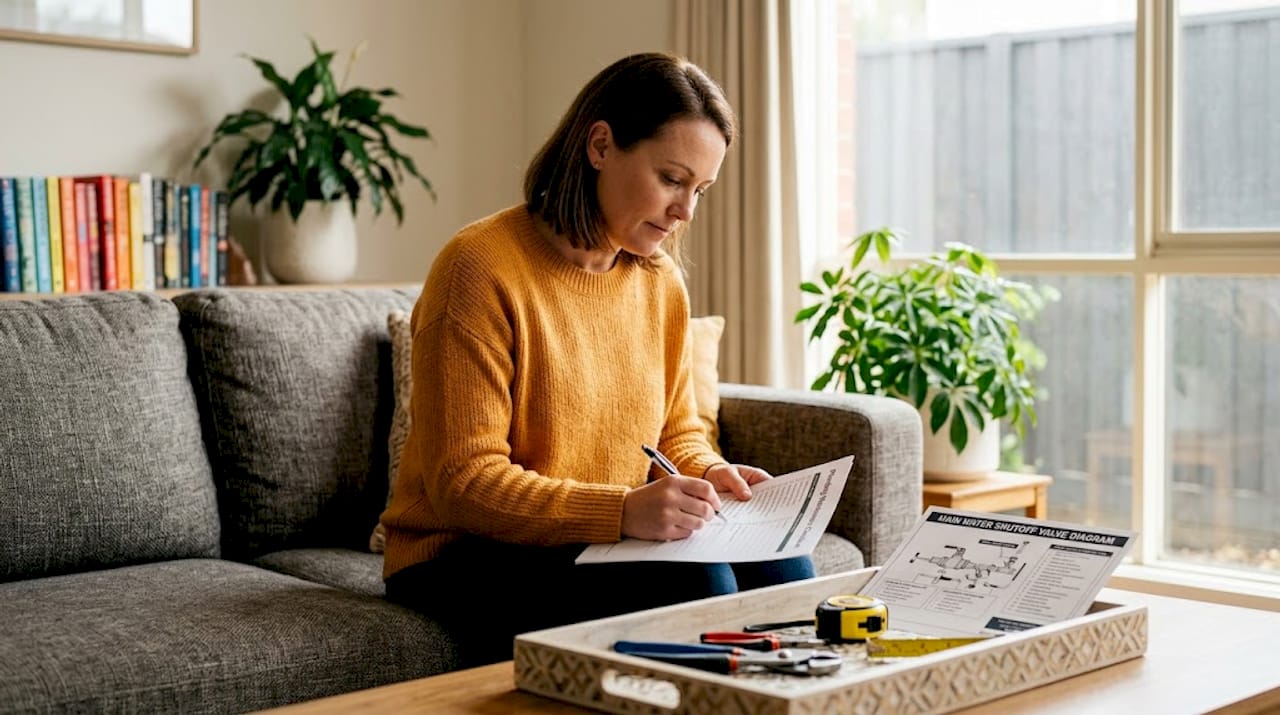
My honest advice: write the location of your main shutoff valves on a sticky note and put it inside a kitchen cupboard right now. Know which state authority handles plumber licence checks in your area. Those two pieces of preparation have more impact than any communication tip I could give you. When you are not scrambling to find basic information, the whole call goes better for everyone.
Ready when you need us
When a plumbing emergency hits, you want to know that the team on the other end of the line is prepared, licensed, and will treat your home with respect. At Reactive Plumbing, Drains & Electrical, we are available 24 hours a day, 7 days a week across Sydney, Newcastle, Wollongong, Brisbane, and the Gold Coast. Every technician is fully licensed and insured, and we provide upfront, itemised pricing before we start any work. No pressure, no surprises. We also make it easy to understand your obligations as a homeowner by pointing you to resources like our guide on plumbing code violations and our maintenance checklist for homeowners. When you call us, you will speak to a real person who listens, asks the right questions, and sends the right technician with the right equipment. Contact Reactive Plumbing any time you need urgent plumbing support.
FAQ
What should I say first when I call a plumber in an emergency?
State your full address first, then describe the problem in one or two plain sentences. This allows the dispatcher to act immediately even if the call drops.
How do I reach a plumber fast if my call goes to voicemail?
Leave a clear message with your address, the nature of the emergency, and whether utilities are off. Follow up with a text and try an alternative emergency contact number listed on the company website.
Can I refuse work if a plumber arrives and I feel pressured?
Yes. You have the right to pause or refuse work at any point, including during an emergency. Reputable plumbers provide written estimates and do not pressure you to make fast decisions.
Do I need to verify a plumber’s licence in an emergency?
Yes, even in an urgent situation. You can quickly verify a plumber’s licence online through your state authority, such as Service NSW or the QBCC in Queensland. This protects you from unlicensed operators.
When should I call 000 instead of a plumber?
Call 000 if you suspect a gas leak, if water is near live electrical fittings, or if the situation becomes physically dangerous. Emergency services can stabilise the scene before a plumber safely enters.