Toilet and sink blocked: your 2026 Australian guide
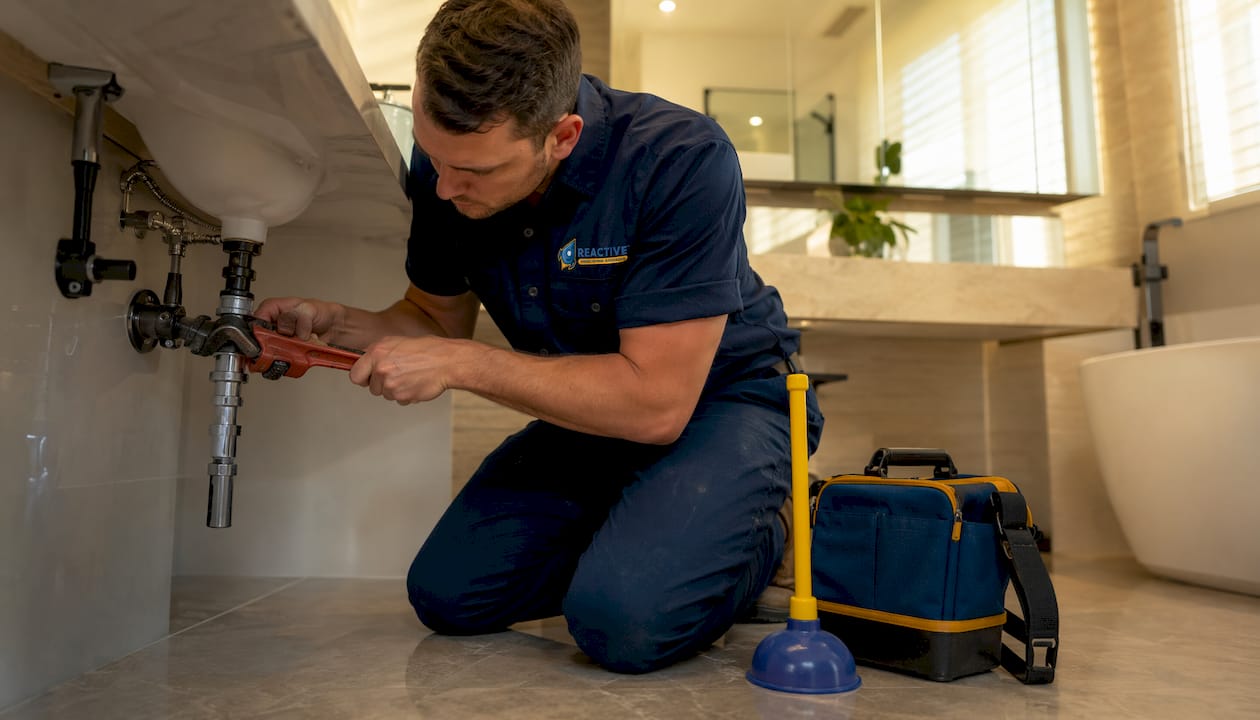
What to do right now when your toilet and sink are both blocked
When your toilet and sink are blocked at the same time, stop using water immediately. This is the single most important step, because adding more water to a blocked system raises the pressure and risks sewage backing up onto your floor. Two fixtures failing together usually points to a shared branch drain or main sewer line issue, not two separate problems happening by coincidence.
Here is what to do straight away:
- Stop all water use in the affected bathroom until you have assessed the situation.
- Check other fixtures throughout the house. If the kitchen sink, laundry tub, or a second bathroom is also slow or backing up, you are likely dealing with a main sewer line blockage and should call a licensed plumber.
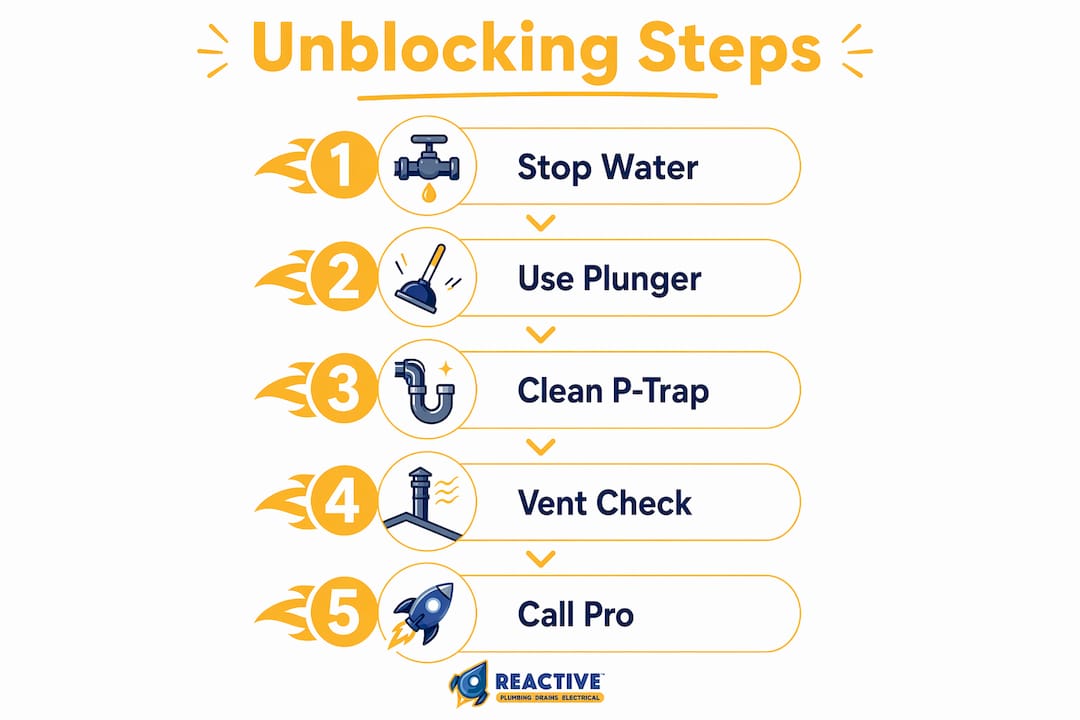
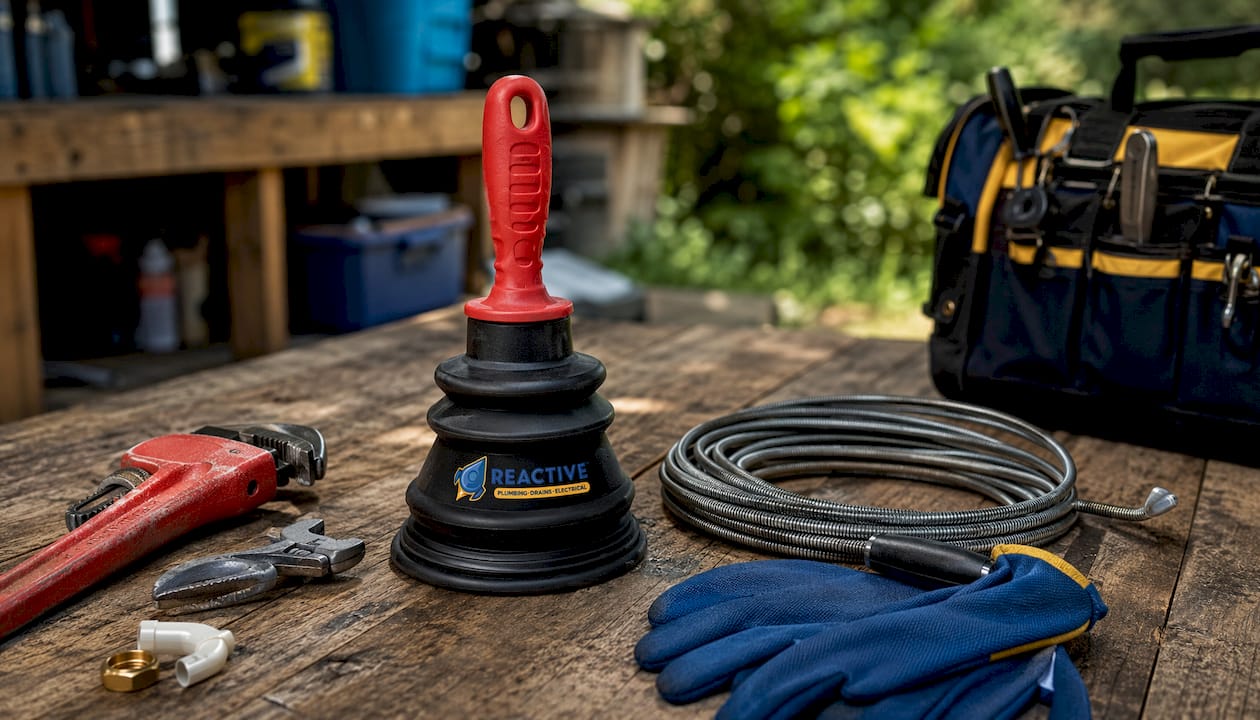
- Use the correct plunger. A flat cup plunger suits sinks; a bellows flange plunger seals properly inside the toilet bowl.
- Inspect the sink P-trap. That curved pipe under the vanity is often choked with hair and soap residue and takes about five minutes to remove and rinse clean.
- Avoid chemical drain cleaners in a fully blocked drain. If the pipe has nowhere to drain, the chemical pools and can cause burns if you then plunge.
Pro Tip: Before plunging a sink, stuff a wet cloth firmly into the overflow hole near the top of the basin. Without blocking it, all the pressure you build escapes through there instead of pushing down into the blockage.
Why are your toilet and sink blocked at the same time?
The most telling clue in a simultaneous blockage is which fixtures are affected. If only one bathroom is involved, the problem usually lies in the shared branch drain that both the toilet and sink feed into before joining the main sewer line. If multiple rooms are affected, the blockage is almost certainly in the main sewer line itself.
Common causes include:
- Hair and soap scum. Hair is the leading cause of bathroom drain blockages in Australian homes. It binds with soap residue to form dense mats that gradually narrow the pipe over weeks.
- “Flushable” wipes. Despite the label, these wipes do not disintegrate at anything like the rate of toilet paper. They catch on pipe joints and form concrete-like blockages that require professional clearing.
- Grease build-up. Cooking fat poured down the kitchen sink cools and solidifies on pipe walls, narrowing the bore and trapping other debris passing through.
- Tree root intrusion. Older clay and concrete pipes, common in homes built before the 1990s, develop cracks that tree roots actively target. Once inside, roots catch wipes and paper until a serious blockage develops.
- Blocked plumbing vent stack. Vents run up through the roof and allow air into the drainage system. Leaves, debris, or bird nesting material can block them, causing pressure imbalances that slow drainage across multiple fixtures and produce gurgling sounds.
- Excessive toilet paper or non-flushable items. Sanitary products, cotton pads, and paper towels stay intact in pipes and are a frequent trigger for sudden, complete blockages.
How to unblock your toilet and bathroom sink safely at home
For minor blockages confined to one bathroom, these steps are worth attempting before calling a plumber. If nothing moves after two genuine attempts, stop and get professional help.
Step-by-step
- Put on rubber gloves before touching anything near the drain.
- Clear visible debris from the sink drain cover by hand.
- Plunge the toilet using a bellows flange plunger. Seat it firmly over the outlet and use several strong push-and-pull strokes. The pull stroke is what actually dislodges the blockage, so do not just push.
- Plunge the sink with a cup plunger, making sure the overflow hole is blocked with a wet cloth and there is enough water in the basin to cover the rubber cup.
- Clean the P-trap. Place a bucket under the curved pipe beneath the vanity, undo both joints by hand, and rinse the trap thoroughly. Removing and cleaning the P-trap resolves most bathroom sink blockages caused by hair and soap residue.
- Try bicarb and vinegar only if the drain is slow but still moving. Pour half a cup of bicarb followed immediately by half a cup of white vinegar, cover the drain, wait 30 minutes, then flush with hot water. This method does nothing for a fully blocked drain with standing water.
- Use hot water carefully. Near-boiling water poured slowly can shift grease-based blockages, but cool it slightly first if your home has PVC drainage pipes, as repeated boiling water can degrade the material over time.
Never pour chemical drain cleaner into a fully blocked pipe. The chemical has nowhere to go and pools in the pipe, creating a serious burn risk if you then plunge. Chemical cleaners are only appropriate for slow drains, not blocked ones.
What gurgling sounds tell you about the blockage
Gurgling from your sink after you flush the toilet is one of the clearest diagnostic signals in plumbing. It happens because a blockage restricts water flow and forces trapped air through the water in nearby fixtures, producing that distinctive bubbling noise. This is not a minor quirk to ignore.
Gurgling sounds and what they indicate:
- Toilet flush causes sink to gurgle: strong sign of a shared branch drain or main sewer line blockage.
- Sink draining causes toilet to bubble: pressure imbalance in the shared line, often from a partial main-line obstruction.
- Gurgling from multiple fixtures at once: almost certainly a main sewer line issue requiring professional diagnosis.
- Gurgling with slow drainage but no overflow: may indicate a blocked vent stack rather than a pipe blockage.
Gurgling noises often precede visible drainage issues and should prompt you to minimise water use and inspect for blockages immediately. Once you hear this sound, continuing to flush or run taps risks sewage overflow inside the home.
When to stop DIY and call a licensed plumber
Some blockages are simply beyond what a plunger or a P-trap clean can reach. Knowing when to stop saves you from making the problem worse or creating a health hazard.
Call a licensed plumber when you notice any of these:
- Multiple fixtures are blocked across more than one room, pointing to a main sewer line issue.
- The blockage returns within days of being cleared, suggesting a deeper obstruction.
- You can smell sewage near drains or outside the home.
- Water is backing up into the shower or floor drain when you flush.
- Two genuine plunging attempts have not shifted the blockage.
Pro Tip: Do not keep flushing to “test” the toilet once you suspect a main line blockage. Every flush adds pressure to a system that has nowhere to drain, and sewage overflow is far more expensive to clean up than a plumber’s call-out fee.
Professional plumbers have tools that simply are not available to homeowners:
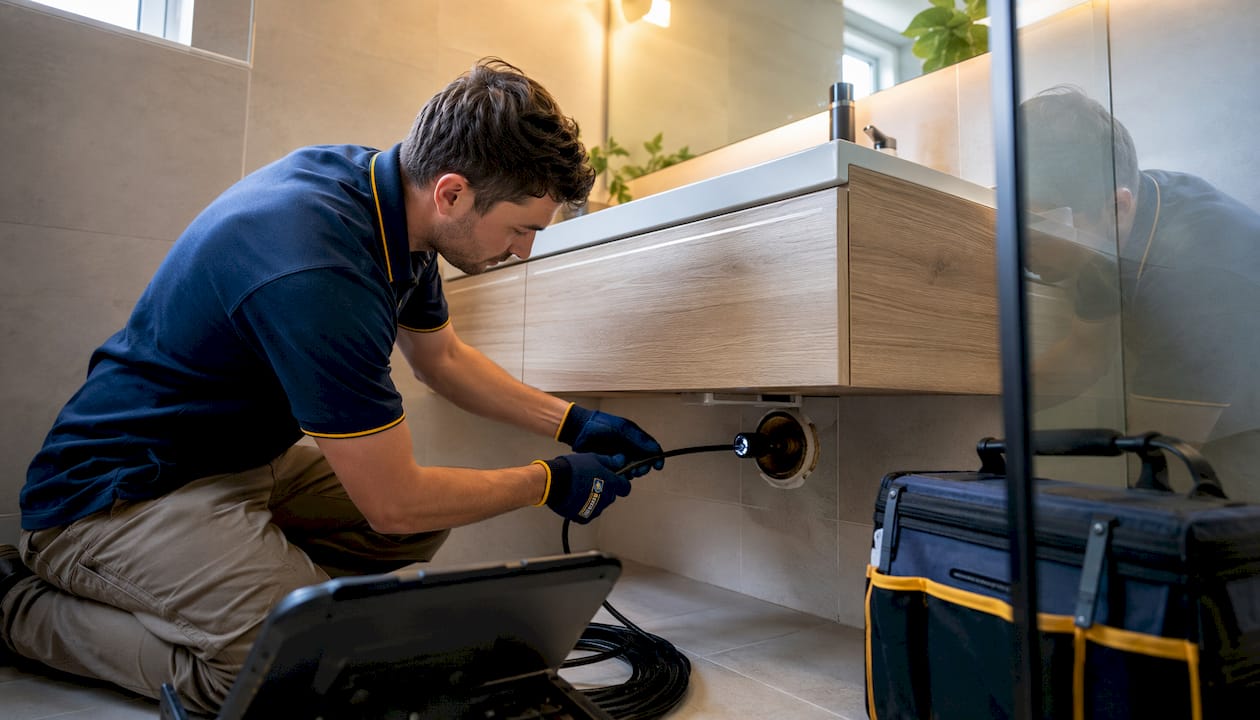
- CCTV drain camera inspection: a camera is fed into the pipe to locate the exact blockage and assess pipe condition, including root intrusion or pipe collapse.
- Hydro-jetting: high-pressure water blasting clears grease, wipes, and root material that a plunger cannot touch.
- Pipe relining: for pipes damaged by roots or age, trenchless pipe relining repairs the pipe from the inside without digging up your yard.
Reactive Plumbing & Electrical provides licensed drain clearing, CCTV inspection, and pipe relining services across Sydney, Newcastle, Wollongong, Brisbane, Ipswich, and the Gold Coast, with 24/7 availability for emergencies.
How to keep your drains clear and avoid future blockages
Prevention is far cheaper than a call-out. These habits address the most common causes of simultaneous toilet and sink blockages in Australian homes.
- Fit a hair catcher in every shower and bathroom sink drain, and clean it weekly. Hair combined with soap scum is the leading cause of bathroom drain blockages, and a low-cost mesh cover from any hardware store stops most of it at the source.
- Never pour cooking fat or oil down the sink. Let it cool, scrape it into a container, and put it in the bin. Even small amounts build up on pipe walls over months.
- Flush only toilet paper and human waste. Wet wipes, cotton pads, sanitary products, and paper towels do not break down in Australian sewer systems regardless of what the packaging claims.
- Flush drains with hot water weekly, particularly kitchen sinks after washing up.
- Have your drains inspected by a licensed plumber every few years if your home has older clay or concrete pipes, as root intrusion develops slowly and is invisible until a serious blockage forms.
How to tell whether the blockage is in a shared line or individual fixture
This distinction determines whether DIY is worth attempting or whether you need a plumber from the outset.
Check other fixtures first. If the rest of the house drains normally and only one bathroom is affected, the blockage is likely in the branch drain shared by that toilet and sink. This is more localised and sometimes responds to plunging or a P-trap clean.
If the kitchen sink, laundry tub, or a second bathroom is also slow or backing up, the blockage sits in the main sewer line. At that point, DIY tools cannot reach it. A residential drain blockage in the main line requires CCTV diagnosis and professional clearing.
Watch for these specific signs of a main line blockage: water rising in the shower when you flush the toilet, gurgling from multiple fixtures simultaneously, or sewage smells near outdoor gully drains. Any one of these means the problem is beyond the branch drain.
Staying safe when you attempt DIY drain clearing
DIY drain work carries real risks if you skip basic precautions. A few simple measures protect both you and your pipes.
Always wear rubber gloves when handling drain covers, P-traps, or plungers. Wastewater contains bacteria, and direct contact is a genuine health risk. Eye protection is worth adding if you are plunging vigorously, as splashback happens.
Never mix chemical drain products. Combining different cleaners can produce toxic fumes or violent reactions. If you have already poured one product down the drain, tell your plumber before they begin work so they can take appropriate precautions.
Avoid forcing a drain snake into PVC pipes. Plastic pipes scratch easily, and a damaged pipe interior catches debris more readily, making future blockages more likely. If the snake meets firm resistance, stop and call a professional rather than pushing harder.
When Reactive Plumbing & Electrical can help
When DIY methods have not worked, or when the signs point clearly to a main sewer line issue, Reactive Plumbing & Electrical is ready to help. Our licensed plumbers serve Sydney, Newcastle, Wollongong, Brisbane, Ipswich, and the Gold Coast, with emergency availability around the clock. We use CCTV inspection to pinpoint blockages accurately and hydro-jetting to clear them thoroughly. For pipes damaged by roots or age, our pipe relining service repairs the problem from the inside without excavation. Contact Reactive Plumbing & Electrical for fast, dependable help from a team you can trust.
Key takeaways
When your toilet and sink are blocked simultaneously, the cause is almost always a shared branch drain or main sewer line blockage, not two unrelated problems.
| Point | Details |
|---|---|
| Stop water use first | Adding more water to a blocked system risks sewage overflow inside the home. |
| Check all fixtures | Blockages in multiple rooms confirm a main sewer line issue beyond DIY reach. |
| Use the right plunger | A bellows flange plunger seals the toilet; a cup plunger with the overflow hole blocked suits sinks. |
| Avoid chemicals on full blockages | Chemical cleaners pool in blocked pipes and cause burns if you then plunge. |
| Call a plumber for recurring or multi-fixture blockages | CCTV inspection and hydro-jetting clear what household tools cannot reach. |
FAQ
Why are my toilet and sink blocked at the same time?
Simultaneous blockages almost always mean the toilet and sink share a blocked branch drain or the main sewer line is obstructed. It is rarely two separate, unrelated problems occurring together.
How do I unblock my toilet and sink at home?
Start by stopping all water use, then plunge the toilet with a bellows flange plunger and clean the sink P-trap. If both fixtures remain blocked after two attempts, call a licensed plumber, as the blockage is likely in the main sewer line.
Why does my sink gurgle when I flush the toilet?
Gurgling occurs when a blockage forces trapped air through the water in nearby fixtures. It is a reliable indicator of a shared drain or main sewer line restriction and a signal to stop using water until the cause is found.
What liquid do plumbers use to unblock drains?
Licensed plumbers generally avoid chemical cleaners for serious blockages. For stubborn obstructions, they use hydro-jetting, which blasts high-pressure water through the pipe to clear grease, wipes, and root material far more effectively and safely than any off-the-shelf product.
When should I stop DIY and call a plumber for a blocked drain?
Call a plumber if multiple fixtures across the house are affected, if the blockage returns quickly after clearing, if you can smell sewage, or if two genuine plunging attempts have not worked.