Intermittent hot water: causes, fixes, and when to call a pro
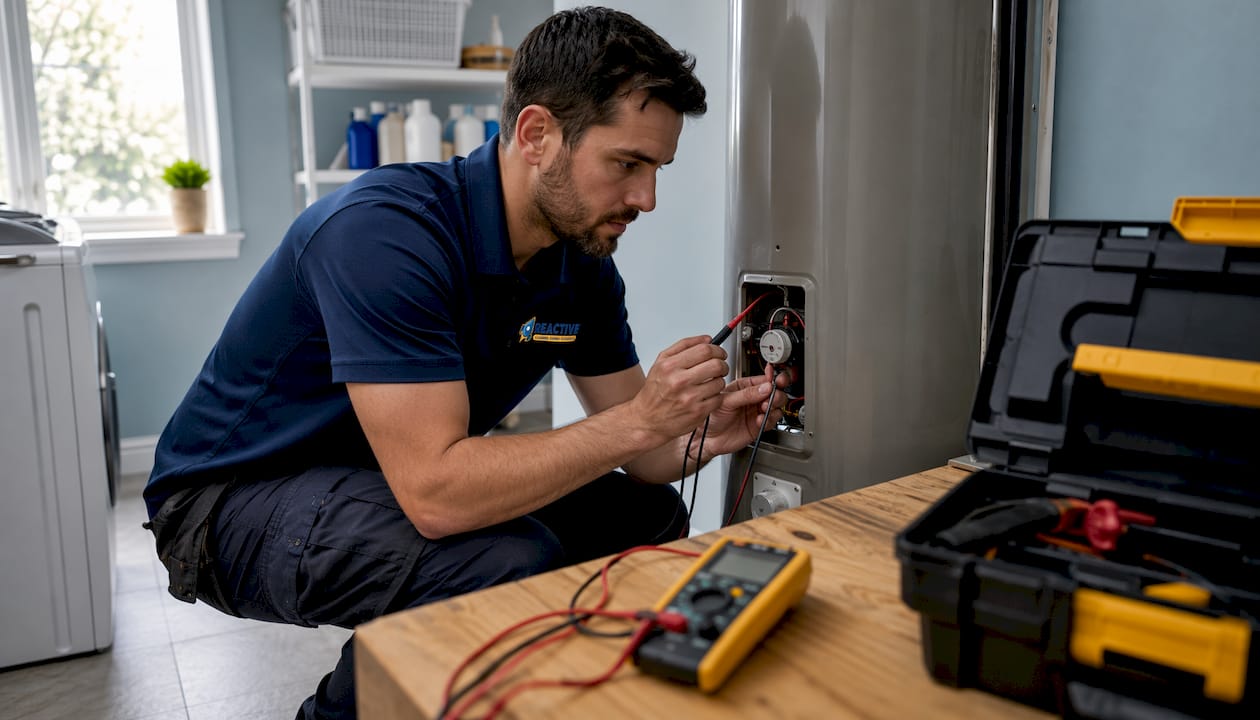
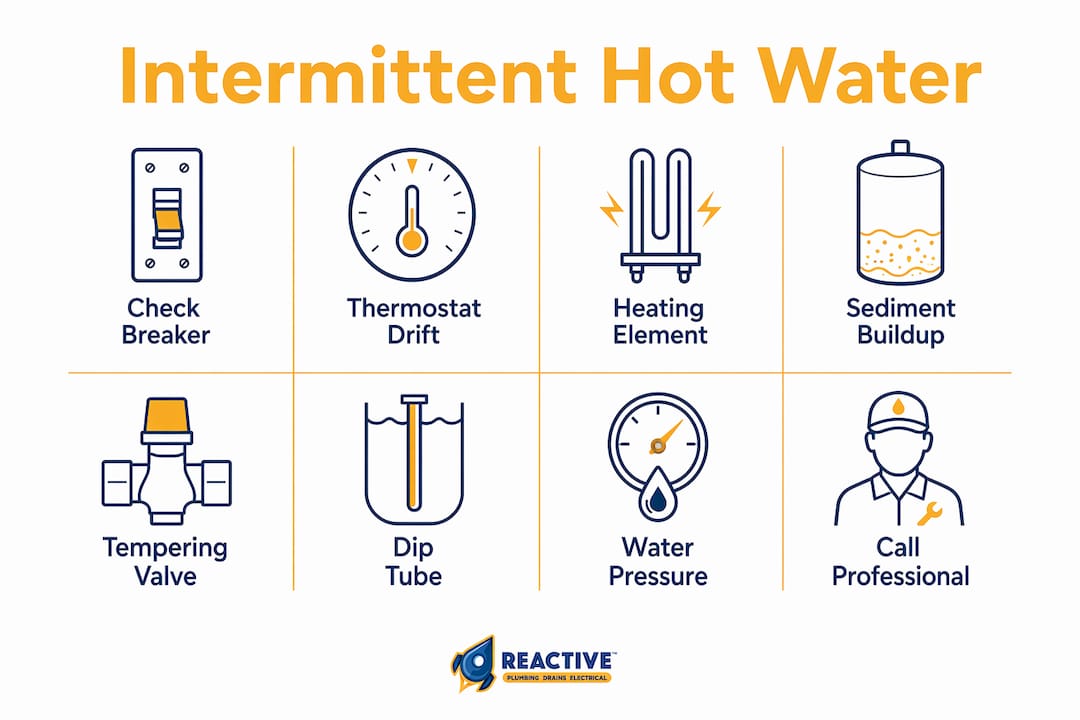
Intermittent hot water is almost always caused by one of five things: a faulty tempering valve, a drifting thermostat, a failing heating element, sediment buildup in the tank, or a broken dip tube. Water pressure fluctuations and system capacity limits round out the list. The good news is that the symptom pattern usually points directly to the culprit, which means you can often narrow it down before picking up the phone.
Here is what to check first:
- Tempering valve fault: Random bursts of scalding or cold water at bathroom taps, even when the tank is full and hot.
- Thermostat drift: Water temperature that varies from cycle to cycle with no change in your usage habits.
- Failed heating element: Hot water that starts strong then drops off quickly, or water that is warm but never fully hot.
- Sediment buildup: Rumbling or popping sounds from the tank, combined with uneven or reduced hot water.
- Broken dip tube: Unpredictable cold bursts during use, often mistaken for a thermostat or element fault.
- Pressure fluctuations: Temperature swings when someone turns on another tap or appliance elsewhere in the house.
- Continuous flow cycling: Temperature swings during use on a gas instantaneous system, particularly with low-flow tapware.
For electric systems, check the circuit breaker first and verify the thermostat is set to 60°C or higher. For gas continuous flow systems, check for error codes on the display panel. Anything involving the electrical components, gas burner, or internal valves needs a licensed plumber rather than a DIY fix.
What causes intermittent hot water? The main culprits explained
Thermostat drift
The thermostat tells the heating element or gas burner when to fire up and when to stop. Over time, thermostats lose accuracy with age, drifting from their set point in either direction. One that reads too low overheats the water; one that reads too high underperforms. The result is temperature that varies from cycle to cycle without any change in your usage. Only a licensed plumber should adjust or replace a hot water system thermostat.
Heating element failure
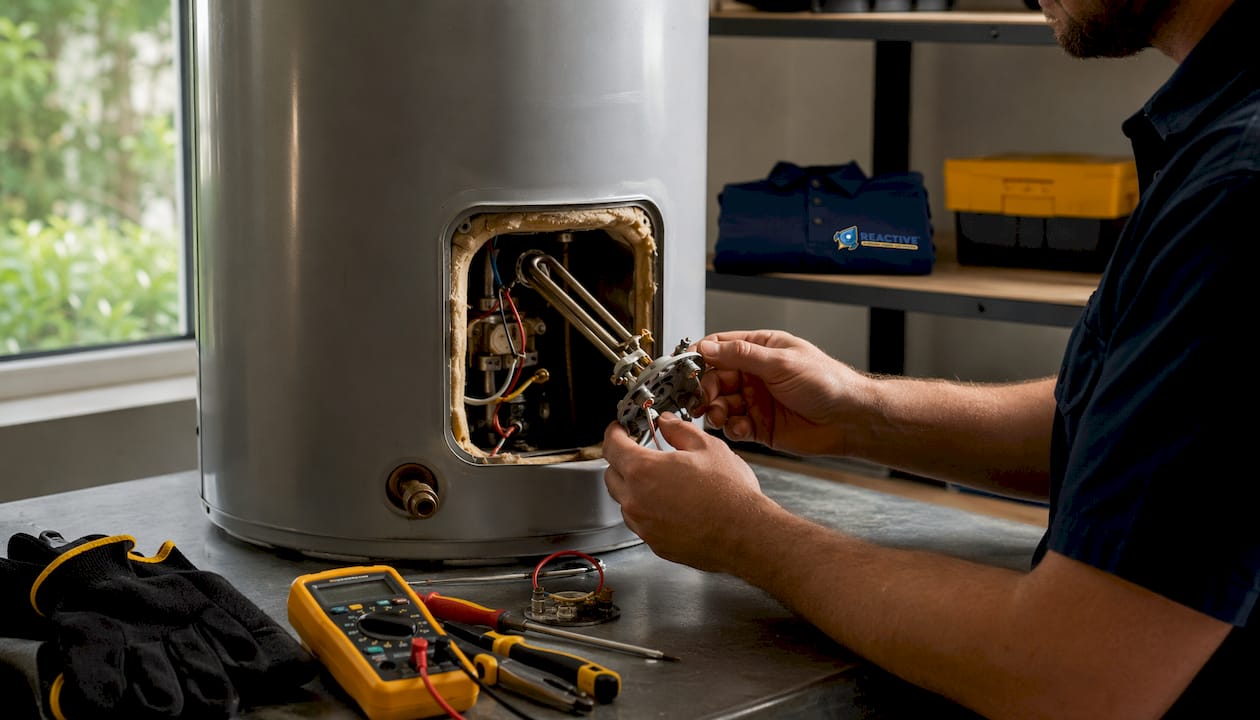
Electric storage hot water systems use one or two heating elements inside the tank. When one element fails, the system heats at reduced capacity and cannot maintain consistent temperature across the full tank volume. You might notice hot water that starts strong but drops off quickly, or water that is warm but never reaches full heat. This is one of the most common causes of inconsistent hot water in older Australian electric systems.
Sediment buildup
Minerals like calcium and magnesium settle at the bottom of storage tanks over time, insulating the water from the heating element and causing uneven heating. Sediment not only reduces heating efficiency but can cause component failure, including overheating elements and tempering valve damage. You will often hear rumbling or popping sounds from the tank as a warning sign. In Australian cities with hard water, this process accelerates, making annual tank flushing worthwhile to protect water quality and system life.
Tempering valve wear
The tempering valve blends stored hot water (held at 60°C or above) with cold water to deliver a safe 50°C at bathroom taps. When the thermostatic element inside the valve wears out or scale builds up around it, the blend ratio becomes unpredictable. You get bursts of very hot water followed by lukewarm or cold output. Licensed plumbers recommend testing and replacing the tempering valve every five years to prevent this.
Broken dip tube
The dip tube directs cold incoming water to the bottom of the tank for heating. When it cracks or breaks, cold water enters near the top and mixes with the heated supply, producing unpredictable cold bursts during use. Dip tube failure is frequently misdiagnosed as a thermostat or element issue because the symptoms look almost identical. A component inspection by a licensed plumber is the only reliable way to confirm it.
Water pressure fluctuations
Pressure fluctuations from simultaneous water use or older pipework cause hot water temperature instability. When someone turns on a tap or runs a sprinkler while you are in the shower, the pressure balance shifts and the temperature swings. Pressure-balancing valves can help in older homes where this is a recurring problem.
Continuous flow system cycling
Gas continuous flow systems heat water on demand using a gas burner, but each unit has a minimum flow rate required to activate the burner. If the flow at the tap drops below that threshold, the burner switches off. When flow increases again, it reignites. This on-off cycling produces noticeable temperature swings, and low-flow showerheads or simultaneous multiple taps can trigger it regularly.
How continuous flow and storage systems differ in their hot water issues
The type of system you have shapes the kind of inconsistent hot water supply you will experience. The causes and fixes are quite different between the two.
Continuous flow (instantaneous) systems:
- Heat water on demand with no stored reserve, so they technically never run out.
- Require a minimum flow rate to ignite the burner. Drop below it and the burner cycles off, causing temperature swings.
- Cannot exceed their maximum litres-per-minute output. A 20L/min unit handles one shower comfortably but struggles with two showers plus a dishwasher running simultaneously.
- Are sensitive to gas pressure fluctuations and inlet filter blockages.
- In older homes with long pipe runs, flow delays can create the perception of intermittent hot water even when the system is working correctly.
Storage systems:
- Hold pre-heated water in an insulated tank, ready for use.
- Are subject to recovery time after the tank is depleted. Electric storage recovery typically takes 3–4 hours; gas storage about 1 hour.
- Are vulnerable to sediment buildup, element failure, thermostat drift, and tempering valve wear.
- Off-peak electric systems only heat overnight, so heavy daytime use can exhaust the tank with no mid-day recovery.
| System type | Common intermittency cause | Recovery time |
|---|---|---|
| Electric storage | Element failure, sediment, thermostat drift | 3–4 hours |
| Gas storage | Sediment, burner issues, thermostat drift | About 1 hour |
| Gas continuous flow | Burner cycling, flow rate limits, gas pressure | Instant (on demand) |
| Heat pump storage | Slow recovery, cold weather efficiency drop | 4–8 hours |
Pro Tip: If your continuous flow system produces temperature swings, check the cold water inlet filter first. A clogged mesh screen restricts flow below the ignition threshold and causes exactly this symptom. Turn off the water supply, remove the filter, rinse it under a tap, and replace it.
Troubleshooting intermittent hot water: steps you can take safely
Work through these steps before calling a plumber. Many hot water problems resolve with a simple check.
Check the circuit breaker. Go to your main switchboard and look for any tripped breakers sitting in the middle or “off” position. Flip it fully off, then back on. For off-peak electric systems, also check the dedicated hot water circuit breaker on the controlled load meter.
Confirm the hot water system switch is on. Most systems have a dedicated wall switch nearby. It gets knocked off more often than you would expect, particularly in garages and utility rooms.
Check your tariff type. If you are on an off-peak electric tariff, your system only heats overnight. Heavy use during the day can exhaust the tank with no recovery until the following morning. If this is a recurring issue, the tank may be undersized for your household.
Verify the thermostat setting. Under AS/NZS 3500.4, storage tanks must hold water at a minimum of 60°C. The thermostat panel is usually behind a small cover on the front of the unit. If it has drifted below 60°C, water will feel lukewarm and seem to run out faster.
Reset the safety cutout (ECO reset). Electric systems have a high-temperature safety cutout. If the water overheated, this trips and cuts power to the element. Look for a small red reset button inside the thermostat panel and press it firmly until you hear a click. If it trips again within a day, call a plumber.
Listen for tank noises. Rumbling, popping, or banging from the tank points to sediment buildup. This is not an emergency, but it does need attention. A licensed plumber can flush the tank and assess whether the buildup has damaged any components.
Run taps individually to isolate the problem. Test the kitchen sink, bathroom basin, and shower separately. If the inconsistency only affects one fixture, the issue is likely a local mixer valve or the tempering valve serving that bathroom, not the hot water system itself.
Check for error codes on continuous flow systems. Rinnai and other continuous flow units display error codes on a small screen. Common codes include Error 11 (no ignition) and Error 12 (flame failure during operation). Check your model’s manual or the manufacturer’s website for the specific fix. For Rinnai-specific faults, our Rinnai troubleshooting guide covers the most common issues in detail.
Document your symptoms before calling. Note when the problem occurs, which taps are affected, whether it is worse under simultaneous demand, and how long the system has been in service. This information helps a plumber diagnose the fault faster.
Pro Tip: Never attempt to repair or replace heating elements, thermostats, or gas components yourself. Australian law requires a licensed electrician for electrical hot water repairs and a licensed plumber or gasfitter for gas work. DIY attempts on these components are illegal and can void your system warranty.
When should you call a professional plumber?
Some hot water problems are beyond what a homeowner can safely address. Call a licensed plumber if you notice any of the following.
- Persistent temperature fluctuations after working through the troubleshooting steps above. Ongoing inconsistency usually points to a failing internal component that needs professional testing and replacement.
- Sudden complete loss of hot water. If the supply dropped overnight rather than declining gradually, a component has failed. Faulty heating elements, broken dip tubes, and tripped thermostats all cause sudden loss of capacity.
- Continuous leaking from the pressure relief valve or the base of the tank. Small amounts of dripping from the pressure relief valve during heating can be normal, but continuous leaking indicates excessive pressure, tank corrosion, or a failing valve. A leaking tank base usually means the tank has reached end of life.
- Rumbling, banging, or popping sounds from inside the tank. These noises signal sediment buildup or overheating, and if left unaddressed, they can cause component failure and shorten the system’s life.
- Gas smell near the unit. Stop using the system immediately, ventilate the area, and call a licensed gasfitter. Do not attempt to diagnose a gas fault yourself.
- Discoloured or foul-smelling water. Rust-brown water or a sulphur smell indicates internal corrosion or bacterial growth inside the tank. This requires professional inspection.
- System age and repeated repairs. When a system is ageing and repairs are becoming frequent, replacement is usually the better investment. Our guide on signs to replace your hot water heater covers the key indicators in detail.
What Australian plumbing experts say about intermittent hot water in 2026
Australian plumbing professionals consistently point to a handful of root causes when diagnosing hot water temperature fluctuations in residential homes. Tempering valve faults, sediment accumulation, and thermostat drift account for the majority of callouts on storage systems. On continuous flow systems, flow rate issues and inlet filter blockages are the most frequently overlooked causes.
Under AS/NZS 3500.4, storage tanks must hold water at a minimum of 60°C to prevent bacterial growth, and tempering valves must be tested annually and replaced approximately every five years. These are legal requirements, not optional maintenance. Homeowners who skip tempering valve servicing often find themselves dealing with exactly the kind of unpredictable temperature swings that prompted their search in the first place.
Regional water quality also plays a role. Australian cities with harder water see accelerated sediment buildup inside storage tanks, which reduces effective tank capacity and insulates heating elements from the water they are meant to heat. Annual flushing is the standard recommendation for these areas, and it is one of the simplest ways to extend system life and maintain consistent output.
Reactive Plumbing & Electrical’s licensed team works across Sydney, Newcastle, Wollongong, Brisbane, Ipswich, and the Gold Coast, diagnosing and repairing hot water faults across all system types. For electric storage systems, our Rheem troubleshooting guide covers the most common element and thermostat faults in plain language.
When a system is ageing and faults are becoming more frequent, the honest advice is to consider replacement rather than repeated repairs. Modern continuous flow and heat pump systems deliver more consistent temperatures and lower running costs than older electric storage units. A licensed plumber can assess whether repair or replacement makes more sense for your household.
If your hot water is playing up and you need a licensed professional fast, Reactive Plumbing & Electrical offers 24/7 emergency hot water service across our service areas. We carry parts for the most common system types and can usually restore hot water on the same visit.
Key takeaways
Intermittent hot water almost always traces back to a specific component fault or system limitation that a licensed plumber can identify and fix.
| Point | Details |
|---|---|
| Five main causes | Tempering valve, thermostat drift, element failure, sediment buildup, and broken dip tube cover most cases. |
| System type changes the symptoms | Continuous flow systems cycle and drop temperature under demand; storage systems run out or heat unevenly. |
| Recovery times vary | Electric storage takes 3–4 hours to recover; gas storage about 1 hour; continuous flow heats on demand. |
| Tempering valve maintenance | AS/NZS 3500.4 requires annual testing and replacement approximately every five years by a licensed plumber. |
| Know when to stop troubleshooting | Gas smells, continuous leaks, discoloured water, and repeated faults all require a licensed professional. |
FAQ
Why am I getting intermittent hot water?
The most common causes are a faulty tempering valve, thermostat drift, a failing heating element, sediment buildup in the tank, or a broken dip tube. The symptom pattern, whether it is random bursts, a gradual decline, or swings under simultaneous demand, usually points to the specific fault.
Why is my hot water sometimes hot and sometimes not?
This typically indicates a tempering valve fault, a drifting thermostat, or continuous flow burner cycling. If the inconsistency worsens when multiple taps are running at the same time, a flow rate limitation on a continuous flow system is the likely cause.
Why is my hot water running out so quickly?
Running out quickly usually means an undersized tank, sediment reducing usable capacity, a failed heating element, or an off-peak tariff limiting when the system heats. A 250-litre electric storage system should deliver adequate continuous shower time at standard flow rates. If the system delivers less than five minutes, this points to a component fault.
Why would my hot water be inconsistent only at the shower?
If only the shower is affected while other taps run normally, the issue is likely the shower mixer cartridge or the tempering valve serving that bathroom, not the hot water system itself. A worn cartridge or stuck valve produces inconsistent temperature at one fixture while leaving the rest of the house unaffected.
Can I fix intermittent hot water myself?
Homeowners can safely check circuit breakers, verify thermostat settings, reset the ECO safety cutout, and clean the inlet filter on a continuous flow system. Anything involving heating elements, thermostats, gas burners, or internal valves requires a licensed electrician or plumber under Australian law.