Benefits of preventive drain maintenance for homeowners
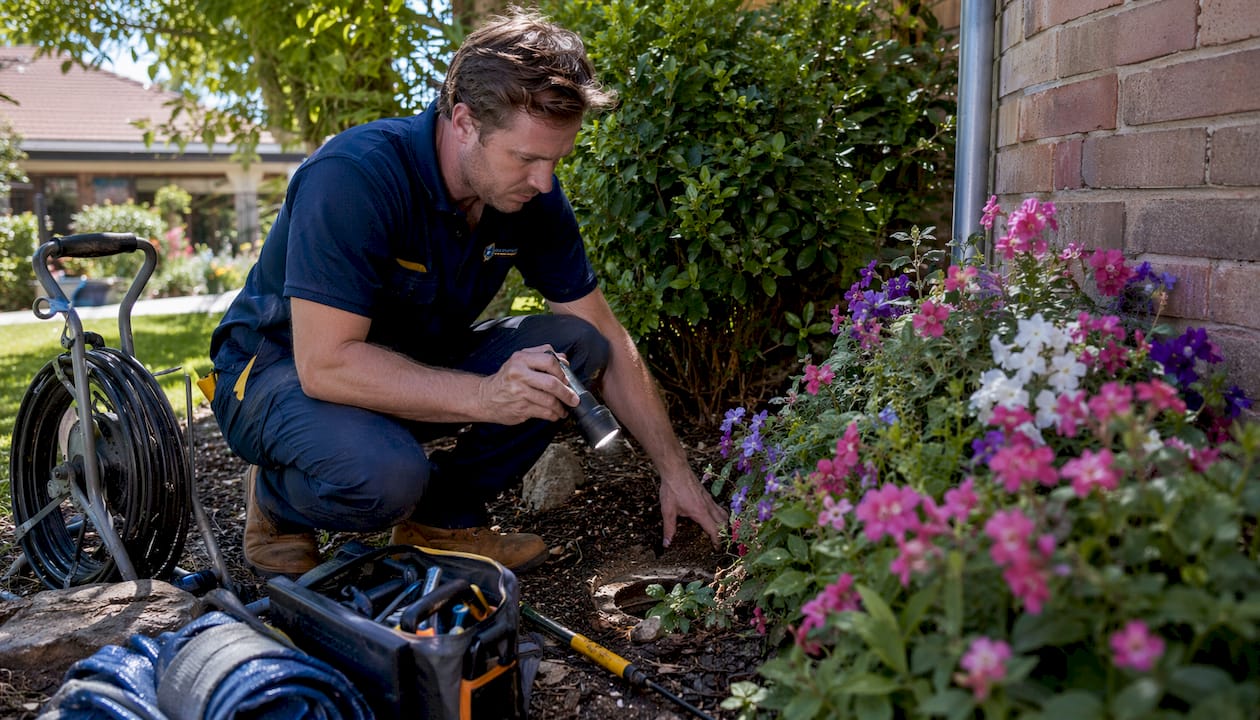
Preventive drain maintenance is the regular cleaning and inspection of your drainage system to stop blockages, cracks, and root intrusions before they become expensive emergencies. The industry term for this practice is planned preventive maintenance, and it applies to everything from kitchen sink drains to stormwater pipes. Scheduled maintenance visits cost significantly less than emergency callouts, and the gap is not small. Reactive Plumbing & Electrical sees this pattern constantly across Sydney, Brisbane, and the Gold Coast: homeowners who invest in routine drain care avoid the stress, mess, and expense that catches unprepared households off guard.
1. Significant cost savings over reactive repairs
The single strongest argument for preventive drain care is the price difference between a scheduled visit and an emergency callout. Preventive maintenance visits typically cost $150–$300, while emergency blockage clearing runs $500–$2,000. That means an emergency can cost three to four times more than a routine service. Multiply that across a few years and the savings from staying ahead of problems are substantial.
Emergency plumbing is reactive and costly by nature. A blocked drain that backs up into a bathroom or laundry can also cause water damage to floors, walls, and cabinetry, pushing total repair costs well beyond the plumbing bill alone. Water damage prevention starts with keeping drains clear and functional, not with responding after the damage has already occurred.
Pro Tip: Book a drain inspection every 12–18 months as a baseline. If your property has large trees nearby or older clay pipes, move to annual inspections to catch root intrusion early.
2. Extended lifespan of your drainage system
Drainage systems that receive regular attention last considerably longer than neglected ones. Regular CCTV inspections and hydro jetting can extend a drain system’s life by over 10 years by catching cracks, joint failures, and root intrusion before they cause structural collapse. That is a meaningful return on a modest annual investment.
Think of it like servicing a car. Skipping oil changes does not cause immediate failure, but the cumulative wear shortens the engine’s life. Drains work the same way. Grease, soap scum, and debris build up gradually, and without periodic clearing, that buildup accelerates pipe deterioration. Catching problems early means a plumber can reline or patch a small section rather than replace an entire run of pipe.
3. Reduced risk of water damage and health hazards
Blocked or damaged drains create conditions for water to back up into living spaces. That standing water carries bacteria, and in serious cases it introduces sewage into bathrooms or kitchens. The health implications are real, particularly for households with young children or elderly residents.
Mould follows water damage quickly, often within 24–48 hours of a leak or overflow. Remediation costs for mould in walls or subfloors can rival the original plumbing repair. Preventive drain care removes the conditions that lead to these outcomes before they start. A home plumbing maintenance checklist that includes drain inspection is one of the most practical tools a homeowner can use.
4. Improved plumbing efficiency and fewer slow drains
Slow drains are not just annoying. They signal partial blockages that will worsen over time. A kitchen sink that drains slowly in january will often be fully blocked by winter if left untreated. Regular cleaning removes the grease, food particles, and soap residue that cause this gradual slowdown.
Hydro jetting clears hardened grease and biofilm that home remedies like boiling water or chemical drain cleaners cannot reach. A professionally cleaned drain flows at full capacity, which also reduces the strain on your entire plumbing system. Better flow means less pressure on pipe joints and fittings, which contributes directly to the extended lifespan covered above.
5. Enhanced property value and insurability
A documented maintenance history adds tangible value to a property. Buyers and their building inspectors look for evidence that a home has been cared for, and plumbing records are part of that picture. Properties with no maintenance history carry an unknown risk that buyers price into their offers.
Documented maintenance improves insurability and evidences due diligence, which matters when making insurance claims related to water damage. Some insurers reduce premiums for properties with verified maintenance programmes. Viewing drain maintenance as a risk management obligation, not just a chore, changes how you budget for it and how it pays off.
6. How CCTV inspections and hydro jetting work together
Modern preventive drain care relies on two core techniques: CCTV pipe inspection and hydro jetting. Used together, they give you a complete picture of your drain’s condition and leave it clean.
- CCTV inspection: A small waterproof camera travels through the pipe on a flexible cable. The plumber watches live footage on a monitor and records the session. Camera inspections identify cracks, root intrusion, joint displacement, and debris without any digging. The footage becomes a baseline record you can compare at the next inspection.
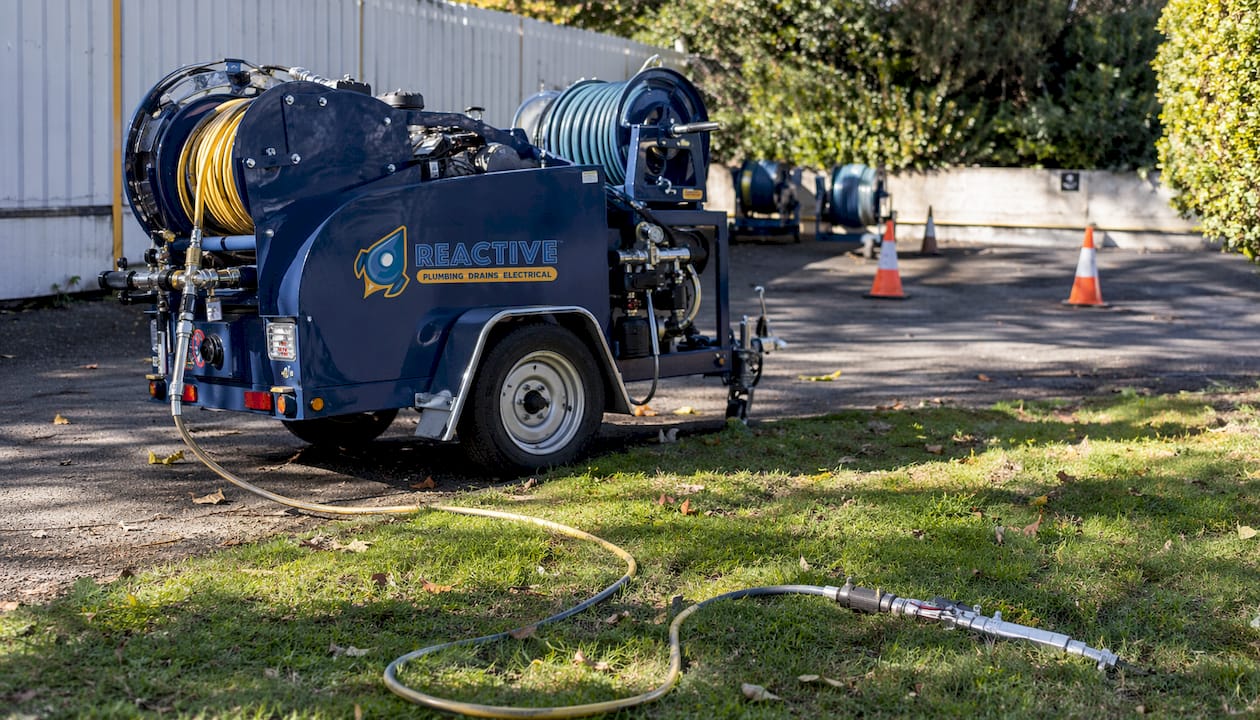
- Hydro jetting: High-pressure water is directed through a specialised nozzle to scour the inside of the pipe. Hydro jetting removes hardened grease, biofilm, and debris that chemical cleaners leave behind. It is safe for most pipe materials when performed by a licensed plumber.
- Combined workflow: A CCTV inspection before jetting confirms the pipe can handle the pressure. A second inspection after jetting verifies the pipe is clear and documents the result.
Pro Tip: Always request a copy of the CCTV footage after a maintenance session. That visual record lets you monitor pipe condition over time and plan for any future repairs or relining work well in advance.
7. Warning signs that you need maintenance now
Slow draining sinks, unpleasant smells, and multiple slow drains across a property are early indicators that your drainage system needs attention. Catching these signs early is far cheaper than waiting for a full blockage.
Watch for these specific signals:
- Slow draining in one or more fixtures: A single slow drain often points to a localised blockage. Multiple slow drains suggest a problem further down the main line.
- Gurgling sounds from drains or toilets: Air trapped by a partial blockage causes gurgling. It is a reliable early warning before a full backup occurs.
- Unpleasant odours from drains: Sewer smells inside the home indicate either a dry trap or organic buildup in the pipe. Both are addressable with routine cleaning.
- Frequent minor blockages: If you are clearing the same drain repeatedly, the underlying cause has not been resolved. A CCTV inspection will find it.
- Tree roots near older pipes: Clay and concrete pipes in homes built before the 1980s are particularly vulnerable to root intrusion. Annual inspections are the minimum for these properties.
8. Risk management and compliance for property managers
Property managers carry a duty of care to tenants, and drainage failures can trigger liability claims if neglect is demonstrated. Scheduled maintenance reduces the risk of tenant disruption and provides documented evidence that the property has been properly managed.
Commercial properties face higher risk from grease, oil, and trade waste, making scheduled maintenance a compliance requirement in many cases, not just a preference. For residential property managers overseeing multiple dwellings, a maintenance programme also creates predictable budgeting. Surprise repair costs are replaced by known, scheduled expenses.
Regularly scheduled maintenance plans create predictable budgeting for property owners and managers, helping avoid surprise repair costs. Treating drain maintenance as a line item rather than an emergency fund makes financial planning far more reliable.
Requesting CCTV reports after each maintenance session gives property managers a visual baseline for every pipe on the property. That record supports capital expenditure planning and demonstrates due diligence to insurers and, if needed, to a tribunal.
Key takeaways
Preventive drain maintenance saves money, extends pipe life, and protects property value by addressing problems before they become emergencies.
| Point | Details |
|---|---|
| Cost advantage is significant | Scheduled visits cost $150–$300 versus $500–$2,000 for emergency clearing. |
| Pipe lifespan increases measurably | Regular CCTV and hydro jetting can add over 10 years to a drain system’s life. |
| Early signs matter | Slow drains, gurgling, and odours are warnings to act before a full blockage develops. |
| Documentation protects owners | CCTV records and maintenance logs support insurance claims and liability defence. |
| Predictable costs beat surprises | Scheduled maintenance replaces unpredictable emergency bills with a known annual expense. |
Why I think most homeowners get this backwards
By Brent
After years of working with homeowners across Sydney and Brisbane, the pattern I see most often is this: people treat their drains as invisible infrastructure until something goes wrong. Then they are shocked by the cost and the disruption. The honest truth is that drains are one of the easiest systems in a home to maintain, yet they are almost always the last thing on anyone’s list.
The mistake I see most is waiting for a symptom before calling a plumber. A slow drain is not a minor inconvenience. It is a signal that something is building up inside the pipe, and that buildup does not stop on its own. I have seen properties where a simple annual inspection would have caught a root intrusion that eventually required a full pipe replacement. The cost difference was several thousand dollars.
What changed my thinking on this years ago was seeing the CCTV footage from a “healthy” drain that had never been inspected. The pipe looked fine from the outside and drained adequately. The footage showed significant root intrusion and a cracked joint that was weeks away from causing a sewage backup. The homeowner had no idea. That is the value of looking inside the pipe rather than guessing from the outside.
My advice is straightforward: schedule an inspection, get the footage, and keep the records. Treat it the same way you treat a smoke alarm check or a hot water system service. It is not glamorous, but it is one of the most cost-effective things you can do for your property. The homeowners who do this consistently are the ones who never end up calling us in a panic on a Saturday night.
— Brent
Pipe relining and drain care from Reactive Plumbing & Electrical
When preventive maintenance reveals a damaged pipe, the good news is that excavation is rarely necessary. Reactive Plumbing & Electrical specialises in pipe relining solutions that repair cracked or root-damaged pipes from the inside, with no digging required. This approach protects your garden, driveway, and floors while extending the life of your existing pipes by decades.
Our licensed team services Sydney, Newcastle, Wollongong, Brisbane, Ipswich, and the Gold Coast. Whether you need a routine drain inspection, a hydro jet clean, or a full trenchless pipe relining assessment, we can build a maintenance schedule that suits your property and your budget. Contact Reactive Plumbing & Electrical to book your next inspection and get a clear picture of what is happening inside your pipes.
FAQ
How often should I schedule preventive drain maintenance?
Most residential properties benefit from a drain inspection every 12–18 months. Properties with older clay pipes or large trees nearby should be inspected annually.
What does a preventive drain maintenance visit include?
A standard visit typically includes a CCTV inspection to assess pipe condition and a hydro jet clean to remove buildup. The plumber provides footage and a written report.
Can preventive maintenance really extend my pipe’s lifespan?
Yes. Regular professional maintenance including CCTV inspection and hydro jetting can extend a drainage system’s life by over 10 years by catching damage early.
Is preventive drain care worth it for rental properties?
Documented maintenance protects property managers from liability claims and supports insurance coverage. It also reduces tenant disruption from unexpected blockages.
What is the difference between hydro jetting and a standard drain clean?
A standard drain clean uses a mechanical snake or plunger to dislodge a blockage. Hydro jetting uses high-pressure water to scour the full pipe interior, removing hardened grease and biofilm that mechanical methods leave behind.